




















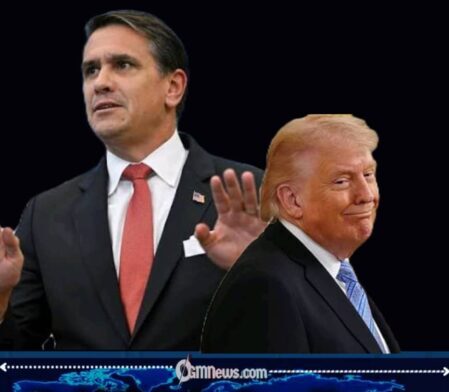
Tax Shield politics returned to the center of Washington’s attention after Acting Attorney General Todd Blanche confirmed that the Justice Department would abandon the controversial $1.8 billion “anti-weaponization” compensation fund while leaving intact a separate provision that protects Donald J. Trump, his family members, and related business entities from certain IRS audits and tax claims. The decision surprised many observers because the compensation fund had become politically toxic, leading some lawmakers to assume the entire settlement would be reconsidered. Instead, one of its most controversial components survived.
Tax Shield concerns intensified because the audit protections were always overshadowed by headlines surrounding the compensation fund. While the proposed fund generated fierce criticism and was ultimately abandoned, the audit provisions quietly remained in place. According to reports and testimony, Blanche confirmed that the Justice Department does not intend to withdraw the memorandum that bars certain tax investigations and audits connected to returns filed before the settlement agreement.
Audit Immunity Moves to Center Stage
The original controversy surrounding the settlement focused on the proposed compensation fund designed to address claims of political “weaponization” by the federal government. However, as lawmakers dug deeper into the agreement, attention increasingly shifted toward provisions affecting tax enforcement.
Within the broader Audit Immunity debate, critics argue that shielding a sitting president, family members, and affiliated businesses from future tax scrutiny raises serious questions about equal treatment under the law. Supporters counter that the settlement was intended to resolve longstanding disputes arising from the disclosure of Trump’s tax records and should be viewed through that lens.
The language at issue has drawn particular attention because reports describe it as broadly limiting the government’s ability to pursue claims that were raised or could have been raised before the agreement took effect. That wording has fueled concerns among legal experts and lawmakers about how expansive the protections may ultimately be.
A Settlement That Refuses to Disappear
The collapse of the $1.8 billion fund was expected to calm political tensions. Instead, it redirected scrutiny toward parts of the agreement that had received comparatively less public attention during the initial controversy.
Audit Immunity discussions now highlight broader questions regarding executive power, legal settlements involving government agencies, and whether special protections for political leaders undermine public confidence in tax enforcement. Several lawmakers have already signaled interest in continued oversight and potential legislative responses.
The unusual nature of the agreement has also attracted attention because Blanche previously served as Trump’s personal defense attorney before becoming Acting Attorney General, a fact repeatedly raised by critics during congressional hearings. Blanche has defended the settlement and denied any improper influence in the process.
As congressional scrutiny intensifies and legal experts continue reviewing the agreement, OGM News understands that the biggest political battle may no longer involve the abandoned compensation fund. Instead, the Tax Shield provisions that survived the backlash could become the defining controversy of the entire settlement, with significant implications for debates over accountability, precedent, and public trust.
[…] […]