













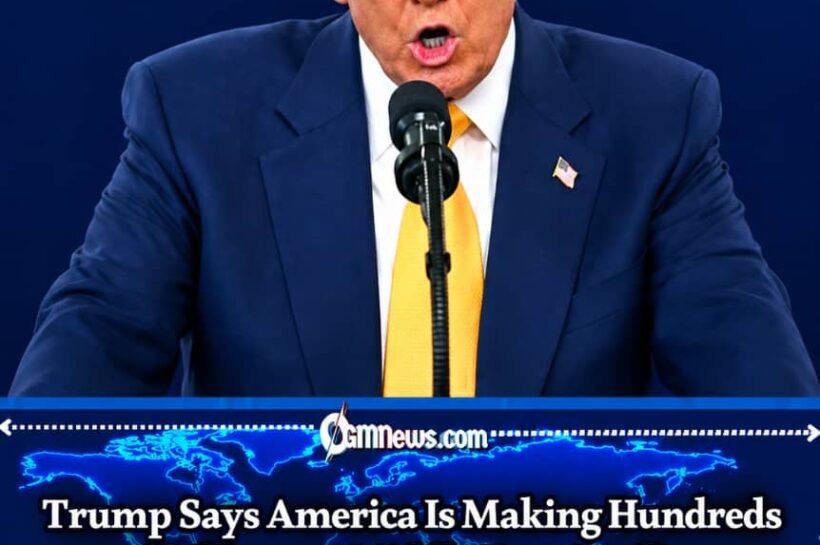


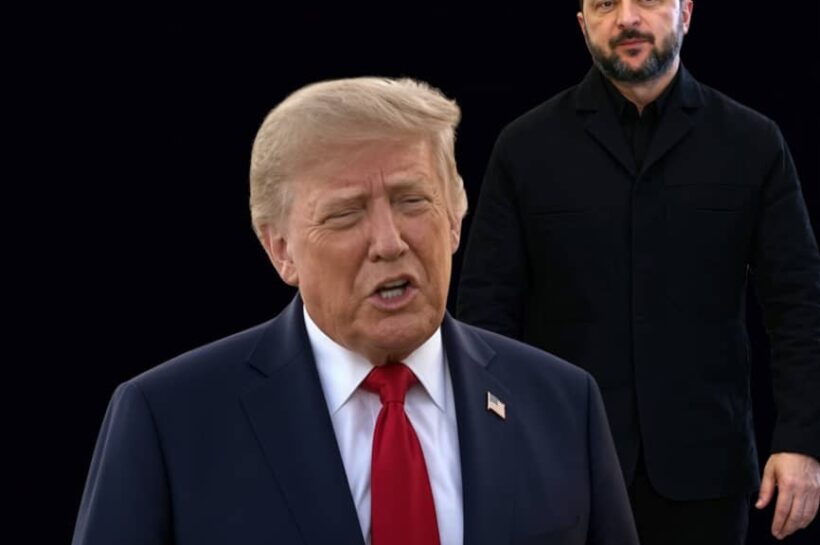




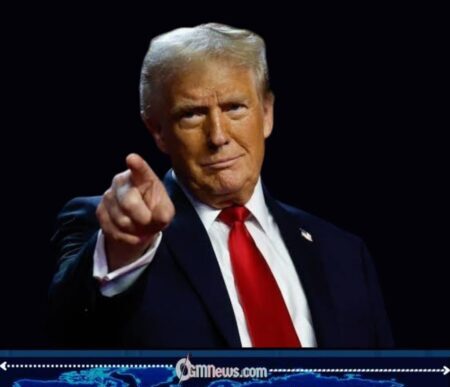
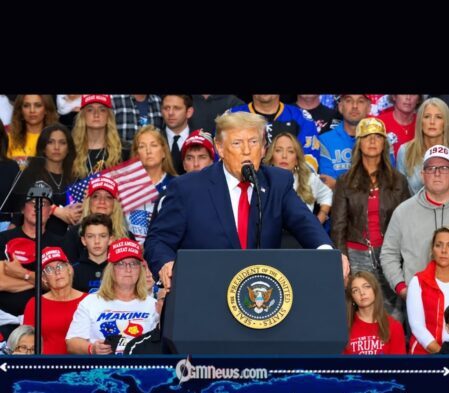
President Donald Trump, announced that the United States could leave Iran within two to three weeks, signaling what may be a rapid shift in military strategy. His remarks suggest that Washington believes its primary objectives in the conflict are close to being achieved.
The statement comes amid an ongoing conflict that has already stretched several weeks, with significant military activity across the region. The announcement has drawn attention globally, as observers assess whether such a timeline is realistic.
Reports indicate that the administration sees no need for a formal agreement with Iran before withdrawing, focusing instead on completing key military goals before exiting.
Background to the Conflict
President Donald Trump, previously justified U.S. involvement by citing threats from Iran, particularly regarding missile capabilities and regional aggression. These concerns formed the basis of the current military campaign.
The conflict has had widespread effects, including disruptions to global energy markets and heightened tensions across the Middle East. Several countries have been indirectly affected by the ongoing hostilities.
Despite the intensity of the situation, public opinion in the United States has increasingly favored a quicker end to the conflict, even if initial objectives are not fully realized.
Strategic Outlook Beyond the Battlefield
President Donald Trump, framed the potential withdrawal as a sign of success, suggesting that Iran’s capabilities have been significantly weakened. He emphasized that the U.S. would not remain longer than necessary.
Military experts note that such statements often serve both operational and political purposes, balancing domestic expectations with international messaging. The timeline itself may also act as leverage in ongoing strategic calculations.
Questions remain about how a rapid withdrawal would affect stability in the region, particularly given the involvement of multiple actors and ongoing hostilities.
President Donald Trump and Policy Direction
President Donald Trump, reiterated that ending U.S. involvement does not require diplomatic concessions from Iran, marking a notable departure from traditional conflict resolution approaches. His stance prioritizes unilateral decision-making.
This approach has sparked debate among policymakers, with some supporting a swift exit while others warn of potential long-term consequences. The absence of a negotiated settlement could leave unresolved tensions.
Still, the administration appears focused on concluding operations quickly, aligning with broader calls to reduce U.S. military engagement abroad.
Global Reactions and Concerns
President Donald Trump, has prompted varied responses from international leaders, many of whom are urging caution and emphasizing the importance of stability in the region. Allies and adversaries alike are closely monitoring developments.
Recent events, including continued strikes and regional instability, highlight the fragile nature of the situation. Incidents in Gulf states and beyond demonstrate that tensions remain high despite talk of withdrawal.
Economic markets have also reacted to the announcement, with some signs of optimism tied to the possibility of de-escalation and reduced conflict.
Looking Ahead
President Donald Trump, expressed confidence that the U.S. exit would mark the end of major hostilities, suggesting that the conflict “won’t last much longer.” His comments reinforce expectations of a near-term conclusion.
Analysts caution, however, that timelines in complex conflicts can shift quickly depending on developments on the ground. The coming weeks will be critical in determining whether the withdrawal proceeds as stated.
Ultimately, the situation remains fluid, with diplomatic, military, and economic factors all playing a role in shaping the final outcome.
FoSEnYRcnzkCFxcrkTIkEJxP