

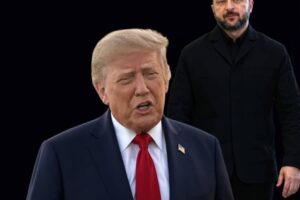




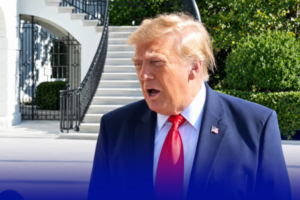
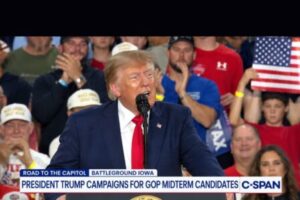

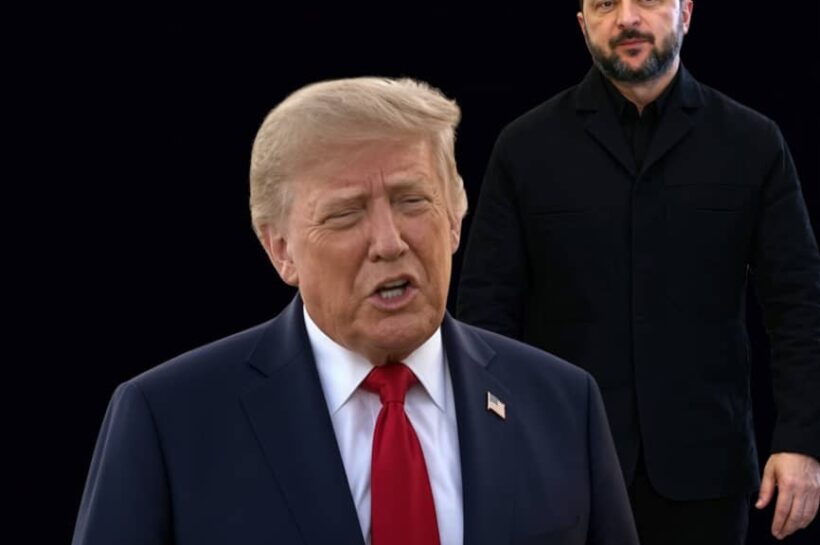




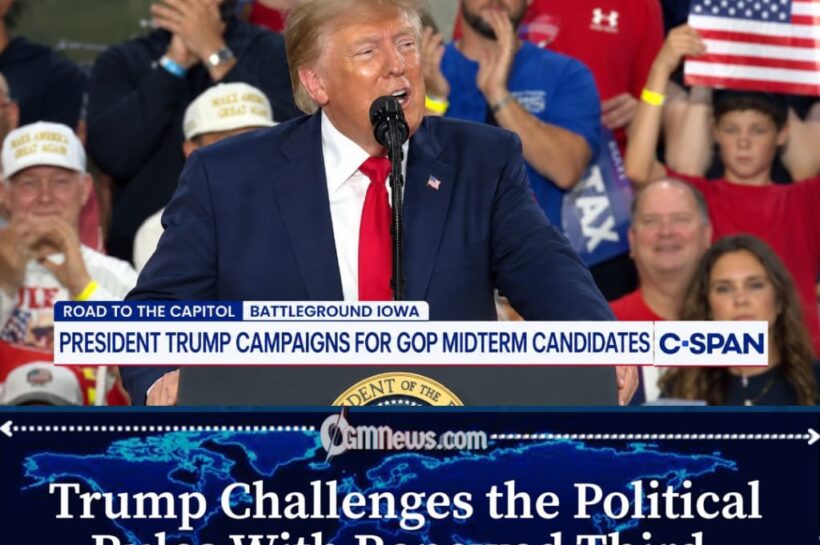











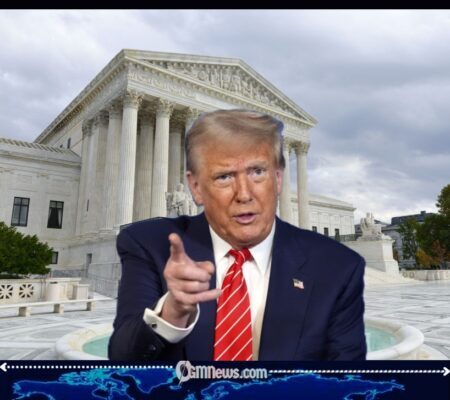
President Donald Trump is expected to attend oral arguments at the Supreme Court of the United States today, marking a potentially unprecedented moment in American legal and political history. The visit, if it proceeds as scheduled, would make him the first sitting U.S. president on record to personally observe proceedings at the nation’s highest court.
The planned appearance coincides with a high-stakes legal battle over the constitutionality of his executive order aimed at ending birthright citizenship for certain categories of individuals born on U.S. soil. The case represents a critical test of the Trump administration’s broader immigration agenda and could reshape long-standing interpretations of constitutional law.
A Rare Presidential Presence at the Supreme Court
According to the White House’s official schedule, President Trump is slated to attend the 10 a.m. oral arguments. While Presidents Trump have historically maintained a respectful distance from the judiciary to preserve institutional independence, this move signals an unusual level of direct engagement.
The President Trump had earlier hinted at the possibility during remarks to reporters, indicating his interest in witnessing the proceedings firsthand. In previous instances, he had considered attending major court hearings but ultimately refrained, citing concerns about drawing attention away from the legal process.
If he follows through, the visit would underscore the significance his administration places on the outcome of the case and may set a new precedent for presidential involvement in judicial affairs.
The President Trump Executive Order at the Center of the Case
At the heart of the legal dispute is an executive order signed by President Trump shortly after beginning his second term in office. The order seeks to deny automatic U.S. citizenship to children born in the country to undocumented immigrants or individuals on temporary visas.
The policy has faced immediate and widespread legal challenges, preventing it from taking effect. Opponents argue that it directly contradicts the Citizenship Clause of the 14th Amendment, which has long been interpreted to grant citizenship to nearly all individuals born on U.S. soil, regardless of parental status.
Supporters within the Trump administration, however, contend that the amendment has been historically misinterpreted and was originally intended to address the status of formerly enslaved people and their descendants—not to extend citizenship universally.
Constitutional Debate Over the 14th Amendment
The case places renewed focus on the meaning and scope of the 14th Amendment’s Citizenship Clause, one of the most significant provisions in American constitutional law. Legal scholars and advocates on both sides have presented sharply differing interpretations.
Critics of the executive order maintain that over a century of legal precedent supports a broad understanding of birthright citizenship. They warn that altering this interpretation could have far-reaching implications for civil rights and national identity.
Meanwhile, Trump administration officials argue that the phrase “subject to the jurisdiction thereof” has been applied too broadly. They assert that a narrower reading would allow for exceptions, particularly in cases involving temporary or undocumented residents.
From Procedural Disputes to Substantive Review
The Supreme Court had previously considered aspects of the policy in earlier litigation, but those proceedings focused primarily on procedural questions—specifically, whether lower court injunctions blocking the policy were overly expansive.
The current case marks the first time the Court will directly address the constitutionality of the executive order itself. This shift elevates the stakes considerably, as the justices will now weigh in on the fundamental legal arguments underpinning the policy.
A decision is expected by July, and it is likely to have lasting consequences for immigration law and constitutional interpretation in the United States.
Court Composition and Recent Tensions
The Supreme Court currently holds a 6–3 conservative majority, with one-third of the justices appointed by President Trump during his time in office. Despite this ideological alignment, the Court has not consistently ruled in favor of the administration.
Recent decisions, including the striking down of key tariff policies, have drawn criticism from the President Trump. He has publicly expressed frustration with certain rulings, even questioning the judgment of some conservative-leaning justices.
These tensions add an additional layer of uncertainty to the upcoming decision, as the Court has demonstrated its willingness to rule independently of executive expectations.
Political and Legal Implications of the Case
The outcome of this case could significantly influence the direction of U.S. immigration policy and redefine the boundaries of executive authority. It also has the potential to shape public discourse ahead of future elections.
For the Trump administration, the case represents both a legal challenge and a political priority. A favorable ruling would mark a major victory, while an adverse decision could prompt further debate over constitutional reform and judicial interpretation.
Beyond its immediate implications, the case highlights the enduring tension between different branches of government and the evolving nature of constitutional law in a changing political landscape.
Mexican players will love how well this platform handles local payment methods. Deposits via OXXO...