



























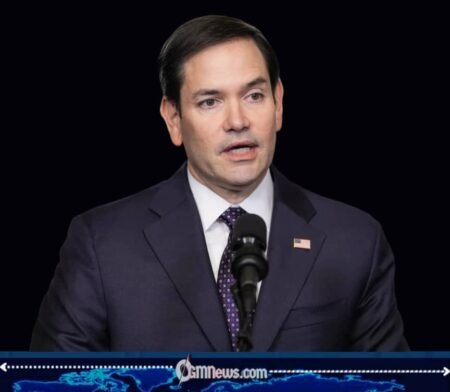
U.S. Secretary of State Marco Rubio has defended the administration’s approach to the conflict with Iran, stating that Tehran repeatedly refused meaningful negotiations despite multiple opportunities. His remarks come amid ongoing debate over whether diplomatic avenues were sufficiently pursued before tensions escalated.
According to Rubio, the United States engaged in several attempts to reach a negotiated outcome, but Iranian leaders either rejected proposals outright or delayed discussions without committing to concrete agreements. The comments reflect the administration’s position that responsibility for the breakdown in diplomacy lies largely with Tehran.
The statement has intensified scrutiny of the diplomatic efforts that preceded the conflict, with analysts and international observers offering differing interpretations of events.
Rubio’s Case: “Every Opportunity Was Given”
Speaking in recent interviews, Marco Rubio emphasized that the U.S. had made repeated efforts to engage Iran diplomatically. He argued that “every opportunity” for negotiation was presented, framing the current situation as a consequence of Iran’s unwillingness to reach a compromise.
Rubio’s remarks align with the broader messaging from the administration of Donald Trump, which has consistently maintained that diplomatic channels were pursued before resorting to more forceful measures. Officials have pointed to multiple rounds of discussions both direct and indirect as evidence of sustained engagement.
This narrative is intended to reinforce the legitimacy of U.S. actions while countering criticism that the conflict could have been avoided through extended diplomacy.
Evidence of Talks: Indirect Channels and Mediation
Despite Rubio’s assertions, reporting from major outlets indicates that communication between Washington and Tehran did occur, though often indirectly. Intermediaries, including regional actors, facilitated exchanges of proposals and messages between the two sides.
These discussions, however, were marked by significant limitations. Iranian officials have acknowledged the existence of such exchanges but have denied that formal, structured negotiations took place. The distinction has become central to differing interpretations of whether genuine diplomatic engagement occurred.
Experts note that indirect diplomacy, while common in sensitive geopolitical conflicts, can complicate progress due to delays, miscommunication, and a lack of direct accountability.
Key Points of Disagreement in Negotiations
At the heart of the stalled diplomacy were fundamental disagreements over critical issues. The United States pushed for expanded limitations on Iran’s nuclear and missile programs, while Iran insisted on maintaining its strategic capabilities and sovereignty.
Additional points of contention included sanctions relief, regional influence, and the status of key trade routes. These differences created a wide gap between the positions of both sides, making compromise difficult.
Analysts suggest that these structural disagreements, rather than a simple refusal to negotiate, may explain why talks failed to produce a breakthrough.
Ongoing Communication Amid Conflict
Even as tensions escalated, communication between the two sides did not cease entirely. Reports indicate that indirect channels have remained open, allowing for limited dialogue on de-escalation and potential pathways to peace.
Marco Rubio has acknowledged the existence of these channels, though he has downplayed their effectiveness. The continued exchanges suggest that both sides recognize the importance of maintaining at least minimal diplomatic contact.
This ongoing communication leaves open the possibility of future negotiations, even as military and political pressures persist.
Diverging Narratives and Global Implications
The contrasting accounts from Washington and Tehran have contributed to a broader debate over responsibility for the conflict. While Marco Rubio and other U.S. officials argue that Iran failed to engage constructively, critics point to rigid demands on both sides as a major obstacle.
International observers remain divided, with some supporting the U.S. position and others calling for renewed diplomatic efforts. The situation underscores the complexity of modern conflict resolution, where competing narratives and strategic interests often intersect.
As the administration of Donald Trump continues to navigate the crisis, the role of diplomacy both past and future will remain a central issue in shaping outcomes.
Casinoabc999? Good Site. The interface is sleek, and there is a lot of stuff to...