




























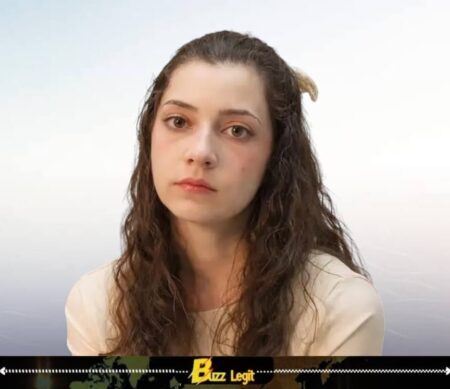
Noelia Castillo Ramos died by euthanasia this week at the age of 25, bringing global attention to a deeply emotional and controversial case that has reignited debates around assisted dying. Noelia Castillo Ramos’s decision followed a prolonged period of suffering, during which she publicly shared her story and her reasons for seeking the procedure.
The case quickly gained widespread coverage, with many people expressing both support and concern over the circumstances surrounding her death. Advocates for euthanasia rights emphasized the importance of personal autonomy and dignity, while critics questioned the ethical and legal frameworks that made the procedure possible.
Her story has become a focal point in ongoing discussions about end-of-life care, particularly for young individuals facing severe medical conditions. It has also prompted renewed scrutiny of how such decisions are evaluated and approved.
Medical and Legal Context of the Case
Noelia Castillo Ramos’s situation unfolded within a legal system that permits euthanasia under specific and strictly regulated conditions. Noelia Castillo Ramos underwent a thorough evaluation process involving medical professionals, psychological assessments, and legal oversight before approval was granted.
Such frameworks are designed to ensure that patients meet clearly defined criteria, including enduring suffering and making voluntary, well-informed decisions. Despite these safeguards, cases like this often spark debate about whether the criteria are applied consistently and appropriately.
Medical experts have pointed out that each case is unique, requiring careful consideration of both physical and psychological factors. The complexity of these evaluations underscores the challenges inherent in balancing compassion with ethical responsibility.
Noelia Castillo Ramos and Public Reaction
Noelia Castillo Ramos’s story has generated a strong and often divided public response. Noelia Castillo Ramos became a symbol for different perspectives, with some viewing her as a courageous advocate for personal choice, while others see her case as a troubling precedent.
Social media platforms have played a significant role in amplifying her story, allowing individuals from around the world to engage with the issue. This widespread attention has intensified the emotional and moral dimensions of the debate.
Public reactions have also varied across cultural and regional lines, reflecting differing attitudes toward euthanasia and end-of-life decisions. These differences highlight the broader societal context in which such cases are understood.
Ethical Questions and Ongoing Debate
Noelia Castillo Ramos’s case raises profound ethical questions about autonomy, suffering, and the role of medical professionals in end-of-life decisions. Noelia Castillo Ramos’s choice has prompted many to reflect on the boundaries between compassion and ethical caution.
Some ethicists argue that allowing individuals to choose the timing and manner of their death respects their dignity and personal agency. Others caution that such practices could lead to unintended consequences, particularly for vulnerable populations.
The debate often centers on how to ensure that decisions are made freely and without external pressure. It also considers the broader implications for healthcare systems and societal values.
Personal Story and Broader Impact
Noelia Castillo Ramos’s journey has resonated with many people, particularly those who have experienced similar medical challenges. Noelia Castillo Ramos shared aspects of her life and struggles, helping to humanize an issue that is often discussed in abstract terms.
Her story has encouraged conversations about the quality of life, pain management, and the support available to patients facing severe conditions. It has also highlighted the importance of listening to patient voices in medical decision-making.
At the same time, her case has prompted calls for further research and dialogue on how best to address the needs of individuals in similar situations. These discussions are likely to continue as society grapples with the complexities of euthanasia.
Looking Ahead After the Case
Noelia Castillo Ramos’s death is likely to have lasting implications for both policy and public discourse. Noelia Castillo Ramos’s case may influence how laws are interpreted and applied in future situations involving assisted dying.
Policymakers and healthcare professionals may revisit existing guidelines to address concerns raised by this case. This could include refining criteria, enhancing oversight, or improving support systems for patients.
As the conversation evolves, her story will remain a reference point in debates about autonomy, ethics, and the role of medicine in end-of-life care.

[…] […]