












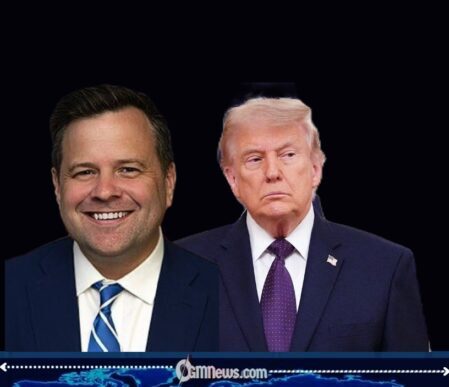
Pulte has become the center of a growing political storm after President Donald Trump suggested that the acting intelligence chief could help uncover information about alleged “rigged elections,” reigniting one of the most contentious debates in American politics. The remarks have transformed what was already a controversial appointment into a broader battle over qualifications, loyalty, and the role of intelligence agencies in a deeply polarized nation. As lawmakers from both parties react, Washington is once again confronting questions about where politics ends and national security begins.
Pulte’s Short-Term Intelligence Appointment Sparks Debate in Washington
Pulte, who currently leads the Federal Housing Finance Agency, was appointed by Trump to serve as acting Director of National Intelligence following the departure of Tulsi Gabbard. The appointment immediately drew attention because Pulte’s professional background is rooted in housing finance rather than intelligence or national security. Trump nevertheless praised him as a highly capable and trustworthy figure, emphasizing that the assignment would be temporary rather than permanent.
The controversy intensified when Trump suggested that Pulte might uncover information about alleged election irregularities while in office. Critics argued that intelligence agencies are not intended to serve as instruments for investigating political grievances. Senate Republican leader John Thune and Republican senator Mitch McConnell were among those expressing concerns about qualifications and professionalism, while Democratic lawmakers warned that the appointment could undermine confidence in the intelligence community.
Critics Warn Pulte Appointment Could Blur Politics and Intelligence
The Pulte controversy extends beyond questions of experience. Over the past year, he attracted national attention for referring several prominent political figures for alleged mortgage fraud investigations. Those referrals were widely criticized by opponents as politically motivated, further fueling concerns among lawmakers who fear intelligence authorities could become entangled in partisan disputes.
Additional reporting indicates that bipartisan resistance became so significant that Trump publicly stated Pulte would not be his permanent nominee for the intelligence position. The debate has also intersected with broader disputes in Congress over surveillance authorities and intelligence oversight, increasing the political stakes surrounding the appointment. While supporters argue that outsiders can challenge entrenched bureaucracies, critics insist that leadership of the intelligence community requires extensive national security expertise, particularly during a period of global instability involving multiple international security challenges.
For now, Pulte remains a temporary figure at the center of a national debate. Whether his brief tenure produces significant policy changes or simply becomes another chapter in Washington’s long history of political controversy remains uncertain. What is clear is that Trump’s remarks about rigged elections have ensured that this appointment will be examined not only as a personnel decision, but also as a test of how intelligence, politics, and public trust intersect in modern America. OGM News will continue monitoring developments as lawmakers, intelligence officials, and the White House navigate the fallout from one of the year’s most closely watched appointments.
FoSEnYRcnzkCFxcrkTIkEJxP