



























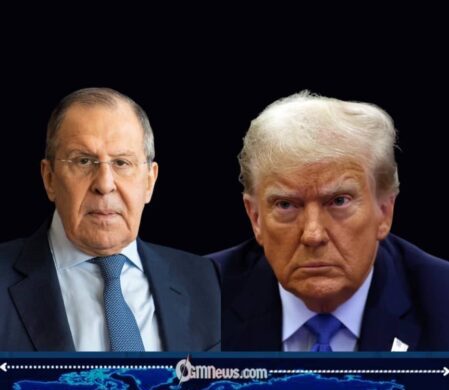
Iran War has become the centerpiece of a new diplomatic dispute after Russian Foreign Minister Sergey Lavrov declared that the United States lacks a clear strategy for ending the ongoing conflict. His remarks have amplified international debate over whether military pressure alone can achieve Washington’s objectives or whether negotiations are becoming an unavoidable necessity. As tensions continue to ripple across the Middle East, Lavrov’s criticism raises a question that many governments are quietly asking: what does victory actually look like, and how does the conflict end?
The statement arrives at a delicate moment for regional stability. Despite intermittent diplomatic efforts, ceasefire arrangements remain fragile, hostilities continue to flare, and competing narratives from global powers are shaping international perceptions of the crisis. For supporters of negotiations, Lavrov’s comments reflect concerns that military campaigns can be easier to begin than to conclude.
Lavrov Says U.S. Lacks Clear Exit Plan in Iran War
Lavrov argued that Washington underestimated Iran’s resilience and entered the Iran War without a comprehensive exit strategy. According to the Russian foreign minister, Tehran has demonstrated cohesion and a willingness to endure prolonged pressure, factors that he believes were not fully considered by American decision-makers. Moscow has repeatedly urged all parties to pursue negotiations rather than rely exclusively on military measures. Russia has also maintained that the crisis requires a political and diplomatic settlement rather than continued escalation.
The Russian position has remained relatively consistent throughout the conflict. Moscow has publicly supported diplomatic channels, expressed readiness to assist settlement efforts, and argued that the crisis lacks a purely military solution. Russian officials have frequently called for dialogue that takes into account the interests of all parties involved, portraying diplomacy as the most realistic route toward long-term stability.
Lavrov Calls for Negotiations Over Further Escalation
The broader context surrounding the Iran War helps explain why Lavrov’s remarks are attracting international attention. Recent reports indicate that ceasefire efforts have faced repeated setbacks, while disagreements over sanctions, security guarantees, regional influence, and military deployments continue to complicate negotiations. Analysts note that both Washington and Tehran have at times projected confidence in their respective positions, even as the economic and strategic costs of the conflict continue to mount.
Meanwhile, regional instability remains a major concern. Developments involving Lebanon, Gulf security, energy markets, and maritime routes have demonstrated how the conflict extends far beyond the immediate battlefield. Diplomatic initiatives have struggled against deep mistrust, domestic political pressures, and competing demands from various regional actors. These challenges have fueled growing calls from multiple governments for renewed negotiations and a more sustainable framework for de-escalation.
The Iran War continues to evolve, and Lavrov’s criticism underscores a broader international debate about the limits of military power and the importance of diplomacy. Whether one agrees with Moscow’s assessment or not, the central issue remains unchanged: a conflict without a credible endgame risks becoming a conflict without an end. OGM News will continue monitoring developments, diplomatic initiatives, and the reactions of key global actors as the situation unfolds.


[…] […]