



























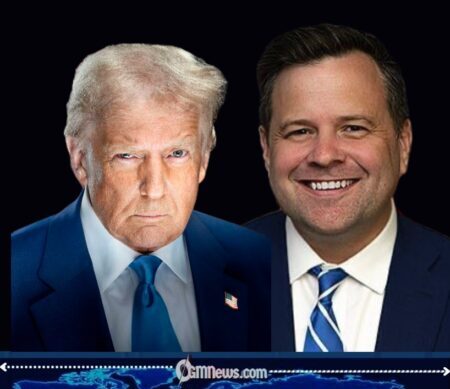
Pulte has been handed one of the most politically sensitive assignments in Washington after President Donald J. Trump publicly said he wants the acting intelligence chief to begin the process of reducing the size of the ODNI, an office the president described as too large and potentially unnecessary. The remarks have fueled fresh debate about the future of America’s intelligence bureaucracy, raising questions about whether the administration is pursuing efficiency, political reform, or a much broader restructuring of federal power.
Pulte Asked to Start Workforce Review at ODNI
The controversy began after President Trump said he wanted Bill Pulte, recently appointed acting director of national intelligence, to start reducing personnel within the ODNI. The office was created after the September 11 attacks to improve coordination among the nation’s intelligence agencies and currently serves as an umbrella organization overseeing intelligence collaboration across eighteen agencies and departments. According to the president, the organization has grown larger than necessary and should be significantly reduced, with termination remaining a possibility under future reviews.
Pulte’s appointment has attracted unusual attention because he is simultaneously leading the Federal Housing Finance Agency and lacks a traditional national security background. President Trump defended the choice by emphasizing Pulte’s management experience and describing his temporary status as an advantage that allows him greater flexibility to implement changes quickly. The administration has also pointed to previous workforce reductions and budget savings within the ODNI as evidence that further restructuring could be achieved.
Pulte’s New Role Sparks Fresh Clash Over National Security Leadership
The broader political reaction to the Pulte appointment has been swift. Several lawmakers have expressed concern about placing an acting official with limited intelligence experience at the top of the nation’s intelligence coordination structure. The controversy has become intertwined with debates surrounding the renewal of key surveillance authorities, with opposition from some lawmakers contributing to delays in extending a major intelligence-gathering program.
Beyond the immediate staffing debate, the dispute reflects a longer-running argument about the role of the ODNI itself. Supporters of downsizing argue that the office adds layers of bureaucracy and duplicates functions already performed elsewhere in government. Critics counter that the organization was specifically created to improve information-sharing and reduce intelligence failures. The disagreement has therefore evolved into a larger conversation about how intelligence agencies should be managed, how much authority acting officials should wield, and whether structural reforms can be pursued without disrupting national security operations.
As the White House continues searching for a permanent intelligence chief, the future of Pulte and the ODNI remains uncertain. What is clear is that a temporary appointment has triggered a lasting debate over the size, purpose, and direction of America’s intelligence establishment. OGM News will continue monitoring developments as decisions made in the coming weeks could reshape the intelligence landscape for years to come.



[…] […]