




























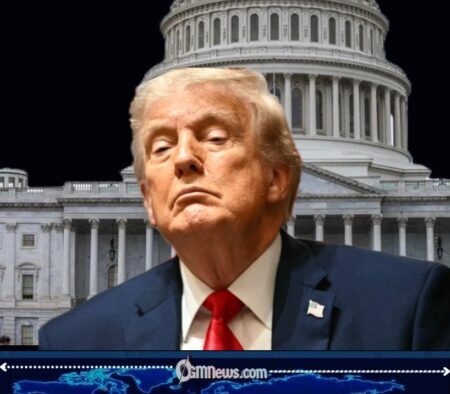
ICE Funding became the defining issue of a dramatic overnight Senate session that ended with a major victory for President Donald Trump, but the celebration was accompanied by renewed controversy over a separate Anti-Weaponization Fund that lawmakers declined to permanently prohibit. While supporters hailed the legislation as a critical investment in immigration enforcement, critics argued that unresolved concerns surrounding the disputed fund could continue to cast a shadow over the bill long after the vote itself. The clash has created a political storyline in which the measure’s success may be remembered as much for what lawmakers approved as for what they chose not to address.
Senate Hands Trump Major ICE Funding Victory as Fund Dispute Refuses to Disappear
The Senate approved the legislation by a 52-47 vote after an extended debate and overnight amendment process. The package would provide roughly $70 billion in additional funding for Immigration and Customs Enforcement and Border Patrol operations over the next three years, advancing one of the administration’s central policy priorities. Republican leaders argued that the resources are necessary to strengthen enforcement capabilities and sustain ongoing immigration initiatives. One Republican senator, Lisa Murkowski of Alaska, joined Democrats in opposing the measure.
Supporters described the legislation as a practical response to operational demands at the border and within immigration enforcement agencies. Critics, however, questioned the need for such a large funding increase, noting that substantial Department of Homeland Security resources from previous legislation remain available. The debate highlighted broader disagreements over immigration policy, federal spending priorities and congressional oversight. The bill now moves to the House of Representatives, where lawmakers are expected to take it up in the coming days.
Senate Rejects Restrictions on Fund Opponents Call a Potential Slush Account
The most politically charged discussions involved the Anti-Weaponization Fund, a proposal that has generated bipartisan concern despite assurances from administration officials that it may never be implemented. Democrats argued that a future administration could still attempt to use the fund to compensate political allies who claim they were unfairly targeted by government actions. Several senators insisted that verbal commitments from officials were not an adequate substitute for statutory restrictions.
Attempts to permanently block or redirect the fund repeatedly failed during the amendment process. The dispute revealed unusual divisions within Republican ranks, with some lawmakers expressing discomfort over the political implications of leaving the issue unresolved. Even so, party leaders ultimately prioritized passage of the broader immigration package, warning that additional changes could jeopardize the bill’s prospects. The result was a legislative compromise that secured ICE Funding while leaving lingering questions about accountability and future use of the disputed fund.
As the House prepares to consider the measure, the debate over ICE Funding and the Anti-Weaponization Fund appears far from settled. Supporters will likely continue emphasizing border security and enforcement needs, while opponents are expected to keep pressing for greater safeguards and transparency. OGM News will continue monitoring whether lawmakers revisit the controversy or whether the unresolved dispute becomes another enduring feature of Washington’s political landscape.

Ae888covenuscasino, okay, I'm curious. Gonna check out this site and try to find some amazing...