

















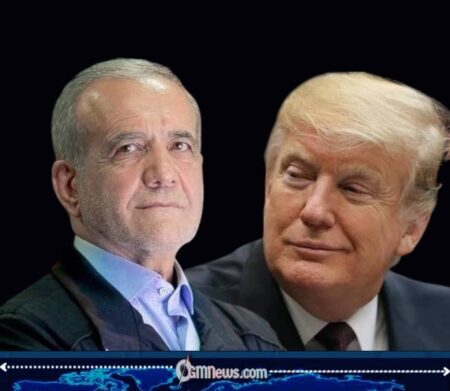
Iranian President Masoud Pezeshkian has declared that Iran is prepared to bring its conflict with the United States to an end, provided that firm guarantees are established to prevent future attacks. Speaking amid escalating regional tensions, Masoud Pezeshkian emphasized that Iran’s willingness to pursue peace is conditional on long-term security assurances.
The remarks by Masoud Pezeshkian mark a notable shift in tone, suggesting an openness to de-escalation while maintaining a firm stance on national security. Observers note that Masoud Pezeshkian is attempting to balance diplomatic outreach with domestic expectations, ensuring that any move toward peace does not compromise Iran’s strategic position.
Masoud Pezeshkian Outlines Conditions for Lasting Peace
In outlining Iran’s position, Masoud Pezeshkian made clear that a simple ceasefire would not be sufficient. Instead, he stressed the need for enforceable guarantees that would prevent future military actions by the United States or its allies.
According to analysts, Masoud Pezeshkian’s insistence on guarantees reflects deep-rooted mistrust shaped by years of geopolitical confrontation. By setting these conditions, Masoud Pezeshkian is signaling that Iran seeks a comprehensive and durable resolution rather than a temporary pause in hostilities.
Security Guarantees at the Core of Negotiations
The demand for security assurances remains central to Iran’s negotiating position. Iranian officials argue that without credible guarantees, any agreement would risk collapsing under renewed tensions.
Experts suggest that implementing such guarantees would require international oversight, potentially involving global institutions or third-party mediators. However, achieving consensus on enforcement mechanisms remains a significant challenge, particularly given the history of strained relations between Iran and the United States.
Broader Demands: Sovereignty and Compensation
Beyond security concerns, Iran has also highlighted the importance of recognizing its sovereignty and legitimate rights. These include issues related to economic independence and national development, which Iranian leaders view as essential components of any agreement.
There have also been discussions about compensation for damages incurred during the conflict. While such demands are common in post-conflict negotiations, they add complexity to an already delicate process, requiring careful negotiation and compromise from all parties involved.
U.S. Position and Diplomatic Uncertainty
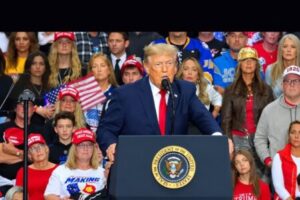
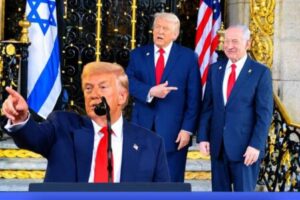
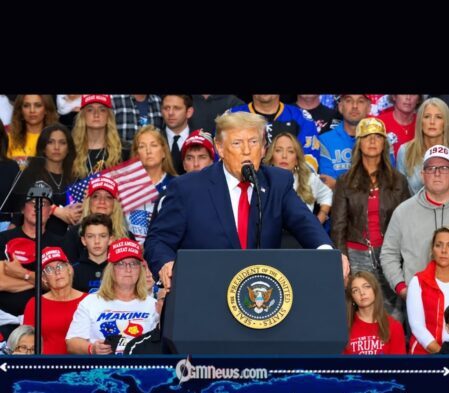
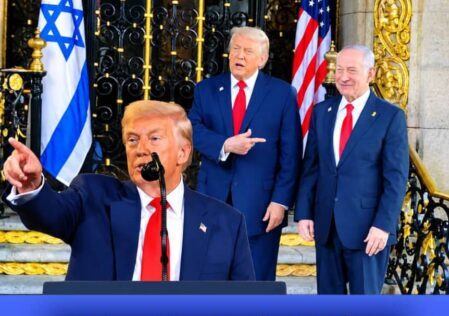
On the American side, responses have remained cautious. U.S. President Donald Trump, currently serving his second term, has indicated that diplomatic channels remain open, though significant differences persist between the two sides.
The situation is further complicated by conflicting public statements and limited transparency regarding ongoing discussions. While both nations appear to recognize the costs of prolonged conflict, bridging the gap between their respective positions will require sustained diplomatic effort.
Regional and Global Implications
The potential end of the conflict carries far-reaching implications for both the Middle East and the global economy. A successful agreement could reduce regional instability and lower the risk of broader confrontation involving multiple actors.
Global markets have already reacted to signals of possible de-escalation, particularly in the energy sector. However, uncertainty continues to shape investor sentiment, as the outcome of negotiations remains unclear.
Internal Dynamics and Strategic Balancing
Within Iran, differing perspectives among political and military leadership add another layer of complexity. While Masoud Pezeshkian has adopted a diplomatic tone, other factions maintain a more cautious or hardline stance.
This internal balancing act is critical, as any agreement must secure both international acceptance and domestic support. Analysts believe Masoud Pezeshkian’s approach reflects an effort to navigate these competing pressures while positioning Iran as open to dialogue under the right conditions.
Looking Ahead
Masoud Pezeshkian’s statement that Iran is ready to end the war with the United States represents a significant development in an otherwise tense geopolitical landscape. However, the conditions attachedparticularly the demand for guarantees against future attacks highlight the challenges that lie ahead.
As negotiations continue, the success of any peace effort will depend on the ability of both sides to address deep-seated mistrust and establish a framework for long-term stability. Until then, the situation remains fluid, with global attention focused on the next steps in this evolving conflict.
FoSEnYRcnzkCFxcrkTIkEJxP