








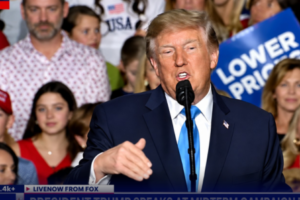




















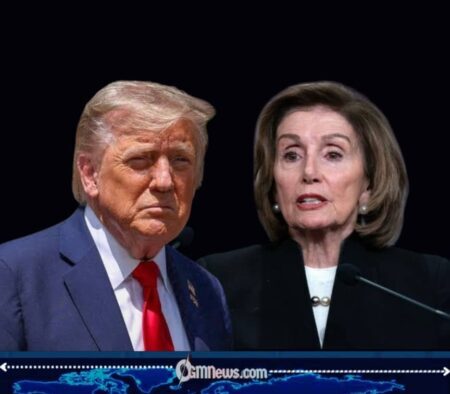
Former House Speaker Nancy Pelosi has declined to rule out the possibility of Democrats pursuing another impeachment of U.S. President Donald Trump, should the party regain control of Congress after the next midterm elections. Speaking in a recent interview, Pelosi stated that such a decision would ultimately rest with a future Congress and depend on the outcome of investigations into the president’s actions.
Her remarks have renewed political debate in Washington, highlighting how questions of oversight, accountability, and partisan control remain central to the evolving dynamics between Democrats and Republicans. While Pelosi stopped short of advocating immediate action, her comments signal that impeachment remains a constitutional option under consideration.
Pelosi’s Measured Response Keeps Options Open
Pelosi’s statement reflects a cautious and calculated approach rather than an outright call for impeachment. By emphasizing that the decision lies with “the new Congress,” she underscored the institutional process required to pursue such a move. Her remarks suggest that any action would depend on evidence gathered through formal investigations rather than political momentum alone.
This stance aligns with Pelosi’s historical approach to impeachment proceedings, where she has often stressed the importance of building a substantiated case. Analysts note that her refusal to dismiss the possibility entirely is significant, as it keeps the issue within the realm of future legislative priorities without committing the Democratic Party to a fixed course of action.
Trump’s Presidency and Renewed Political Scrutiny
President Donald Trump, now serving his second term in office, remains a central figure in U.S. political discourse. His administration continues to face scrutiny from political opponents, particularly regarding decisions and actions that critics argue warrant further examination.
The prospect of another impeachment effort reflects the enduring divisions in American politics. For supporters of Donald Trump, such discussions may appear politically motivated, while critics argue that oversight is a necessary component of democratic governance. The debate underscores the broader tension between political accountability and partisan rivalry.
The Role of Congressional Power in Impeachment
The feasibility of any impeachment effort is closely tied to the balance of power in Congress. The House of Representatives holds the authority to initiate impeachment proceedings, meaning that Democrats would need to secure a majority to move forward.
Pelosi has acknowledged this reality, pointing out that “power” is essential to building a case. Without control of the House, any effort to impeach Donald Trump would be procedurally impossible. This makes upcoming midterm elections a critical factor in determining whether such discussions translate into legislative action.
Democratic Strategy Ahead of Midterm Elections
Within the Democratic Party, there appears to be a strategic effort to balance accountability with broader electoral goals. While some members advocate for robust investigations into President Donald Trump’s administration, party leadership has largely avoided making impeachment a central campaign issue.
Political strategists suggest that focusing too heavily on impeachment could risk alienating moderate voters. Instead, Democrats are likely to emphasize governance, economic policy, and public services, while leaving the door open for future oversight actions if warranted by evidence.
Legal and Constitutional Considerations
Impeachment is a constitutionally defined process designed to address serious misconduct by public officials. Legal experts emphasize that it requires substantial evidence on a clear legal basis, rather than serving as a tool for political disagreement.
Pelosi’s remarks highlight this distinction, reinforcing the idea that any potential case against Donald Trump would need to be built carefully through investigative procedures. The emphasis on due process reflects broader concerns about maintaining institutional integrity and public trust in democratic systems.
Political Reactions and Broader Implications
Reactions to Pelosi’s comments have been mixed across the political spectrum. Some Democrats view her position as a prudent acknowledgment of constitutional responsibilities, while others interpret it as a signal that accountability remains a priority.
Republicans, meanwhile, have criticized the remarks as indicative of ongoing partisan opposition to President Donald Trump. The issue is likely to remain a point of contention as the midterm elections approach, shaping campaign narratives and influencing voter perceptions.
Looking Ahead
Nancy Pelosi’s refusal to rule out a future impeachment of President Donald Trump underscores the continuing importance of congressional oversight in U.S. politics. While no immediate action is planned, the possibility remains tied to electoral outcomes and the emergence of new evidence.
As the political landscape evolves, the interplay between institutional authority, legal standards, and partisan strategy will continue to define the debate over accountability and governance in the United States.
Casinoabc999? Good Site. The interface is sleek, and there is a lot of stuff to...