
















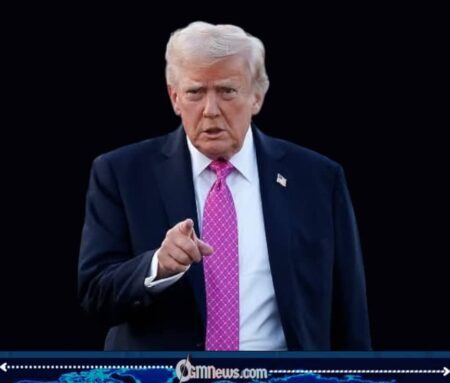
U.S. President Donald Trump has reportedly told aides he is prepared to bring the conflict with Iran to an end even if the strategically vital Strait of Hormuz remains closed. The revelation, first reported by The Wall Street Journal, suggests a significant recalibration of U.S. priorities in the ongoing crisis.
According to officials familiar with the discussions, Donald Trump is increasingly focused on avoiding a prolonged military engagement. While earlier objectives included securing the Strait of Hormuz, the current approach appears to emphasize concluding hostilities within a shorter timeframe, even if some strategic goals remain unresolved.
This development highlights Donald Trump’s evolving approach to the conflict, balancing military pressure with a desire to limit long-term entanglement.
Donald Trump’s Calculated Push to End Hostilities
The reported stance underscores a broader strategic calculation by Donald Trump, who is said to be weighing the costs and risks of continued military operations. Ending the war quickly, even without reopening the Strait of Hormuz, may help reduce escalation risks and stabilize geopolitical tensions.
Officials suggest that Donald Trump views a prolonged campaign to secure the waterway as potentially costly and unpredictable. Such operations could involve extended naval engagements and increase the likelihood of a wider regional conflict.
By prioritizing a swift conclusion, Donald Trump appears to be shifting focus from achieving all military objectives to securing a manageable and timely outcome.
Strategic Importance of the Strait of Hormuz
The Strait of Hormuz remains one of the most critical global energy corridors, with a substantial portion of the world’s oil supply passing through it. Its closure has already triggered volatility in global energy markets and heightened economic uncertainty.
Despite its importance, the latest reports indicate that reopening the strait may no longer be treated as an immediate objective by Donald Trump’s administration. This marks a departure from earlier messaging that emphasized restoring maritime flow as a central goal.
Analysts warn that leaving the strait closed could have lingering economic consequences, even if the conflict itself comes to an end.
Balancing Military Objectives and Economic Pressures
The evolving strategy reflects an effort by Donald Trump to balance military objectives with broader economic considerations. Prolonged operations aimed at reopening the strait could require significant resources and risk further destabilizing the region.
Ending the conflict sooner could help ease pressure on global markets and reduce immediate geopolitical risks. However, it also raises questions about the long-term security of critical trade routes.
Experts note that this approach may shift responsibility for reopening the strait to diplomatic negotiations or international cooperation in the post-conflict phase.
Mixed Signals and Strategic Ambiguity
The approach taken by Donald Trump reflects a pattern of strategic ambiguity. While the administration continues to project strength and maintain military readiness, it is simultaneously signaling a willingness to de-escalate.
This dual-track policy combining deterrence with openness to ending the conflict has created uncertainty among allies and observers. Some view it as a flexible strategy designed to maintain leverage, while others see it as a lack of clear direction.
For Iran, the mixed signals complicate decision-making as negotiations continue in parallel with military developments.
Global Implications and the Path Forward
The potential decision by Donald Trump to end the war under these conditions could mark a turning point in the conflict. It signals a shift toward prioritizing de-escalation and diplomatic engagement over comprehensive military outcomes.
International reactions are expected to remain mixed, with some countries welcoming a quicker end to hostilities while others express concern about unresolved strategic issues. The future status of the Strait of Hormuz will likely remain a central topic in diplomatic discussions.
As the situation evolves, the effectiveness of this strategy will depend on whether it can achieve both immediate stability and long-term security in the region.

https://webtoolsreview.substack.com/p/why-screenshots-arent-the-best-way