






















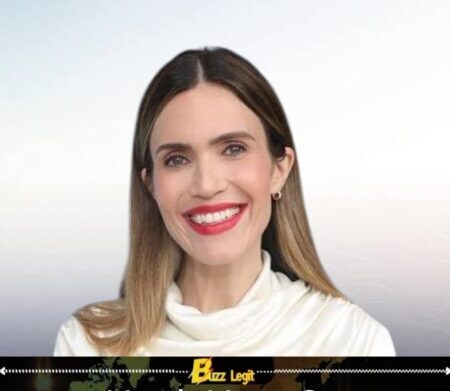
The phrase “Toxic Mom Group” suddenly became one of entertainment culture’s most discussed talking points after Mandy Moore openly reflected on the emotionally draining side of modern parenting communities, while simultaneously fueling speculation about a possible return to music amid renewed nostalgia surrounding early-2000s pop stars. What initially appeared to be a simple celebrity parenting discussion quickly evolved into a broader debate about online judgment, performative motherhood, and whether Hilary Duff’s recent pop resurgence may be encouraging other former chart favorites to reconsider unfinished musical chapters.
Forget Mean Girls, Mandy Moore Says the Real Villains Are in Parent Chats
Mandy Moore’s remarks about “toxic mom group” experiences resonated far beyond celebrity gossip spaces because they tapped into frustrations many parents already quietly discuss online. Parenting communities, originally created to provide support and shared experiences, have increasingly developed reputations for competitiveness, unsolicited criticism, and unrealistic standards surrounding motherhood. Moore reportedly suggested that even seemingly harmless discussions can quickly become emotionally charged environments where comparison replaces compassion.
The “Toxic Mom Group” conversation also exposed the pressure celebrity mothers face in the digital era. Public figures are now expected to balance careers, parenting, wellness, relationships, and public image while appearing effortlessly composed at all times. Critics of modern social media culture argue that platforms reward perfection rather than honesty, turning motherhood into something resembling a curated performance. In that environment, even celebrities with successful careers and loyal fan bases can become vulnerable to the same insecurities affecting ordinary parents scrolling through polished online lifestyles at midnight.
Hilary Duff Drops Music and Suddenly Mandy Moore Starts Stretching Her Vocal Cords
While the parenting controversy dominated headlines, entertainment fans became equally fascinated by Mandy Moore’s openness toward potentially revisiting music. Moore, who built a successful music career before transitioning heavily into acting, has remained associated with the wave of early-2000s pop culture figures now experiencing renewed relevance through nostalgia-driven audiences and streaming-era rediscovery. The timing of her comments drew particular attention because Hilary Duff’s recent visibility in entertainment conversations has reignited demand for familiar pop voices from that era.
The broader industry climate may also support a “Pop Comeback” moment. Record labels and streaming platforms increasingly recognize the commercial power of nostalgia, particularly among millennials who now drive much of online entertainment discourse. Recent years have shown audiences enthusiastically embracing reunion tours, legacy albums, and revived music careers from artists once considered permanently retired from pop music. Analysts observing fan reactions online noted that Mandy Moore’s catalog has quietly maintained loyal listeners, especially as younger audiences rediscover older tracks through viral clips and recommendation algorithms. In a music industry currently obsessed with revivals, the possibility of Moore returning to the studio no longer sounds unrealistic — it sounds marketable.
For now, Mandy Moore appears to stand at an unusual crossroads where celebrity motherhood, internet culture, and pop nostalgia unexpectedly collide. Whether the “Toxic Mom Group” discussion fades or evolves into a larger cultural conversation, the sudden excitement surrounding a possible “Pop Comeback” proves one thing: audiences remain deeply invested in stars who speak candidly about modern pressures while leaving the door open for reinvention. Buzz Legit will continue monitoring developments surrounding Mandy Moore’s next move — whether it happens in a parenting forum or inside a recording booth.
[…] […]