












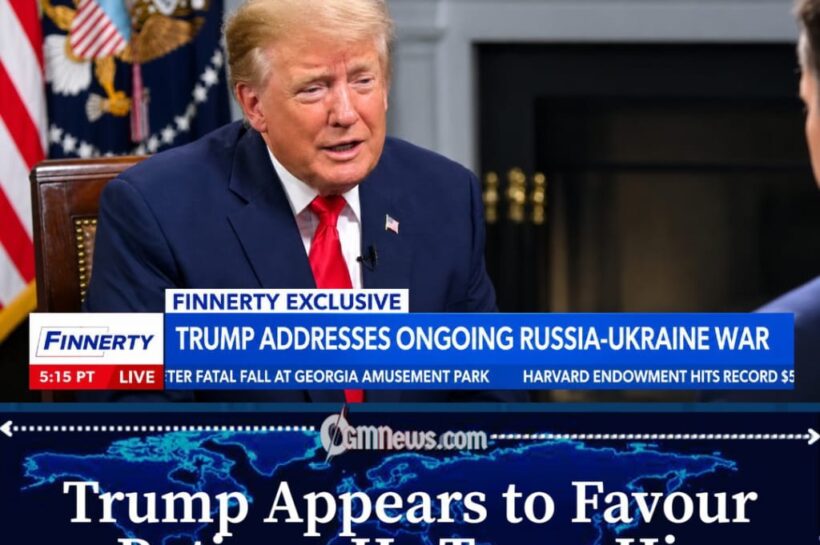











President Donald Trump says Iran Victory is now within reach, declaring that the United States will achieve and formally announce a “total victory” over Iran within the next two weeks. The bold prediction, delivered during a tele-rally supporting Senator Lindsey Graham in South Carolina, immediately reignited debate over the direction of the conflict, the credibility of previous timelines, and the wider consequences for energy markets and regional security. With military tensions, diplomacy, and political calculations colliding, the latest promise has become one of the most closely watched developments in Washington and beyond.
Trump Predicts Total Iran Victory Within Two Weeks
Trump presented Iran Victory as an outcome that is rapidly approaching, arguing that ongoing negotiations with Tehran are producing significant progress. According to the president, Iranian officials are prepared to make substantial concessions, including commitments related to preventing the development of nuclear weapons. He also predicted that a successful resolution would help drive oil prices downward and reduce economic pressures felt by consumers.
The remarks came shortly after a reduction in hostilities between Iran and Israel. Reports indicate that both sides halted their latest round of attacks following a dangerous escalation that raised fears of a broader regional conflict. Trump has stated that he personally encouraged restraint among regional actors and has emphasized that diplomatic efforts remain active. Supporters view these developments as evidence that negotiations are gaining momentum, while critics caution that temporary pauses in fighting do not necessarily signal a durable settlement.
Trump Pushes Optimistic Timeline for End of Iran Conflict
The latest Iran Victory timeline has attracted scrutiny because similar predictions have been made throughout the conflict. Earlier expectations that the war would conclude quickly have not materialized, and the confrontation has extended well beyond initial projections. Analysts note that diplomatic breakthroughs in the Middle East often require lengthy negotiations, complex security guarantees, and cooperation from multiple regional powers.
At the same time, the conflict has had significant domestic consequences in the United States. Rising energy costs and concerns about economic uncertainty have become political issues, with polling suggesting that many Americans remain worried about the impact of the Iran conflict on fuel prices and the broader economy. While Trump argues that a successful agreement could reverse those pressures, critics contend that public patience is being tested by repeated assurances that a final resolution is imminent.
The broader geopolitical picture also remains complicated. Regional governments continue to balance security concerns, nuclear non-proliferation goals, and fears of another escalation. Trump’s recent comments that several regional leaders encouraged de-escalation highlight the extent to which neighboring countries are invested in preventing further conflict. The coming days could therefore prove pivotal not only for Washington and Tehran but also for the wider Middle East.
For now, the promise of Iran Victory remains exactly that—a promise. Whether the next two weeks bring a historic diplomatic breakthrough, a symbolic political declaration, or yet another extension of the timeline will determine how this latest chapter is remembered. OGM News will continue monitoring developments as negotiations, regional security concerns, and global energy markets remain tightly linked to events surrounding Iran and the Trump administration.



mjpKyJqtopJmUkjsHEeNp