








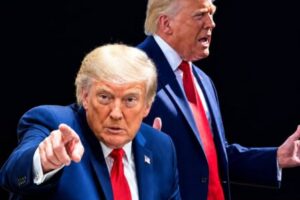













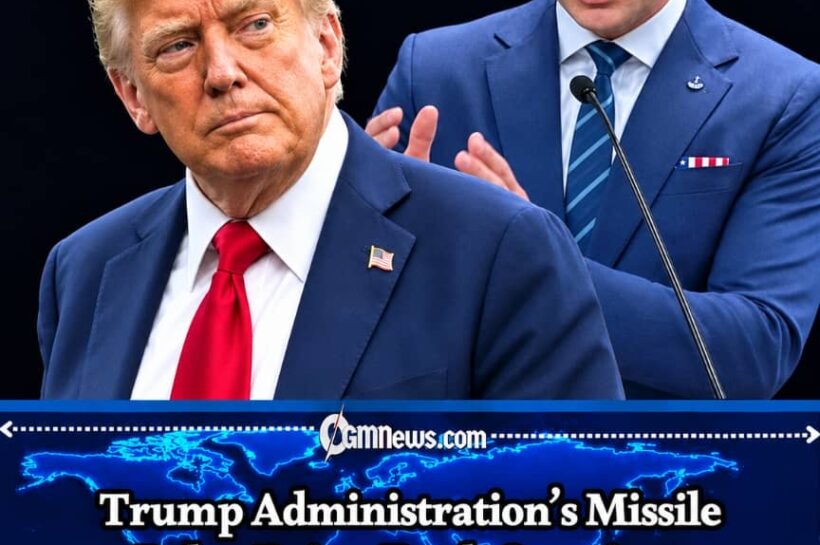




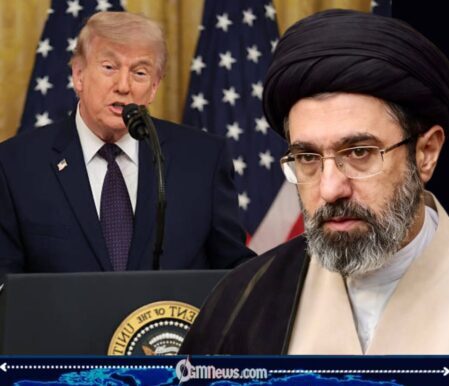
Donald Trump has once again thrust himself into the center of global attention after signaling that the United States is nearing a decision on whether to launch additional strikes against Iranian power plants and bridges. The statement, delivered amid escalating tensions in the Middle East, has sparked intense debate among diplomats, military analysts, and financial markets.
While some observers view the warning as a negotiating tactic designed to pressure Tehran, others fear it could mark the beginning of a more dangerous phase in the confrontation between the two nations.
Pressure on Iran
Donald Trump’s latest remarks come after a series of military exchanges involving American and Iranian forces in strategic areas linked to regional security and international energy supplies. Frustrated by what he described as slow-moving negotiations, the president suggested that Iran could face severe consequences if diplomatic efforts continue to stall. The mention of power plants and bridges immediately drew attention because such facilities represent critical infrastructure that affects not only government operations but also the daily lives of ordinary citizens.
The renewed focus on Donald Trump’s foreign policy approach reflects a strategy that has often combined public warnings with diplomatic pressure. Supporters argue that strong rhetoric can force adversaries back to the negotiating table, while critics warn that repeated threats risk increasing instability in an already volatile region. As military activity and diplomatic talks continue simultaneously, analysts remain divided on whether the latest comments are intended to secure concessions or prepare the public for further action.
Consequences of Trump Action
Beyond the military implications, Donald Trump’s comments have already produced noticeable economic effects. Global oil prices moved higher as traders reacted to concerns that additional conflict could threaten vital energy infrastructure and disrupt shipping routes through the Strait of Hormuz. For many investors, even the possibility of further escalation is enough to create uncertainty in markets that are already sensitive to geopolitical developments.
The attention surrounding Donald Trump’s warning has also revived broader discussions about the role of infrastructure in modern conflicts. Power plants and transportation networks are often viewed as strategic assets because of their influence on economic activity, communications, and public services. While supporters of a tougher stance believe such pressure can accelerate negotiations, critics argue that targeting infrastructure carries risks that extend far beyond military objectives. In a twist that some commentators have noted with irony, structures that usually spend their existence generating electricity or carrying traffic have suddenly become central characters in one of the world’s most closely watched geopolitical dramas.
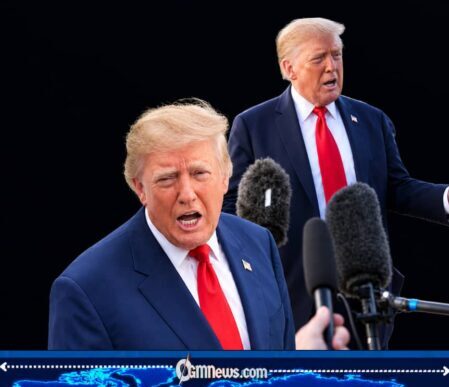
As events continue to unfold, Donald Trump remains at the center of a developing story that could shape regional security, global energy markets, and international diplomacy. Whether his latest warning leads to renewed negotiations, additional military action, or a temporary easing of tensions remains uncertain. What is certain is that the world is watching closely, knowing that a few words from the White House can send shockwaves far beyond Washington and Tehran.

Logging in is a breeze and the site stability is amazing even during peak hours....