



























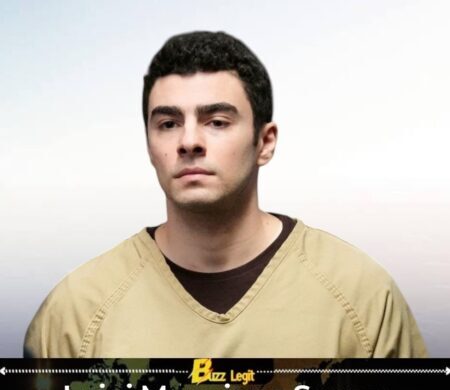
Luigi Mangione returned to court Monday as a judge delivered a dramatic ruling that could shape the outcome of one of the country’s most closely watched murder trials. The decision handed prosecutors permission to use several critical pieces of evidence in the upcoming case while simultaneously throwing out other materials seized during Mangione’s arrest, creating a legal split-screen victory that immediately intensified public fascination surrounding the proceedings.
Authorities accuse Luigi Mangione of killing UnitedHealthcare executive Brian Thompson in a case that has remained under national scrutiny since late 2024. Prosecutors argue Mangione carried out the attack with ideological motivations connected to frustrations surrounding the American healthcare system, while the defense has aggressively challenged both the narrative and the methods used by investigators during the arrest and evidence collection process.
Luigi Mangione’s “Manifesto” Survives Court Challenge as Trial Drama Explodes
The courtroom battle centered heavily on a backpack recovered during Luigi Mangione’s arrest at a McDonald’s restaurant in Altoona, Pennsylvania. Judge Gregory Carro ruled that police improperly searched the backpack during the initial arrest phase without sufficient legal justification, leading the court to suppress several seized items including a cellphone, passport, ammunition magazine, wallet, and computer chip. The ruling marked a significant acknowledgment that investigators crossed constitutional boundaries during the early moments of the arrest.
At the same time, the judge allowed prosecutors to keep other potentially devastating evidence obtained later during a police station inventory search. That evidence reportedly includes a 3D-printed firearm, a silencer, USB materials, and a notebook prosecutors have repeatedly described as containing writings tied to motive and planning. The court determined that the later inventory search followed lawful procedure, giving prosecutors a major advantage heading into trial despite the earlier suppression ruling.
Courtroom Shock as Judge Rules Some Police Searches Were Illegal in Luigi Mangione Case
The Luigi Mangione case has evolved beyond a standard criminal proceeding and into a wider national discussion involving policing, healthcare frustrations, and public anger toward corporate institutions. Since the initial accusations surfaced, online debates have ranged from legal analysis to political commentary, with some social media users controversially attempting to frame Mangione as a symbolic figure tied to broader dissatisfaction with the healthcare industry. Prosecutors, however, continue to portray the case as a calculated act of violence requiring severe punishment.
Legal experts observing the case say the ruling demonstrates how even highly publicized investigations remain vulnerable to constitutional scrutiny. While prosecutors still possess surveillance footage, forensic evidence, and witness testimony, the suppression of certain materials may still provide the defense with opportunities to challenge investigative credibility before jurors. The ruling also underscores the growing judicial focus on warrantless searches and Miranda protections in high-profile criminal cases.
Judge Gives Prosecutors Half a Victory and Defense Lawyers Half a Celebration
Luigi Mangione has pleaded not guilty, and his state trial is expected to begin in September, with additional federal proceedings expected later. As both sides prepare for what could become one of the year’s defining courtroom battles, the latest evidence ruling has already guaranteed one thing: the trial will now be watched not only as a murder case, but also as a public test of how far investigators can push before constitutional protections push back.



[…] […]