

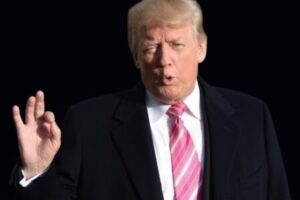

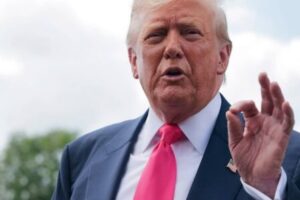












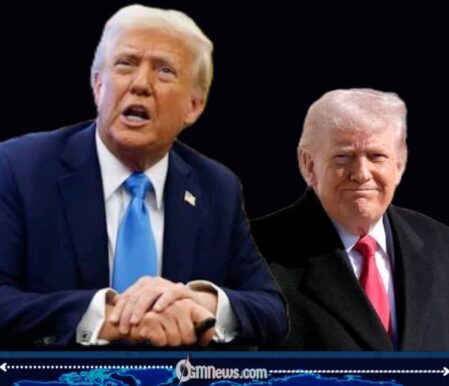
Helicopter Controversy erupted after President Donald J. Trump reportedly sought to minimize Iran’s downing of a U.S. Apache helicopter, telling The Wall Street Journal that the incident “wasn’t a big deal” because the pilot was safe. The remarks immediately drew attention because they appeared to contrast sharply with his earlier statements blaming Iran for the attack and insisting that the United States “must, of necessity, respond.”
Helicopter Controversy quickly became a major talking point because the incident occurred during a period of heightened tensions between Washington and Tehran. Reports indicate that the helicopter went down near the Strait of Hormuz after apparently being struck by an Iranian drone, though the circumstances initially remained under investigation. Both crew members were rescued in what officials described as a first-of-its-kind rescue operation involving an unmanned naval drone.
A Military Incident Meets Political Messaging
The original Helicopter Controversy centers on the apparent contradiction between Trump’s public positions. Earlier in the day, the President blamed Iran and vowed a response. Later, he told reporters that the downing itself was not especially significant because no American lives were lost.
Within the broader Helicopter Controversy discussion, supporters argue that Trump was emphasizing the successful rescue of the crew rather than dismissing the seriousness of the event. Critics, however, contend that the loss of an advanced U.S. military aircraft in a hostile environment is inherently significant regardless of casualties. The differing interpretations have fueled debate over whether the administration’s messaging has remained consistent.
Military Messaging Under the Spotlight
The incident gained even greater significance when U.S. forces launched retaliatory strikes against Iranian targets shortly afterward. Military officials described the operation as a proportional response to what they characterized as unjustified aggression.
The broader Military Messaging debate highlights a challenge faced by modern leaders during international crises. Governments often seek to reassure the public while also demonstrating strength to adversaries. That balancing act can sometimes create statements that appear contradictory when viewed side by side.
Analysts note that presidents frequently attempt to avoid language that could unnecessarily escalate tensions while still maintaining deterrence. In this case, Trump’s effort to stress that the crew survived may have been intended to calm concerns even as military planners prepared a response. Nevertheless, the contrast between “not a big deal” and subsequent military action has become a central point of discussion.
As developments continue, OGM News understands that the downing of the Apache may ultimately be remembered as much for the debate surrounding the President’s comments as for the military event itself. Whether viewed as reassurance or minimization, Helicopter Controversy has become the latest example of how words can shape public perception during moments of international tension.

[…] […]