



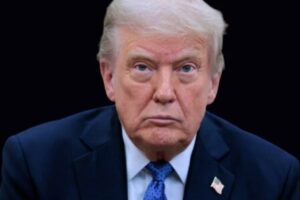






















President Donald J. Trump has triggered another political firestorm after reportedly withdrawing his $10 billion lawsuit against the Internal Revenue Service, allowing settlement discussions between his legal team and the Justice Department to move forward without direct involvement from the judge overseeing the case. The sudden reversal has intensified scrutiny in Washington, particularly as reports emerge that administration officials are simultaneously discussing a proposed $1.7 billion compensation fund for political allies who claim they were unfairly targeted during the Biden administration years. The convergence of both developments has reignited accusations of political favoritism, government overreach, and the expanding use of executive influence in modern American politics.
Withdrawal And Details Surrounding The Proposed Settlement
The Trump lawsuit against the IRS had previously been framed by allies of the president as a major legal confrontation over alleged political targeting and improper treatment by federal agencies. While details surrounding the proposed settlement remain largely undisclosed, the withdrawal effectively removes what could have become one of the most closely watched courtroom battles involving a sitting president and a federal institution. Legal observers note that withdrawing such a massive claim before judicial resolution often signals that negotiations outside the courtroom may have become more strategically valuable than continuing the public fight.
The timing has become especially controversial because discussions surrounding the proposed compensation fund surfaced almost simultaneously. According to reports circulating within political and legal circles, the fund would allegedly compensate individuals and organizations aligned with Trump who believe they were subjected to investigations, financial scrutiny, or enforcement actions motivated by partisan politics during the Biden administration. Supporters of the proposal argue that federal agencies were weaponized against conservatives over several years, while critics warn that using public resources to compensate political allies could establish a troubling precedent that blurs the boundary between governance and political loyalty.
Trump: Compensation With The Role Of Federal Institutions
The debate surrounding the compensation fund also arrives amid broader national arguments about the role of federal institutions, selective enforcement, and political retaliation in America’s deeply divided climate. Over the past several years, Republicans and Democrats alike have accused each other of exploiting federal agencies for partisan advantage, with disputes involving the Justice Department, IRS, FBI, and congressional investigations becoming central features of modern U.S. politics. Trump himself has repeatedly argued that legal and financial investigations into his businesses and political network were part of coordinated efforts to weaken his presidency and future political ambitions.
Critics, however, argue that the proposed compensation discussions could deepen public distrust in government institutions rather than restore confidence. Ethics experts have warned that any large-scale compensation structure tied to political affiliation would likely face fierce legal challenges and intense public examination. Others note that the controversy reflects a broader transformation in American politics, where legal disputes increasingly function not only as judicial matters but also as weapons in public relations warfare, campaign messaging, and political survival strategies. Even some conservative commentators have questioned whether the optics of combining lawsuit withdrawals with compensation discussions may ultimately damage the administration’s credibility among independent voters.
As the Trump lawsuit controversy continues to unfold, attention is now shifting toward whether formal details about the compensation fund will eventually become public and whether Congress or federal watchdogs will seek further investigation into the discussions. For now, the episode has once again demonstrated how legal battles, political loyalty, and presidential power remain tightly intertwined in Washington’s modern era of permanent political combat.
[…] […]