
















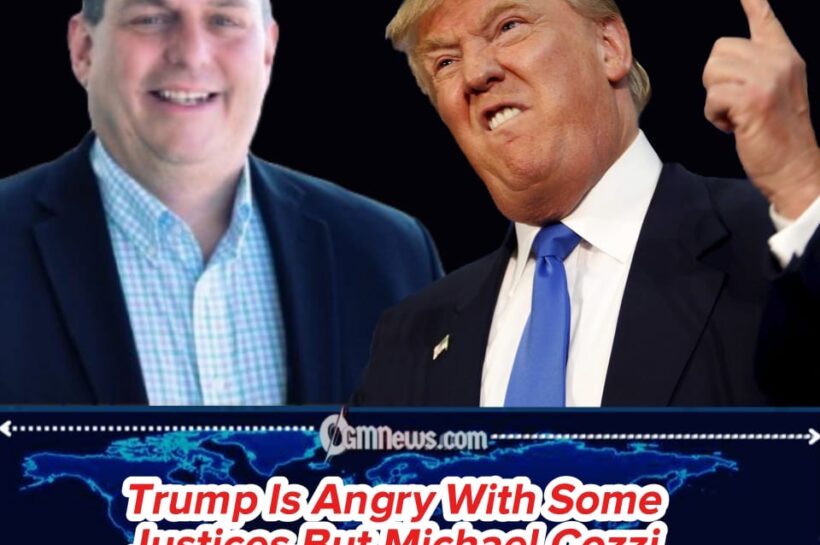




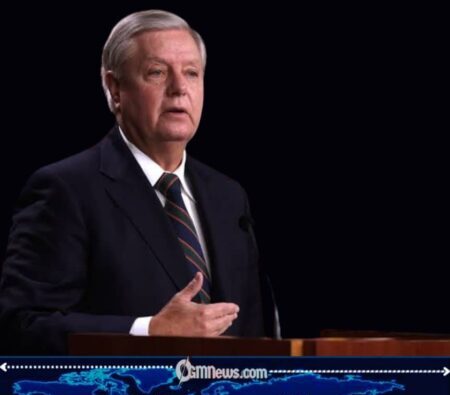
Comments attributed to Lindsey Graham regarding the potential cost of a war with Iran have ignited widespread debate across political and international circles. While viral claims suggest Graham expressed willingness to sacrifice U.S. troops to secure Iran’s oil resources, major news outlets indicate that the exact wording remains unverified.
Nevertheless, Graham’s publicly reported statements linking military strategy to economic and energy considerations have drawn scrutiny. His remarks come amid escalating tensions in the Middle East and ongoing discussions within Washington about the scope and objectives of U.S. involvement.
The controversy underscores broader questions about the balance between national security, economic interests, and the human cost of military action.
Disputed Quote and Verified Statements
The most widely circulated version of Graham’s remarks, suggesting a willingness to sacrifice “as many U.S. soldiers as necessary,” has not been confirmed by leading outlets such as Reuters or the Associated Press.
However, credible reporting indicates that Graham has made comments emphasizing the strategic value of energy resources in global conflicts. These remarks have been interpreted by critics as framing military engagement in economic terms.
The distinction between verified statements and viral claims has become central to the debate, highlighting the challenges of information accuracy in a fast-moving news environment.
Graham’s Longstanding Hawkish Stance on Iran
Lindsey Graham has consistently advocated for a strong U.S. posture toward Iran, including support for military action and regime change efforts.
Over the years, he has aligned closely with interventionist foreign policy positions, arguing that a firm approach is necessary to counter Iran’s regional influence and security threats. His views have often placed him among the more hawkish voices within the United States Congress.
Recent statements continue this pattern, reinforcing his belief that decisive action may be required to achieve long-term strategic objectives.
Oil, Economics, and Strategic Interests
A key aspect of the controversy centers on Graham’s references to energy resources, particularly oil, as part of the broader geopolitical landscape.
Reports from international media outlets indicate that he has highlighted the economic implications of controlling or influencing major oil-producing regions. This perspective aligns with longstanding debates about the role of natural resources in global conflicts.
Critics argue that linking military action to economic gain risks undermining moral and legal justifications for war, while supporters contend that economic considerations are an unavoidable part of strategic planning.
Human Cost and Military Implications
Even without the exact wording attributed to him, Graham’s comments have brought renewed attention to the human cost of war.
Military experts note that any conflict with Iran would likely involve significant risks, including potential casualties among U.S. forces. Iran’s military capabilities and regional alliances could make such a conflict complex and prolonged.
The discussion has also resonated with a war-weary public, as memories of previous conflicts continue to shape attitudes toward new military engagements.
Political Reactions and Public Debate
Graham’s remarks have sparked strong reactions across the political spectrum. Critics have questioned the ethical implications of framing war in terms of economic benefit, while supporters argue that his statements reflect strategic realism.
The debate has also exposed divisions within U.S. politics, with some figures advocating restraint and others supporting a more assertive approach.
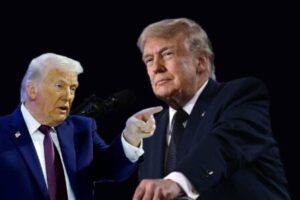
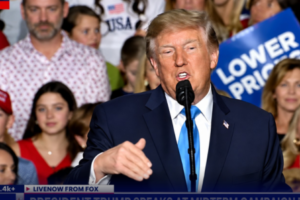
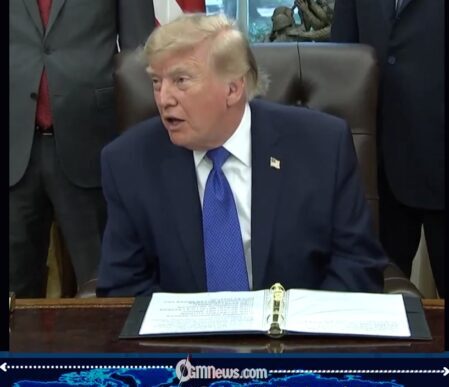
President Donald Trump, currently serving a second term, has maintained a firm stance on Iran, further intensifying discussions about U.S. policy direction.
Broader Implications for U.S. Foreign Policy
The controversy surrounding Graham’s remarks highlights the broader challenges facing U.S. foreign policy in the Middle East.
Balancing strategic interests, economic considerations, and humanitarian concerns remains a complex task for policymakers. The debate also reflects evolving public expectations regarding transparency and accountability in decisions about war.
As tensions persist, the discussion surrounding Graham’s statements may influence how future policy decisions are framed and communicated.
Casinoabc999? Good Site. The interface is sleek, and there is a lot of stuff to...