

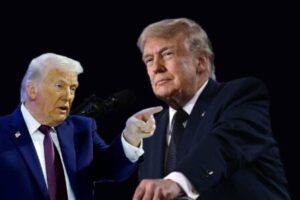

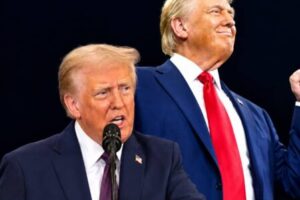
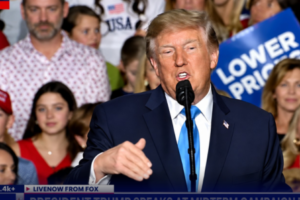

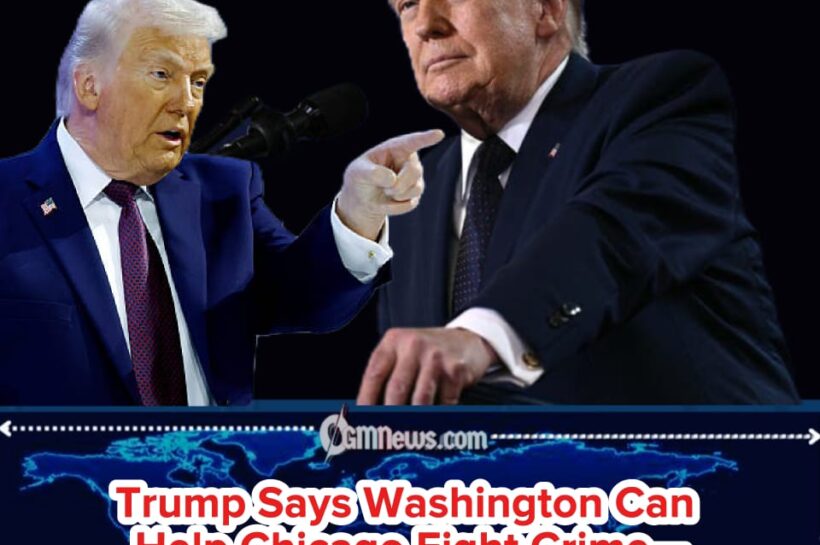
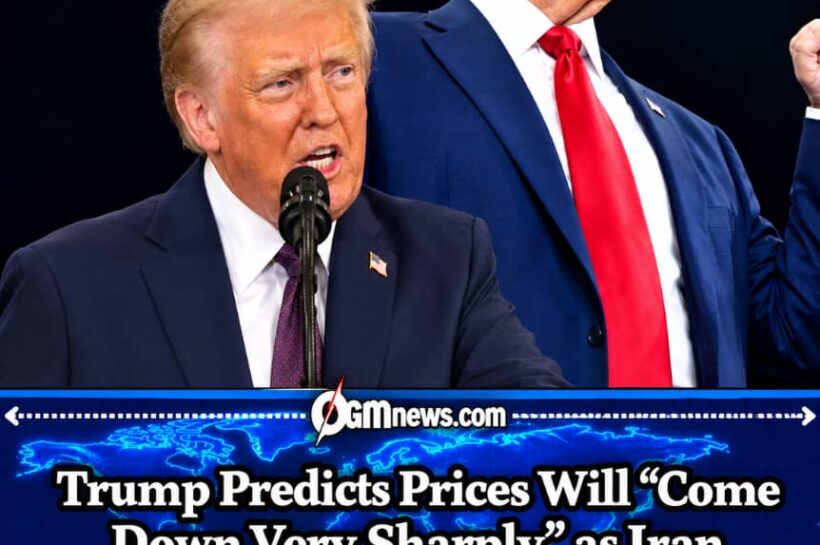
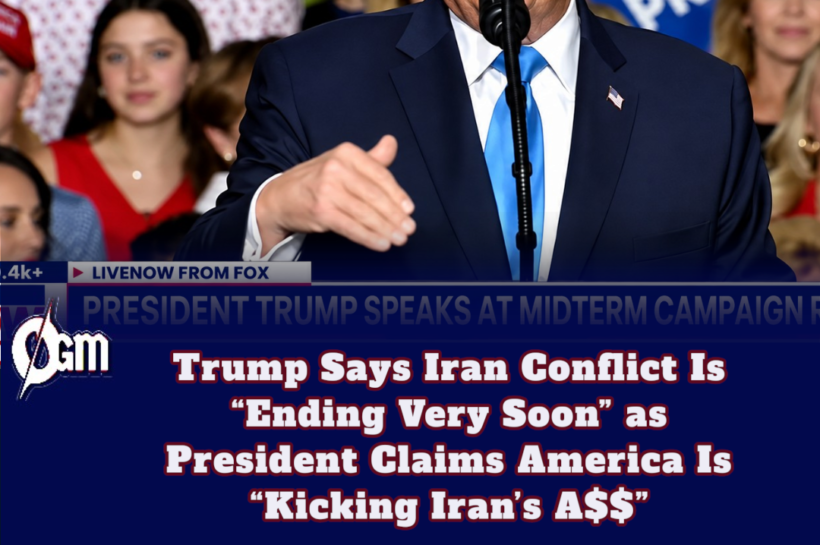



Donald Trump, the current U.S. president serving a second term, has intensified rhetoric against Iran, warning that any hostile actions in the Gulf region would be met with decisive military and economic responses. His administration has emphasized its readiness to defend American interests and those of its allies, particularly in safeguarding critical energy infrastructure.
Donald Trump has consistently projected strength in foreign policy, framing the situation as a matter of national security and global stability. Officials in Washington maintain that deterrence remains the central objective, though critics argue that such rhetoric risks further escalation.
Mounting Tensions with Tehran
Donald Trump has taken a firm position amid rising tensions, as Iranian authorities respond with equally strong warnings of retaliation against U.S. assets and allied facilities. The exchange of threats has deepened concerns about a potential direct confrontation between the two nations.
Donald Trump faces a complex geopolitical challenge, with analysts noting that the longstanding rivalry between Washington and Tehran has entered a more volatile phase. Without careful management, the situation could spiral into a broader regional conflict.
Strategic Stakes in the Gulf Region
Donald Trump has underscored the importance of protecting energy routes in the Persian Gulf, a region central to global oil supply. Countries such as Saudi Arabia and the United Arab Emirates host key infrastructure that supports international energy markets.
Donald Trump’s focus on the region reflects broader economic concerns, as any disruption to oil production or transportation could have far-reaching global consequences. Experts warn that even limited attacks could trigger significant supply shocks.
Market Reactions and Economic Concerns
Donald Trump’s warnings have coincided with increased volatility in global financial markets, particularly in the energy sector. Investors remain cautious as the possibility of conflict raises concerns about disruptions to oil supply.
Donald Trump’s policies are being closely watched by economic analysts, who note that prolonged instability could drive up fuel prices and strain economies worldwide. The uncertainty has added pressure to already fragile global markets.
Heightened Security Across the Gulf
Donald Trump’s stance has prompted heightened security measures across the Gulf region, with governments reinforcing defenses around critical energy infrastructure. Increased military readiness reflects fears of potential attacks.
Donald Trump’s approach has also influenced allied nations to adopt precautionary strategies, as defense experts warn that any escalation could quickly involve multiple actors and complicate regional stability.
Diplomatic Strain and Limited Dialogue
Donald Trump has faced growing challenges in maintaining diplomatic engagement with Iran, as communication channels between the two sides remain strained.
International calls for restraint have yet to produce meaningful dialogue. Donald Trump’s administration continues to emphasize strength, but observers argue that renewed diplomatic efforts are essential to prevent further escalation and reduce the risk of conflict.
Uncertain Path Forward
Donald Trump remains central to the unfolding situation, as both the United States and Iran maintain firm positions. The continued exchange of threats highlights the fragile balance in the region.
rump’s next moves will likely play a critical role in shaping the outcome, with the international community closely watching for signs of either escalation or de-escalation in this high-stakes geopolitical standoff.
[…] […]