




























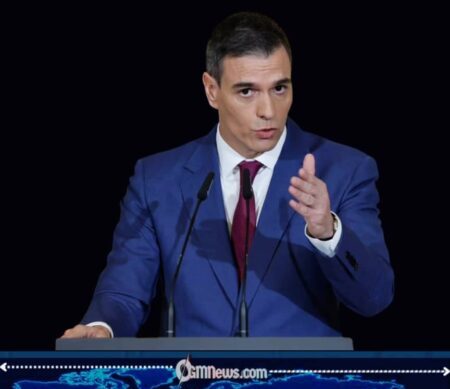
Prime Minister Pedro Sánchez has intensified calls for the Strait of Hormuz to remain open, amid growing international concern over disruptions to one of the world’s most critical energy corridors.
While some reports characterize his stance as a direct demand toward Iran, verified accounts indicate that Sánchez has consistently emphasized the importance of maintaining free navigation and avoiding escalation in the region.
His remarks come as geopolitical tensions rise sharply, with global powers increasingly focused on safeguarding energy supplies and preventing further destabilization.
Sánchez: Spain’s Position on Freedom of Navigation
Pedro Sánchez has repeatedly underscored that Spain supports the principle of free and secure maritime transit, particularly through vital global routes such as the Strait of Hormuz.
The Spanish government has framed its position within the context of international law, stressing that global trade and energy flows depend on uninterrupted access to strategic waterways. Sánchez has also called for restraint from all parties involved in the conflict.
Rather than advocating military intervention, Spain’s approach prioritizes diplomacy and multilateral cooperation as the most effective means of ensuring long-term stability.
Iran’s Response and Control of the Strait
Iran has maintained that the Strait of Hormuz remains open, but with conditions. Officials in Tehran have indicated that vessels linked to adversarial nations may face restrictions or heightened scrutiny.
This position reflects Iran’s broader strategy in response to ongoing military and political pressure from Western powers. By asserting control over access to the strait, Iran has signaled its ability to influence global energy supply routes.
The situation has created uncertainty in international shipping, as companies and governments assess the risks associated with navigating the region.
Global Concern Over Energy Security
The Strait of Hormuz is one of the most strategically important waterways in the world, with a significant portion of global oil and gas shipments passing through it daily.
Concerns over potential disruptions have prompted reactions from major economies and organizations, including the G7, which has emphasized the need to protect energy supply chains.
Analysts warn that prolonged instability could lead to rising energy prices, supply shortages, and broader economic consequences, particularly for countries heavily dependent on imported fuel.
Diverging Approaches Among Western Allies
Spain’s stance highlights differences among Western nations in their approach to the crisis. While some countries have supported stronger measures, others like Spain have emphasized diplomacy and de-escalation.
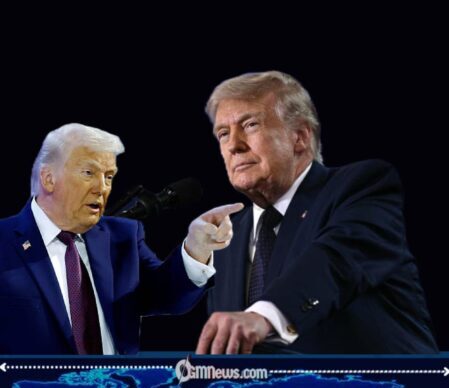
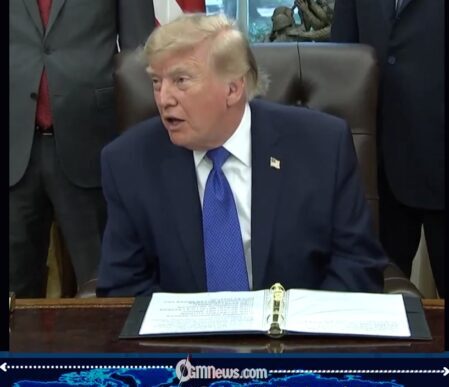
Under President Donald Trump, the United States has taken a more assertive position, including issuing warnings to Iran regarding access to the strait.
These differing approaches reflect broader debates within the international community about how best to balance security concerns with the need to avoid further conflict.
Economic Implications for Spain and Europe
For Spain and other European nations, the stability of the Strait of Hormuz is closely tied to economic well-being. Disruptions in energy supplies can have immediate effects on fuel prices, inflation, and industrial activity.
The Spanish government has already taken steps to mitigate potential impacts, including exploring measures to support households and businesses facing rising energy costs.
Sánchez’s emphasis on keeping the strait open reflects a broader effort to shield the domestic economy from external shocks while maintaining a commitment to diplomatic solutions
Diplomatic Outlook and Future Prospects
Looking ahead, the situation in the Strait of Hormuz remains fluid, with ongoing developments likely to shape global responses.
Spain is expected to continue advocating for dialogue and cooperation, working alongside European partners and international organizations to reduce tensions.
The outcome will depend on the actions of key stakeholders, including Iran and major global powers, as they navigate a complex and evolving geopolitical landscape.
Ae888covenuscasino, okay, I'm curious. Gonna check out this site and try to find some amazing...