


























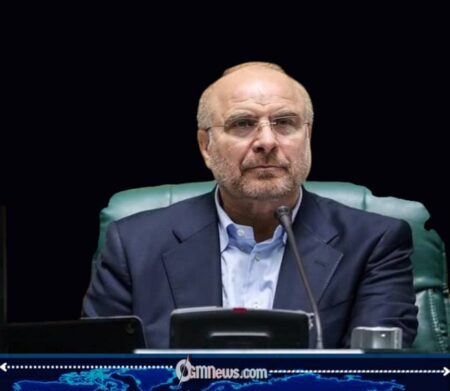
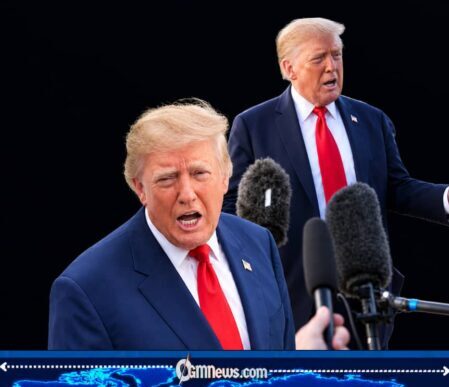
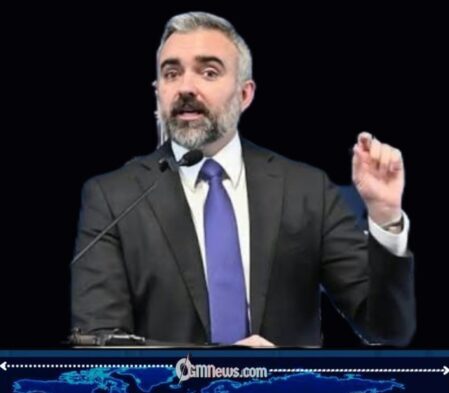
Iran’s parliamentary speaker, Mohammad Bagher Ghalibaf, has issued a stark warning to the United States, declaring that recent threats to bomb Iranian infrastructure could plunge the region into severe and lasting conflict. Responding directly to statements by President Donald Trump, Ghalibaf warned that such actions would create “a living hell” for American families and destabilize the wider Middle East.
The remarks come amid escalating tensions following U.S. threats targeting Iranian power plants, bridges, and key infrastructure. While the exact phrasing of Ghalibaf’s statement varies across reports, its tone aligns closely with official Iranian responses condemning the potential strikes as reckless and unlawful.
Trump’s Threat to Target Critical Infrastructure
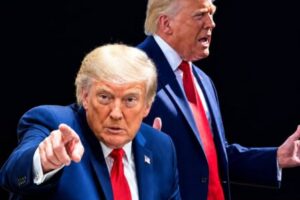
President Donald Trump has warned that the United States could carry out strikes against Iran’s infrastructure if strategic waterways, particularly the Strait of Hormuz, remain disrupted. According to multiple international reports, the threats explicitly mentioned power generation facilities and transportation networks.
Such statements represent a significant escalation, as attacks on infrastructure could have widespread humanitarian consequences. Analysts note that targeting energy and transport systems would not only affect military capabilities but also civilian life, potentially leading to electricity shortages and economic disruption.
The administration has framed these threats as part of a broader effort to compel compliance and ensure regional stability, though critics argue that the approach risks intensifying the conflict.
Ghalibaf’s Warning and Iran’s Official Position
Mohammad Bagher Ghalibaf responded forcefully, warning that continued escalation could engulf the entire region in conflict. His remarks emphasized that any attack on Iranian infrastructure would provoke consequences extending beyond bilateral tensions.
Iranian officials have consistently argued that such strikes would constitute violations of international law, particularly if civilian infrastructure is targeted. Ghalibaf’s comments reflect this broader stance, framing the issue not only as a military concern but also as a legal and moral one.
The reference to external influence, including alignment with Israeli policies, also mirrors longstanding Iranian narratives regarding the origins and drivers of regional conflict.
Legal and Humanitarian Concerns Over Potential Strikes
International legal experts have raised concerns about the implications of targeting infrastructure such as power plants and bridges. Under international humanitarian law, civilian infrastructure is generally protected unless it is directly contributing to military operations.
Humanitarian organizations warn that attacks on such facilities could lead to cascading effects, including disruptions to water supply, healthcare systems, and basic services. These consequences often disproportionately affect civilian populations, raising questions about proportionality and legality.
The debate over potential “war crimes” has therefore become central to the discourse, with Iran and some international observers emphasizing the need for adherence to established legal norms.
Escalation Risks and Regional Impact
The exchange of threats and warnings highlights the growing risk of a broader regional conflict. The Middle East remains a highly interconnected geopolitical landscape, where escalation between major actors can quickly spread across borders.
Iran has indicated that it could respond to any attack with measures extending beyond its immediate territory, potentially targeting U.S. interests and allies in the region. Such a scenario could disrupt global energy markets and further destabilize already fragile states.
Observers caution that the rhetoric on both sides may limit diplomatic flexibility, making de-escalation more difficult even as the risks continue to rise.
Strategic Narratives and International Reactions
The statements by Mohammad Bagher Ghalibaf also form part of a broader strategic communication effort. By framing U.S. actions as reckless and externally influenced, Iranian leaders aim to shape international opinion and rally domestic support.
Global reactions have largely emphasized restraint, with calls for dialogue and diplomatic engagement. Many governments and international organizations have expressed concern about the potential consequences of further escalation.
At the same time, the United States has maintained its position, with President Donald Trump continuing to pursue a firm approach toward Iran during his second term in office.
The sharp exchange between Mohammad Bagher Ghalibaf and President Donald Trump underscores the intensity of current U.S.–Iran tensions. While the rhetoric reflects deep divisions, it also highlights the high stakes involved, with potential consequences extending far beyond the two nations.
As diplomatic options narrow, the international community faces increasing pressure to prevent further escalation and maintain regional stability.

Logging in is a breeze and the site stability is amazing even during peak hours....