


























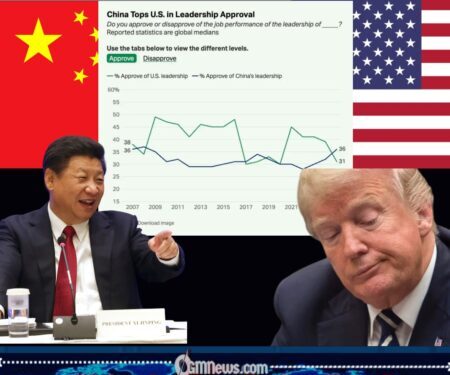
China has surpassed the United States in global approval ratings for 2025, with a median of 36% approving of China’s leadership compared with 31% for the U.S., according to data from Gallup. The five-percentage-point advantage marks the widest lead China has held over the U.S. in nearly two decades, signaling a notable shift in global perception and influence. The findings reflect a changing international landscape where reputation, diplomacy, and economic engagement increasingly shape how nations are viewed across the world.
Shifting Global Perception
The rise in approval for China has been attributed by analysts to its expanding economic initiatives and strategic partnerships across regions such as Africa, Asia, and Latin America. Investments in infrastructure and trade agreements have strengthened China’s presence globally, positioning it as a key partner for many developing nations. These efforts have contributed to a growing perception of China as a reliable economic collaborator.
At the same time, global views of the United States appear to be more divided. While the U.S. continues to maintain strong alliances and influence in global institutions, its approval rating suggests increasing scrutiny of its foreign policy approach. Observers note that international perception is often shaped not only by policy outcomes but also by consistency, messaging, and diplomatic engagement.
Implications for U.S. Leadership
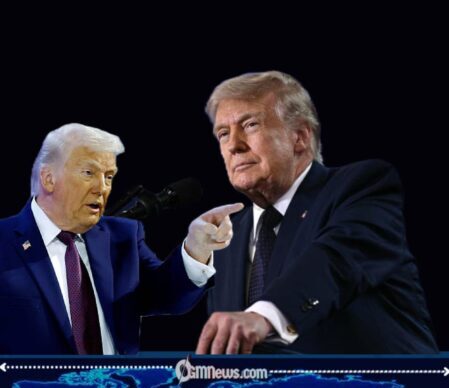
Under President Donald J. Trump, the United States faces a complex global image shaped by both assertive policy decisions and ongoing domestic political dynamics. Supporters argue that U.S. leadership remains a dominant force in global security and economic systems, while critics suggest that fluctuating policies and tensions with allies may be contributing to declining approval abroad.
The five-point gap highlighted by Gallup underscores a broader competition not just for power, but for global trust and credibility. As nations increasingly weigh partnerships based on both strategic and reputational considerations, approval ratings such as these may influence diplomatic alignments and long-term geopolitical strategies.
The latest data points to an evolving global order in which perception plays a critical role alongside traditional measures of power. While the United States continues to hold significant influence, China’s growing approval suggests a shift that could redefine international relationships in the years ahead.

[…] […]