














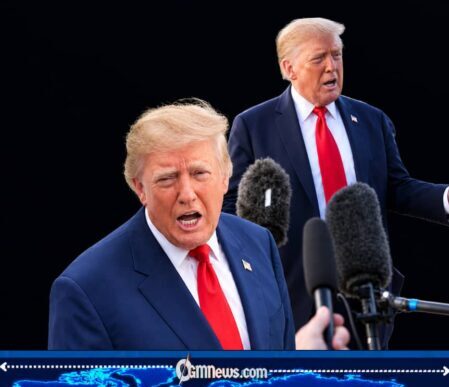
Wes Moore, criticized former President Donald Trump for discussing potential Medicare cuts, framing the issue as a serious and deeply consequential concern for millions of Americans who rely heavily on the program for their healthcare needs. He emphasized that even raising the possibility of cuts sends a troubling signal to seniors, retirees, and vulnerable populations who depend on Medicare for stability, access to treatment, and financial security. His remarks quickly gained traction across political and media circles, intensifying the broader debate.
The issue of Medicare has long been one of the most sensitive and politically charged topics in the United States, as it directly affects the well-being of older citizens and those with disabilities. Moore’s comments come at a time when healthcare affordability, rising medical costs, and long-term sustainability of entitlement programs are at the forefront of national discourse, making the conversation even more significant.
Supporters of the program argue that Medicare represents a foundational pillar of the country’s social safety net, providing essential care and peace of mind for millions. They warn that any suggestion of cuts—whether immediate or long-term—could erode public confidence and create uncertainty among those who rely on it daily.
Concerns About Healthcare Security
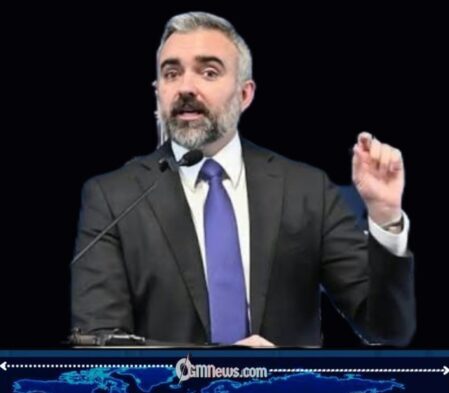
Wes Moore, argued that discussions about reducing Medicare benefits risk undermining the sense of security that the program is meant to provide, especially for seniors who often live on fixed incomes and cannot easily absorb increases in healthcare costs. He stressed that the fear generated by such conversations can have real psychological and financial effects on individuals already facing economic pressures.
He further explained that healthcare is not just a policy issue but a fundamental aspect of quality of life, and any instability in access to care can have cascading consequences. For many Americans, Medicare is the difference between receiving necessary treatment and going without, making its protection a matter of urgency.
Advocacy organizations and healthcare experts have echoed these concerns, noting that stability and predictability are critical components of effective healthcare systems. They argue that maintaining trust in programs like Medicare is essential for both individual well-being and broader public health outcomes.
Wes Moore and Political Accountability
Wes Moore, called for greater accountability among political leaders when discussing policies that directly impact millions of lives, emphasizing that words alone can shape public perception and influence real-world outcomes. He argued that leaders must approach healthcare discussions with care, responsibility, and a clear understanding of the stakes involved.
He highlighted that public statements about programs like Medicare are not made in a vacuum, as they can trigger reactions in financial markets, healthcare planning, and personal decision-making among citizens. This, he suggested, makes it even more important for policymakers to communicate clearly and responsibly.
Political analysts note that Moore’s focus on accountability reflects a broader strategy aimed at framing the debate in terms of leadership responsibility and public trust, rather than purely partisan disagreement. This approach may resonate with voters who prioritize stability and transparency.
Broader Policy Debate
Wes Moore, comments are part of a much larger and ongoing debate about how to manage federal spending while ensuring the sustainability of key entitlement programs like Medicare. Lawmakers remain divided on whether reforms should focus on cost reduction, increased funding, or structural changes to the system.
Some policymakers argue that without adjustments, programs like Medicare could face long-term financial challenges, necessitating difficult decisions. Others counter that solutions should focus on expanding resources and improving efficiency rather than reducing benefits.
This divide highlights fundamental ideological differences about the role of government in providing healthcare and social support, making the issue not just a policy question but a reflection of broader political values.
Public and Political Reactions
Wes Moore, statements have generated strong reactions from both supporters and critics, with many praising his stance as a necessary defense of healthcare protections, while others argue that discussing reforms should not be dismissed outright. The intensity of the reactions underscores how deeply personal and impactful the issue is.
Public response has been particularly notable, as individuals and advocacy groups voice their concerns and opinions through various platforms, reflecting the widespread importance of Medicare in everyday life. These reactions often shape the direction of political conversations.
Media coverage has amplified the debate, bringing increased attention to the implications of potential policy changes and ensuring that the issue remains a central topic in national discussions.
Looking Ahead
Wes Moore, indicated that the conversation around Medicare will continue to evolve, particularly as policymakers grapple with balancing fiscal responsibility and the need to protect essential services. He suggested that the issue will remain a key focus in upcoming political debates and elections.
The path forward is likely to involve complex negotiations, as lawmakers attempt to find common ground on a topic that is both economically significant and emotionally charged. The outcome will have lasting implications for millions of Americans.
As the debate progresses, the central challenge will be finding solutions that preserve the integrity of Medicare while addressing long-term concerns, ensuring that the program continues to serve future generations effectively and reliably.

Logging in is a breeze and the site stability is amazing even during peak hours....