
















Trump has encountered another courtroom setback after a federal judge blocked his administration from enforcing anti-DEI conditions attached to certain federal grants involving California and Oregon. The decision adds fresh momentum to a growing legal battle over how much authority the executive branch has to attach policy demands to federal funding, with supporters calling the move a defense of taxpayer interests and critics arguing it stretches presidential power beyond constitutional limits. As another dispute lands before the courts, Washington’s familiar script—executive action followed by judicial intervention—appears to have received yet another sequel.
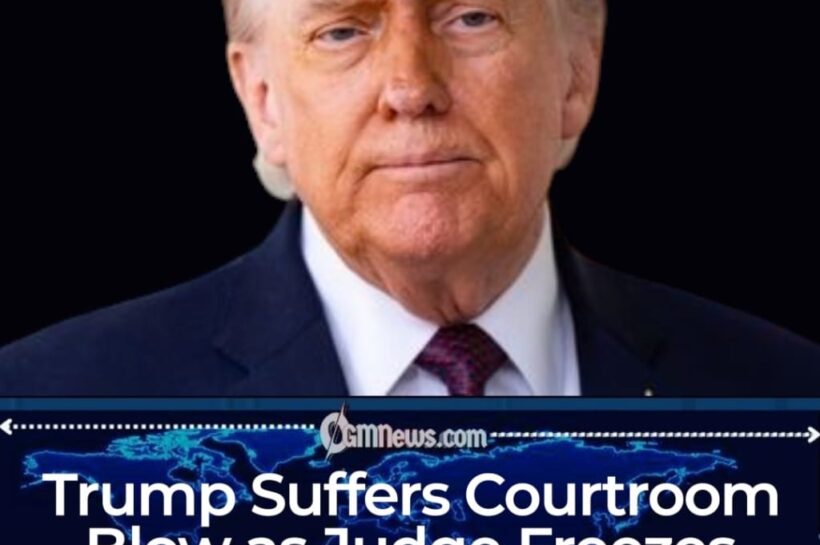
Trump Suffers Courtroom Blow as Judge Freezes Anti-DEI Grant Push
President Donald J. Trump’s administration introduced anti-DEI conditions requiring recipients of selected federal grants to comply with new federal directives affecting diversity, equity and inclusion initiatives. California and Oregon, joined by other public entities, challenged the policy, arguing that the administration lacked the legal authority to impose conditions that were not specifically authorized by Congress or directly connected to the purpose of the grants.
A federal judge agreed that the challengers had raised substantial legal questions and issued a preliminary injunction preventing enforcement while the lawsuit proceeds. Although the ruling does not permanently invalidate the policy, it temporarily prevents the administration from implementing the disputed grant conditions in the affected jurisdictions. For now, Trump’s anti-DEI funding initiative remains paused as the legal arguments continue to unfold in federal court.
Court Challenges Trump’s Power Over Federal Grant Conditions
The latest dispute reflects a broader national debate surrounding diversity, equity and inclusion programs that has spread across education, public health, scientific research, federal contracting and state government. Since returning to office, President Trump has pursued several executive actions designed to reduce or eliminate DEI-related requirements within federally supported programs, arguing that government resources should focus on merit-based standards and equal treatment under existing civil rights laws.
Opponents, however, contend that many of the administration’s actions attempt to reshape public policy through executive authority rather than legislation passed by Congress. Legal scholars note that federal courts are increasingly being asked to determine where presidential authority ends and congressional control over federal spending begins. In that sense, the Anti-DEI debate is no longer simply about workplace or educational policies—it has become another constitutional test of executive power.
Anti-DEI Battle Explodes After Judge Rejects Trump’s Funding Conditions
The courtroom battle also illustrates how politically divided states continue to challenge major federal initiatives through litigation, making judges some of the most influential referees in America’s policy disputes. Supporters of the administration insist that attaching conditions to federal grants is a legitimate way to ensure taxpayer funds align with presidential priorities, while critics argue that allowing such broad discretion could enable future administrations of either party to reshape federal funding based largely on ideology.
For many Americans, the legal drama has become almost predictable. Washington announces a policy, state attorneys general race to the courthouse, lawyers exchange constitutional arguments, and judges temporarily press the pause button while everyone debates who actually has the final whistle. Behind the satire, however, lies a serious constitutional question whose answer could influence federal grant policies for years to come.
As appeals appear increasingly likely, Trump and the Anti-DEI dispute will remain under intense judicial and political scrutiny. Whether higher courts ultimately uphold or overturn the injunction may not only determine the future of these grant conditions but also shape the balance of power between the White House, Congress and the federal judiciary. OGM News Nigeria will continue monitoring developments as this closely watched legal battle progresses.
[…] […]