



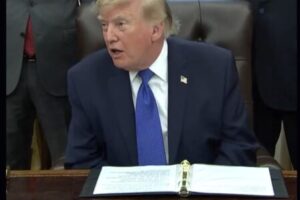



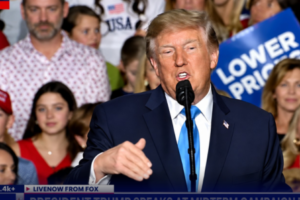




















President Donald J. Trump, the current president of the United States, has once again thrust Housing Reform into the centre of a heated political battle after declaring that he will not sign a bipartisan housing package unless Congress also sends his preferred election reform legislation to his desk. The unexpected move has reignited debate over whether unrelated national priorities should be linked together, leaving lawmakers, housing advocates and millions of Americans wondering whether a rare bipartisan breakthrough has become another casualty of Washington’s increasingly combative politics.
Housing Reform Based On Divided Congress
Housing Reform appeared destined to become one of the few major bipartisan achievements in an otherwise deeply divided Congress. The legislation, widely known as the 21st Century ROAD to Housing Act, won overwhelming approval in both the House of Representatives and the Senate after months of negotiations aimed at easing America’s housing shortage, encouraging new home construction and making home ownership more attainable for working families.
The political momentum changed dramatically when President Trump announced that he would withhold his signature in protest over the Senate’s failure to pass the SAVE America Act, an election reform proposal he has strongly championed. In his social media statement, the president argued that election integrity deserves greater urgency than the housing legislation, effectively linking the fate of Housing Reform to an entirely separate policy debate. Despite his refusal to sign the bill, constitutional procedures mean the legislation can still become law if it is neither signed nor vetoed within the prescribed period while Congress remains in session.
Political Gamble With Broad Bipartisan Backing
The latest Housing Reform dispute highlights the growing trend of high-stakes political bargaining in Washington, where legislation with broad bipartisan backing can still become entangled in unrelated policy disagreements. Analysts note that house affordability has become one of the country’s most pressing economic concerns, with high mortgage rates, elevated rents and limited housing supply continuing to strain household budgets across the United States. The bipartisan package seeks to accelerate residential development, streamline certain environmental reviews and curb the concentration of single-family homes in the hands of large institutional investors.
The controversy has also drawn attention to the constitutional process governing presidential action on legislation. Because the bill passed Congress with overwhelming bipartisan support, the president’s refusal to sign does not necessarily prevent it from taking effect. Instead, unless a formal veto is issued, the legislation can automatically become law after the constitutional review period expires while Congress remains in session. Political observers say the episode illustrates both the limits of presidential leverage and the continuing tension between policy objectives and political strategy as lawmakers head toward another intense election season.
Whether President Trump’s strategy ultimately strengthens his push for election reform or simply delays a long-awaited housin initiative remains to be seen. For now, Housing Reform has become more than a debate over homes—it has evolved into another high-profile contest over political influence, legislative priorities and presidential bargaining. OGM News will continue monitoring developments as Congress and the White House determine the next chapter in this unfolding story.


[…] […]