



















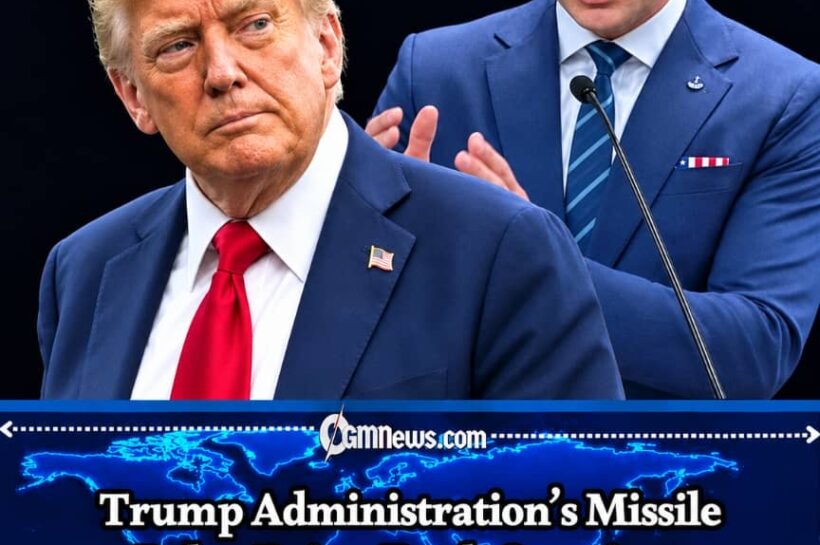





President Donald Trump is once again at the centre of a heated foreign policy dispute after Democratic lawmakers introduced legislation aimed at preventing his administration from approving the sale of America’s most advanced fighter aircraft to Turkey. The proposal has sparked fresh debate over national security, congressional oversight and the future of one of Washington’s most strategically important alliances. As supporters defend Trump’s diplomatic approach and critics warn of possible security consequences, the controversy is rapidly developing into one of the administration’s most closely watched defence battles.
Trump Faces Fresh Democratic Push to Block Turkey Fighter Jet Deal
Democratic lawmakers argue that America’s most advanced fighter aircraft should not be transferred to Turkey while longstanding security concerns remain unresolved. Their proposal seeks to prevent President Trump from moving forward with any potential sale, with supporters of the bill pointing to Turkey’s continued possession of the Russian-made S-400 air defence system, a purchase that previously led to the country’s removal from the multinational F-35 programme. Critics also cite broader concerns over Turkey’s military operations and regional policies, arguing that these issues deserve careful consideration before any future defence cooperation expands.
The White House and many of Trump’s allies see the situation differently. They maintain that Turkey remains an indispensable NATO ally occupying one of the world’s most strategic geographical positions. Supporters argue that rebuilding defence cooperation could strengthen the alliance during a period marked by growing geopolitical competition and regional instability. From their perspective, engagement with allies—even those with complicated relationships—can serve long-term American interests better than prolonged diplomatic isolation.
Trump’s Fighter Jet Push Raises Questions About America’s Security Priorities
The renewed debate extends far beyond a proposed fighter jet sale. It has reopened broader questions about how the United States should balance national security with diplomatic engagement. Turkey continues to play an important role within NATO while maintaining complex ties with Russia and neighbouring countries, creating a delicate strategic equation that has challenged successive American administrations. The latest dispute once again places President Trump’s foreign policy decisions under intense political and public scrutiny.
The controversy also highlights the constitutional balance of power between Congress and the presidency. Although the executive branch negotiates foreign military sales, lawmakers possess significant authority to review, delay or oppose such agreements whenever they believe national security could be affected. Regardless of whether the proposed legislation ultimately succeeds, the political battle demonstrates that major defence decisions remain subject to intense bipartisan examination. With tensions across Europe and the Middle East continuing to evolve, the outcome could influence not only U.S.-Turkey relations but also America’s broader defence strategy for years to come.
As debate intensifies on Capitol Hill, the fate of the proposed legislation remains uncertain. What is clear, however, is that Trump’s approach toward Turkey has become a defining test of his foreign policy, with allies and opponents alike watching closely to see whether diplomacy, strategic necessity or congressional resistance will ultimately prevail. OGM News will continue to monitor developments as this story unfolds.


Logging in is a breeze and the site stability is amazing even during peak hours....