







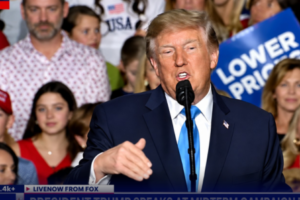



















Iran assassination plot allegations have reignited international security concerns after Israel reportedly shared intelligence with the United States indicating that Tehran had devised a new plan to assassinate President Donald J. Trump. Although officials have not publicly released evidence or operational details surrounding the alleged plot, the intelligence has reportedly been treated with urgency by American authorities. The revelation comes at a time of heightened tensions in the Middle East, raising fresh questions about regional stability, diplomatic relations and the possibility of another dangerous escalation between long-standing adversaries.
Israel’s Intelligence Warning Raises New Security Questions
According to sources familiar with the matter, Israeli intelligence officials recently informed their U.S. counterparts that Iran had developed a fresh assassination plan targeting President Donald J. Trump. While the reported intelligence has not been publicly verified, officials have deliberately withheld details regarding the alleged method, timeline or individuals involved, citing the sensitive nature of intelligence operations. As with many national security matters, governments often assess classified information long before it is made available to the public.
The report has immediately drawn international attention because it places President Trump back at the centre of an ongoing security concern that has shaped U.S.-Iran relations for several years. Intelligence sharing between allies is a routine part of global security cooperation, but such warnings often carry significant diplomatic implications. Until further evidence emerges, the alleged plot remains an intelligence assessment rather than a publicly established fact, even as security agencies continue evaluating its credibility.
Regional Tensions Provide Broader Context to the Alleged Threat
The reported Iran assassination plot is unfolding against a backdrop of years of hostility between Iran, Israel and the United States. Much of the current tension traces back to the January 2020 U.S. drone strike that killed Iranian General Qassem Soleimani, an operation ordered during President Donald J. Trump’s previous administration. Since then, U.S. authorities have repeatedly warned of Iranian threats against current and former American officials, while Iran has consistently denied involvement in alleged assassination plots despite maintaining its condemnation of Soleimani’s killing.
The latest intelligence also comes amid renewed instability across the Middle East, where military confrontations, proxy conflicts and diplomatic disputes continue to shape regional politics. Security analysts note that intelligence reports frequently influence government planning even before they can be independently confirmed. In the world of international affairs, classified warnings often travel faster than public evidence, leaving diplomacy to navigate a landscape where caution is essential and certainty is often in short supply. It is yet another reminder that when geopolitical rivals exchange warnings instead of handshakes, the rest of the world pays close attention.
The reported Iran assassination plot has once again placed security, diplomacy and regional stability under intense global scrutiny. Whether the intelligence ultimately proves to reveal an imminent threat or becomes another unresolved chapter in the decades-long rivalry between Iran, Israel and the United States remains to be seen. OGM News will continue to monitor official statements and verified developments as more information becomes available.

[…] […]