









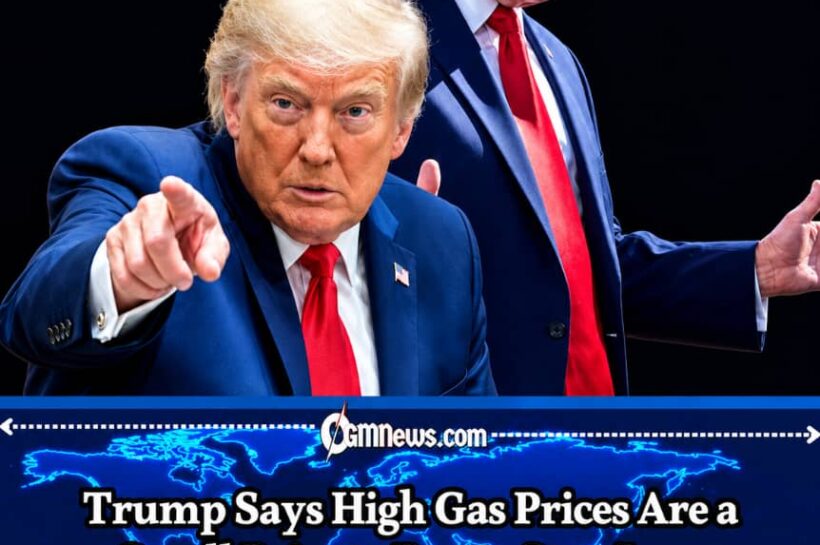
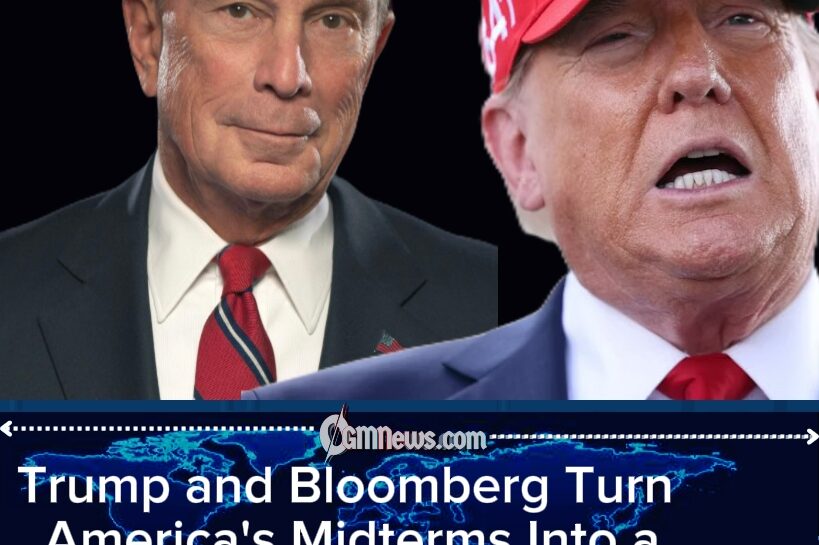




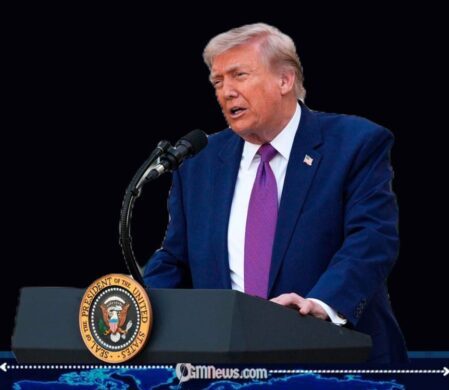
Communist rhetoric has once again become a defining feature of President Donald Trump’s political messaging as the United States moves toward the crucial midterm elections, reigniting a decades-old debate over fear-based campaigning and ideological labeling. Trump’s latest warnings about a supposed “communist menace” have generated intense political reactions, with supporters arguing he is defending traditional American values while critics contend the language revives Cold War-era tactics designed to distract from pressing domestic and foreign policy challenges.
Communist Rhetoric Dominates Midterm Campaign Strategy
During America’s 250th anniversary celebrations at Mount Rushmore, Trump portrayed what he described as a renewed communist threat, arguing that radical ideas promoted by political opponents and some immigrants stand in direct opposition to American values. He framed the political contest in stark terms, declaring that citizens must choose between patriotism and communism. The remarks immediately intensified political divisions, with Democrats rejecting the accusations as baseless and politically motivated.
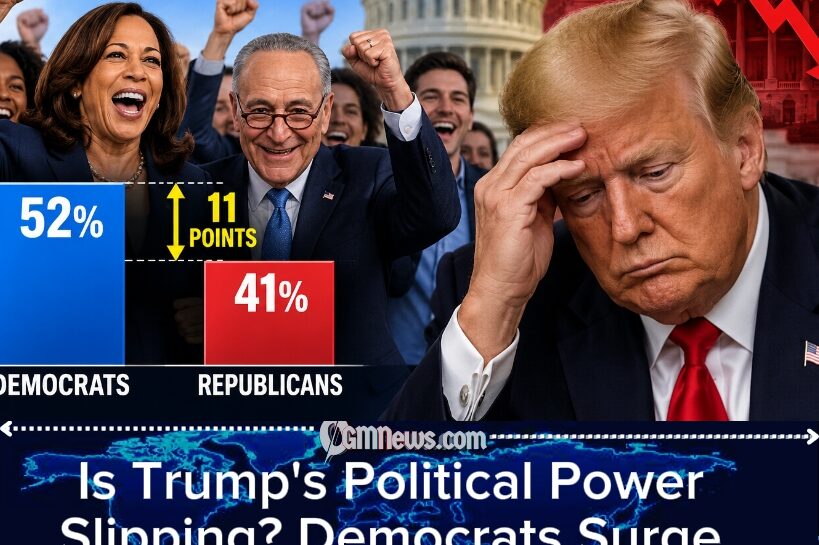
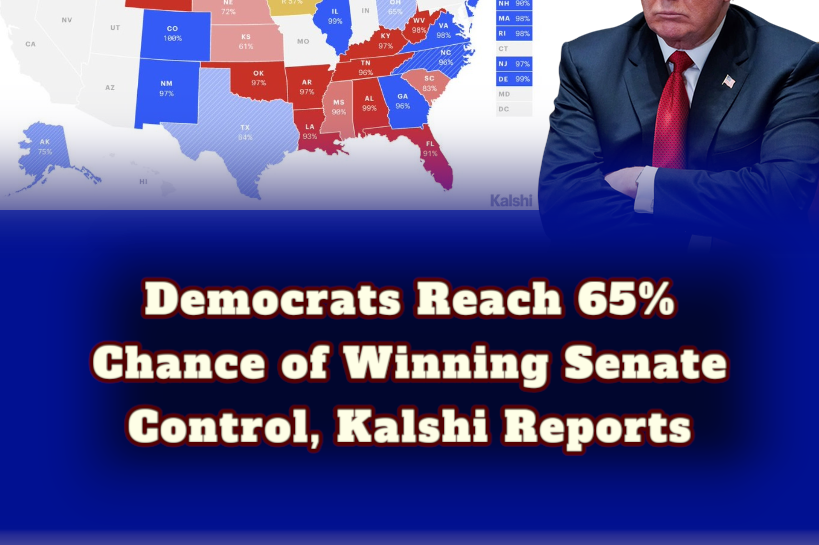
The renewed emphasis on anti-communist messaging comes at a time when the administration continues to face scrutiny over inflation, economic uncertainty, foreign policy disputes and immigration enforcement. Political analysts note that these issues are expected to dominate voters’ concerns ahead of the midterm elections. Critics argue Trump’s rhetoric seeks to shift public attention away from these challenges by portraying progressive policies such as expanded healthcare, affordable education and higher taxes on the wealthiest Americans as evidence of ideological extremism rather than policy disagreements.
Communist Label Revives Historic Political Tactics
The use of the communist label has a long and controversial history in American politics. Following the Second World War, accusations of communist sympathies became powerful political weapons during the early Cold War, culminating in the era commonly associated with Senator Joseph McCarthy. Historians widely agree that McCarthy’s investigations and allegations damaged countless careers while fostering an atmosphere of fear, despite many accusations lacking credible evidence. The period remains one of the most debated chapters in modern American political history.
Political observers say Trump’s latest messaging echoes that historical strategy by presenting ideological conflict as a defining election issue. While conservatives argue the warnings reflect legitimate concerns over socialism and government expansion, critics counter that branding mainstream political opponents as communists risks oversimplifying complex policy debates and deepening national polarization. Public opinion surveys in recent years have consistently shown that many individual policies championed by progressive lawmakers—including expanded healthcare access and family support programs—receive varying levels of bipartisan public support even when the broader ideological labels remain politically divisive.
As the midterm campaign intensifies, the debate over communist rhetoric is likely to remain a central feature of America’s political conversation. Whether the strategy strengthens Trump’s political standing or further energizes his opponents will become clearer as voters head toward the ballot box. OGM News will continue monitoring developments, campaign messaging and voter sentiment as the election season unfolds.

Logging in is a breeze and the site stability is amazing even during peak hours....