
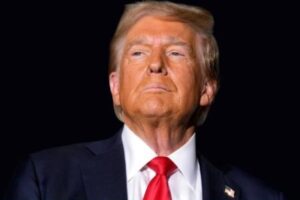








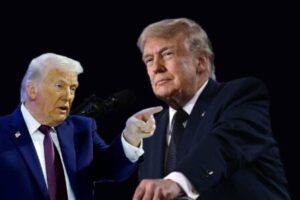
















Trump’s declassification order has once again thrust the 2020 U.S. election into the center of national politics, after President Donald J. Trump confirmed that Acting Director of National Intelligence Bill Pulte has broad authority to release classified records, including documents connected to the controversial election. The announcement has renewed intense public curiosity over what, if anything, remains hidden inside government archives, while raising fresh questions about transparency, national security, and political timing.
Trump Expands Declassification Powers Amid Election Debate
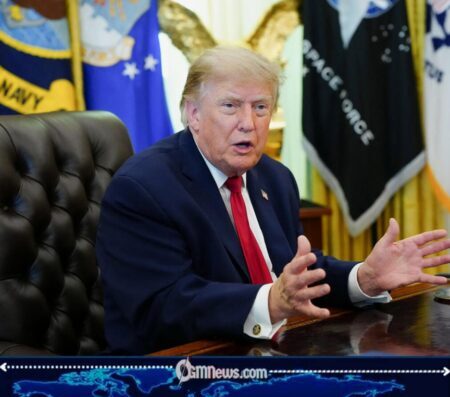
President Donald J. Trump told reporters that Bill Pulte has permission to declassify any records he considers appropriate during his temporary leadership of the Office of the Director of National Intelligence. When asked specifically whether that authority extended to documents relating to the 2020 election, Trump responded that he had granted such permission and suggested further questions should be directed to Pulte. The comments followed reports that a White House task force has been collecting records that could eventually be released to the public.
The Trump declassification order arrives during another politically sensitive period. Trump has continued advocating stricter election laws, including the SAVE Act, arguing that stronger voter identification requirements are necessary to protect election integrity. Democrats and voting-rights organizations oppose the proposal, warning that it could create additional barriers for eligible voters. At the same time, Bill Pulte continues serving in both his existing housing role and as acting intelligence chief while awaiting Senate action on the nomination of Jay Clayton to permanently lead the intelligence office.
Election Files Become the New Political Battlefield in Trump’s Second Term
The Office of the Director of National Intelligence oversees all 18 agencies within the U.S. intelligence community, including the Central Intelligence Agency and the National Security Agency, making any significant declassification decision potentially important beyond domestic politics. Although presidents possess broad authority over classified information through the executive branch, intelligence officials typically weigh national security risks, legal considerations, and the protection of sensitive sources before releasing documents.
The broader political context remains highly contentious. Numerous court decisions, state election officials from both political parties, and previous government reviews concluded that there was no evidence of widespread fraud sufficient to overturn the outcome of the 2020 presidential election, despite Trump’s continued objections.
Meanwhile, recent reports indicate that the administration is reviewing additional government records as part of a wider transparency effort. Whether the eventual releases produce meaningful new information or simply revive long-running political disputes remains uncertain. The satirical reality is that Washington often treats filing cabinets like blockbuster movie trailers—everyone debates what is inside long before anyone sees the full script.
The Trump declassification order is likely to remain a major political story until officials clarify which records, if any, will actually become public. OGM News will continue monitoring Senate developments surrounding the intelligence leadership transition, any official document releases, and the wider debate over election transparency, government accountability, and public trust.

[…] […]