




























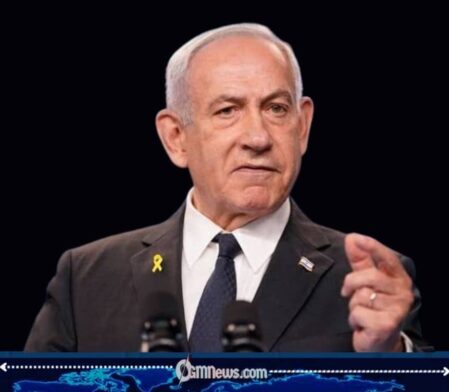
Iran War remains at the centre of Israel’s national security strategy despite the reduction in direct hostilities with Tehran. Israeli Prime Minister Benjamin Netanyahu has declared that the conflict is “not over,” arguing that emerging regional dynamics—including what he described as Turkey’s expanding influence and rapidly changing alliances—require Israel to remain prepared for every possible scenario. His remarks underscore a broader concern that today’s military pause could simply be tomorrow’s strategic reset.
Regional Alliances: Israel Warns Security Challenges Are Expanding Beyond Iran
Netanyahu stated that while direct exchanges with Iran have subsided, Israel continues to view the broader security environment as highly volatile. According to him, longstanding threats have not disappeared, while new geopolitical developments are creating additional strategic calculations. He emphasized that alliances across the Middle East are constantly evolving, with some partnerships strengthening as others weaken, requiring continuous reassessment by Israeli security planners.
The Iran War has therefore become more than a bilateral confrontation. Israeli officials increasingly frame it as part of a wider regional competition involving proxy groups, military capabilities, intelligence operations and shifting diplomatic relationships. Although Netanyahu specifically mentioned Turkey as an emerging challenge, Ankara has consistently rejected suggestions that it poses a military threat to Israel, while relations between the two countries have experienced repeated diplomatic tensions in recent years.
Netanyahu’s Turkey Warning Raises Fresh Questions About Israel’s Next Security Focus
Beyond the original statement, Netanyahu’s comments reflect a broader Israeli security doctrine that views military preparedness as essential even during periods of reduced fighting. In previous interviews, he argued that the campaign against Iran remains incomplete because Israel believes concerns surrounding Iran’s nuclear programme, missile capabilities and regional proxy networks have not been fully resolved.
Regional analysts note that the Middle East continues to experience significant geopolitical realignment. Competition among regional powers, ongoing conflicts in neighbouring states, and changing diplomatic partnerships have created an increasingly complex security environment. While governments frequently issue strong public statements to reinforce deterrence, such rhetoric does not necessarily indicate that military escalation is inevitable. Diplomatic engagement, international mediation and strategic restraint remain important factors that could influence future developments.
The Iran War is therefore likely to remain a defining issue in Middle Eastern politics for the foreseeable future. Whether shifting regional alliances ultimately produce greater stability or renewed confrontation will depend on decisions made not only in Jerusalem and Tehran, but also across the wider region. OGM News will continue monitoring developments as governments balance military preparedness with diplomatic efforts aimed at preventing another major regional escalation.


[…] […]