



























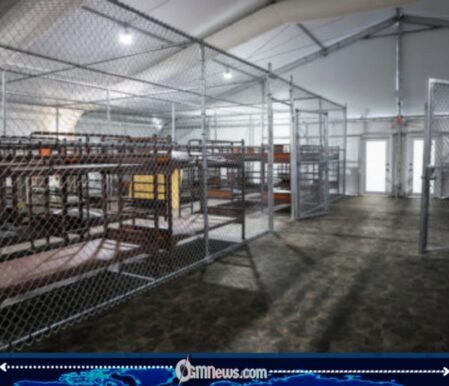
Alligator Alcatraz has become the latest flashpoint in the national immigration debate after the administration of President Donald J. Trump confirmed that all detainees have been transferred out of the Florida facility. Officials say the decision was made to protect detainees as the Atlantic hurricane season intensifies, but the move has also reignited questions about whether the controversial site has reached the end of its operational life. With legal disputes, human-rights allegations and cost concerns lingering in the background, the emptying of the facility has generated fresh scrutiny over what comes next.
Hurricane Season Forces Closure of Controversial Florida Detention Centre
Alligator Alcatraz was established in Florida’s Big Cypress region and quickly became one of the most recognisable symbols of aggressive immigration enforcement. Designed as a temporary detention centre capable of housing thousands of people, the facility drew national attention because of its isolated location and the public statements surrounding its security. Supporters argued that the remote wetlands made escape virtually impossible, while critics said the setting raised serious concerns about access to legal representation and essential services.
The Detainee Transfer announced this week effectively emptied the facility. Federal officials cited the beginning of hurricane season and concerns about severe weather as the primary reason for relocating detainees. The decision follows months of speculation regarding the future of Alligator Alcatraz, particularly after reports emerged suggesting that maintaining the site was proving increasingly expensive. While authorities have not formally declared a permanent shutdown, the transfer has intensified debate over whether the facility will ever resume operations.
Government Relocates Detainees from Alligator Alcatraz Amid Safety Concerns
Throughout its existence, Alligator Alcatraz faced opposition from multiple directions. Indigenous communities raised concerns about the impact of construction and operations on environmentally and culturally significant land near the Everglades. At the same time, immigrant-rights advocates and legal organisations challenged conditions within the facility, alleging barriers to attorney access, inadequate medical care and other humanitarian concerns. Several lawsuits and formal complaints followed, placing the detention centre under continuous public examination.
The timing of the Detainee Transfer also reflects broader realities facing detention infrastructure in hurricane-prone regions. South Florida routinely faces threats from tropical storms between June and November, and emergency preparedness remains a critical issue for facilities housing large populations. The arrival of Tropical Storm Arthur as the season’s first named storm has highlighted those risks. Whether Alligator Alcatraz remains a dormant facility, undergoes restructuring or is permanently closed may ultimately depend on political decisions, legal outcomes and future assessments of its operational viability.
The story of Alligator Alcatraz is unlikely to end with an empty facility. As policymakers, advocates and local communities continue to debate immigration enforcement, the Detainee Transfer may be remembered either as a temporary precaution or as the moment a controversial chapter quietly came to a close. OGM News will continue monitoring developments surrounding Alligator Alcatraz and the broader immigration policies that shaped its rise and uncertain future.



подъем дома междуреченск