


















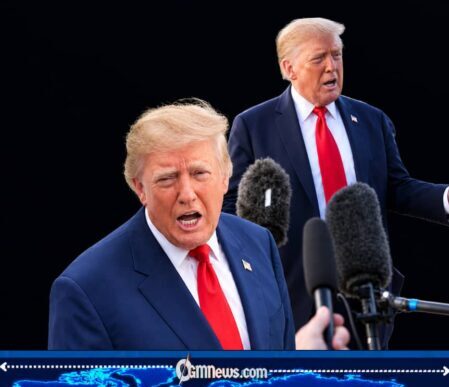
NATO Tensions erupted into public view after President Donald J. Trump sharply criticized Italy and its Prime Minister for declining to become involved in the confrontation with Iran. The remarks have triggered debate across diplomatic circles because they appeared to link decades of American support for NATO allies with expectations of military cooperation during international crises. While supporters view the comments as a call for fair burden-sharing, critics argue that the president’s words risk transforming long-standing alliances into transactional relationships measured by perceived returns on investment.
The controversy emerged after Trump declared that the United States had spent trillions of dollars supporting NATO, Italy, and European security, only to see Italy decline participation in actions involving Iran. The statement immediately generated reactions because it touched upon one of the most sensitive questions in international politics: what exactly do allies owe one another when conflict arises? As diplomats and analysts examined the remarks, a broader conversation began about the future of Western alliances in an increasingly unpredictable world.
NATO Tensions Expose Growing Expectations Among Allies
The immediate issue centers on Trump’s frustration with Italy’s refusal to become involved in military operations related to Iran. The president’s comments suggested that America’s extensive investments in collective defense should be matched by greater willingness from allies to support U.S.-led initiatives during periods of geopolitical tension.
In the wider NATO Tensions debate, observers note that burden-sharing has long been a source of disagreement within the alliance. American presidents from both parties have periodically argued that European members should contribute more to their own defense. However, critics contend that military alliances are built on mutual defense commitments rather than automatic participation in every conflict involving a partner nation. This distinction has become central to the latest controversy.
Alliance Politics Beyond the Latest Dispute
Italy’s cautious position reflects a broader European tendency toward restraint when confronting volatile situations in the Middle East. Many governments remain concerned about the economic, humanitarian, and security consequences of wider regional conflicts. As a result, diplomatic engagement is often preferred over direct military involvement whenever possible.
The broader Alliance Politics discussion reveals how alliances are evolving in the twenty-first century. NATO was originally established as a collective defense organization focused on protecting member states from external threats. Over time, however, debates have emerged regarding how far alliance obligations extend beyond the alliance’s core territory and whether political support should always translate into military participation.
Adding a touch of irony, the latest dispute has prompted jokes among commentators that some allies now feel they are receiving annual performance reviews from Washington. While humorous on the surface, the underlying issue is serious. Differences over expectations, responsibilities, and strategic priorities can create friction even among long-standing partners.
As OGM News continues monitoring developments, the significance of NATO Tensions may extend far beyond the current disagreement with Italy. The episode highlights a growing debate over whether modern alliances are partnerships of shared values, arrangements based on mutual interests, or increasingly transactional relationships shaped by political calculations. How leaders answer that question may define the future of international cooperation for years to come.


Logging in is a breeze and the site stability is amazing even during peak hours....