







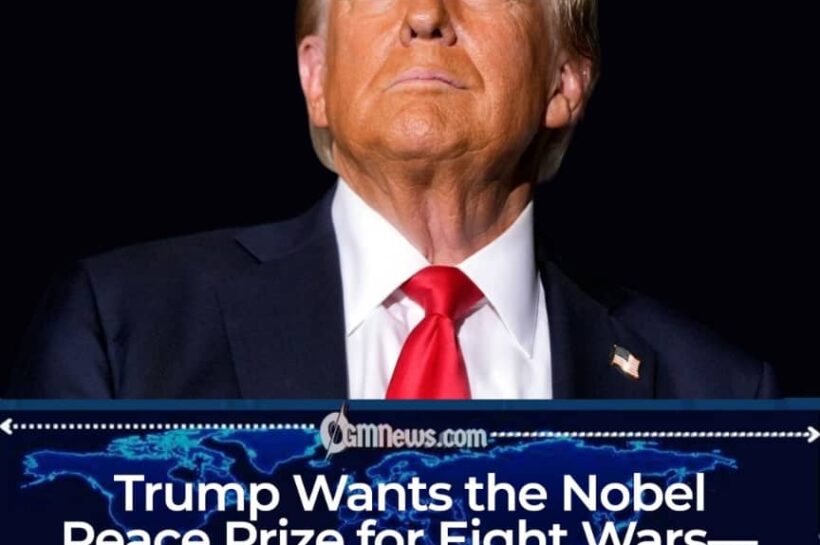














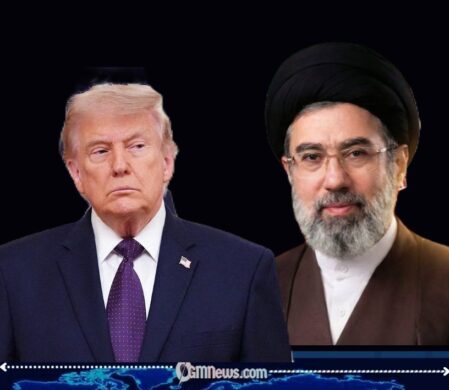
Trump’s Iran deal has become one of the most fiercely debated foreign policy initiatives of his second presidency, with critics from both major political parties accusing the administration of granting major concessions to Tehran while receiving few guarantees in return. The controversy intensified after President Donald Trump threatened fresh military action against Iran during ongoing peace negotiations in Switzerland, creating uncertainty over whether diplomacy and deterrence can coexist in the same strategy.
JD Vance Says Progress Made Despite Disputes Over Iran Agreement
The provisional memorandum of understanding between Washington and Tehran was intended to lay the foundation for ending months of military tensions and restoring stability in the Middle East. According to officials involved in the negotiations, the agreement includes discussions on reopening maritime trade routes, restoring nuclear inspections and easing certain economic restrictions on Iran as part of a broader peace framework.
However, Trump’s Iran deal immediately ran into political resistance. Senior Republicans and Democrats questioned the wisdom of permitting Iran greater economic flexibility before reaching a comprehensive nuclear agreement. Critics argued that the arrangement could provide Tehran with resources to rebuild military capabilities while offering only vague promises regarding future compliance. Matters became more complicated when Trump’s social media threats against Iran reportedly prompted members of the Iranian delegation to temporarily leave the negotiating venue in Switzerland.
Republicans and Democrats Unite Against Trump’s Iran Gamble
The political backlash surrounding Trump’s Iran deal reflects longstanding divisions in American foreign policy. Several lawmakers have argued that previous agreements with Iran imposed stricter conditions on sanctions relief and access to frozen assets. Some former officials contend that concessions should only follow verifiable nuclear commitments and not precede them.
Additional reports from the latest negotiations suggest that diplomats nevertheless made measurable progress. Vice-President JD Vance has described the talks as laying a strong foundation for a final peace agreement, with discussions reportedly including the return of international nuclear inspectors and mechanisms to safeguard shipping through the Strait of Hormuz. The negotiations, reportedly mediated by regional partners, have also been linked to efforts to reduce violence in Lebanon and stabilize global energy markets. Analysts note that oil prices have already reacted positively to signs of diplomatic progress, demonstrating how closely global economic stability remains tied to developments in the Gulf.
Trump’s Iran deal now stands at a crossroads. It may ultimately be remembered either as a bold diplomatic gamble that prevented a broader regional conflict or as an agreement that conceded too much too soon. For now, the negotiations continue under intense scrutiny, and OGM News will closely monitor whether the promises of peace can survive the politics of mistrust.
[…] […]