


























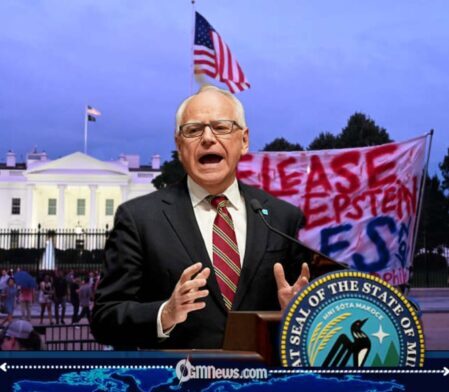
Governor Tim Walz and DOJ subpoenas controversy took a dramatic turn after a federal judge threw out grand jury subpoenas issued against Minnesota’s governor and several other state and local officials, ruling that the Justice Department’s actions were politically motivated, unconstitutional, and unsupported by a legitimate investigative basis. The decision has quickly become one of the most closely watched legal setbacks for the administration’s immigration enforcement agenda, with supporters of Walz calling it a victory for constitutional government and critics arguing that the underlying policy disputes remain unresolved.
The ruling has intensified debate over whether federal investigative powers were being used appropriately or whether the subpoenas crossed the line into political retaliation. For observers of American politics, the courtroom outcome offered yet another reminder that judges often become referees in disputes that elected officials cannot settle through politics alone.
Minnesota Officials Win Legal Fight Against Federal Subpoenas
The DOJ subpoenas were originally issued as part of an investigation into whether Minnesota officials obstructed federal immigration enforcement efforts during a controversial immigration operation earlier this year. Targets included Governor Tim Walz, Attorney General Keith Ellison, Minneapolis Mayor Jacob Frey, St. Paul Mayor Kaohly Her, and officials from Ramsey and Hennepin counties.
Chief U.S. District Judge Patrick Schiltz concluded that the subpoenas had “extremely weak to nonexistent” connections to any potential criminal violations and were instead aimed at pressuring Minnesota officials to assist federal immigration enforcement. The judge further found overwhelming evidence that the subpoenas were intended to harass and retaliate against officials because of their political and policy positions.
Political Retaliation? Judge Slams DOJ Probe Into Minnesota Democrats
The Tim Walz camp responded by portraying the ruling as proof that constitutional protections remain intact even during intense political disputes. Tim Walz described the decision as a victory for the rule of law and argued that elected officials must remain free to exercise their constitutional rights without fear of politically motivated investigations.
Beyond Minnesota, legal analysts suggest the ruling could become an important reference point in future disputes involving federal authority and state resistance to immigration policies. The decision also arrives amid broader national conversations about the independence of the Justice Department, the limits of executive power, and the role of courts in protecting constitutional boundaries.
For now, the Tim Walz and DOJ subpoenas dispute appears settled in court, but the political arguments surrounding immigration enforcement and federal-state relations are far from over. If anything, the ruling ensures that those debates will continue with renewed intensity, while both supporters and opponents claim the Constitution is firmly on their side. OGM News Nigeria will continue monitoring developments and any potential appeals or policy responses arising from this landmark decision.

Casinoabc999? Good Site. The interface is sleek, and there is a lot of stuff to...