















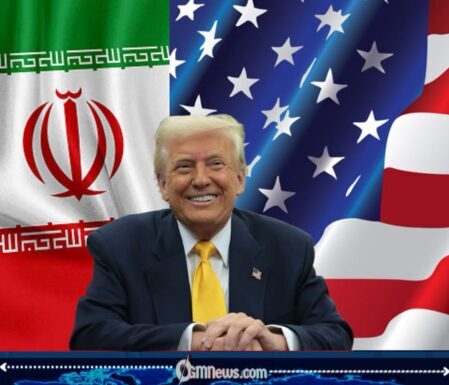
Oil prices slipped after high-level talks between the United States and Iran concluded in Switzerland, sending a strong signal that diplomacy can influence global markets just as quickly as conflict. Although no comprehensive agreement was announced, reports of constructive discussions and plans for further negotiations were enough to ease fears of immediate supply disruptions. The market’s reaction reflected growing investor confidence that progress in the talks could eventually allow more Iranian crude to return to international markets.
Diplomatic Breakthrough Sparks Market Optimism
The talks in Switzerland marked one of the most significant diplomatic engagements between the two countries in recent months. Discussions reportedly covered Iran’s nuclear programme, regional security, maritime safety in the Strait of Hormuz and possible pathways toward reducing tensions. While negotiators stopped short of announcing a final deal, both sides agreed to continue discussions under a structured roadmap, giving financial markets reason to anticipate further progress.
Oil traders responded almost immediately. Expectations that sanctions on Iranian exports could eventually be eased prompted investors to reassess future global supply levels. Even without any immediate policy changes, the prospect of additional barrels reaching international markets placed downward pressure on crude prices, demonstrating how expectations alone can move commodity markets before any agreement is formally signed.
Global Oil Market Watches Every Diplomatic Move
The decline in oil prices extends beyond the outcome of a single meeting. Iran remains one of the world’s largest holders of proven crude reserves, meaning any increase in its exports could significantly affect the balance between global supply and demand. Analysts note that markets are increasingly driven not only by current production levels but also by political developments capable of reshaping future energy flows.
Despite the market’s optimistic response, uncertainty remains. Negotiations involving long-standing geopolitical disputes rarely follow a straight path, and any breakdown in discussions or renewed tensions in the Strait of Hormuz could quickly reverse recent gains in market confidence. Investors, governments and energy companies will therefore continue monitoring each stage of the negotiations for signs of either lasting progress or renewed instability.
Oil remains one of the world’s most politically sensitive commodities, and its price often reflects diplomatic developments as much as economic fundamentals. While the latest talks have temporarily eased market concerns, lasting stability will ultimately depend on whether dialogue produces meaningful agreements. OGM News will continue following developments as negotiations progress and assess what they mean for energy markets, businesses and consumers worldwide.


Logging in is a breeze and the site stability is amazing even during peak hours....