







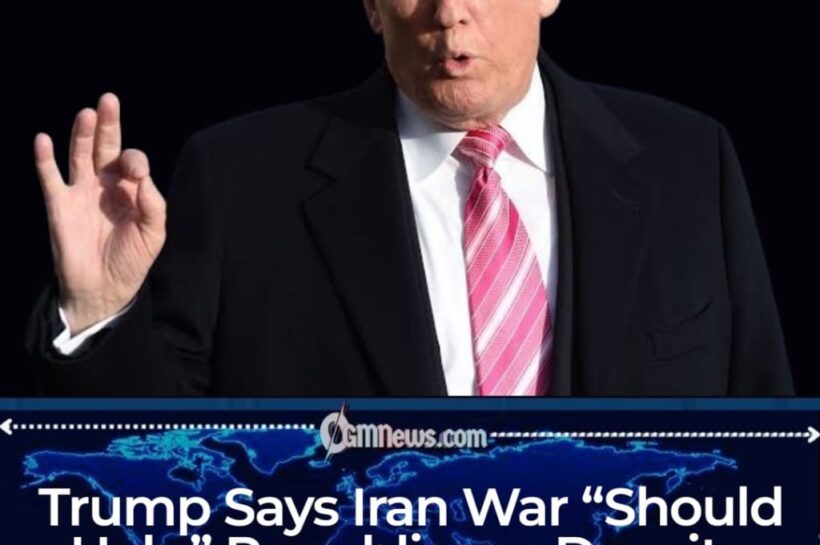












Trump and Iran have once again become the focus of global attention after fresh military exchanges raised concerns that diplomatic efforts are losing ground to force. Reports of missile attacks and retaliatory actions come amid growing scrutiny of the Trump administration’s approach toward Tehran, particularly after repeated public assurances that a breakthrough agreement was only days away. The latest developments have intensified debate over whether Washington’s strategy strengthened its negotiating position or inadvertently provided Iran with an opportunity to gain leverage.
Diplomacy Sent to the Bench as Missiles Become the New Negotiators
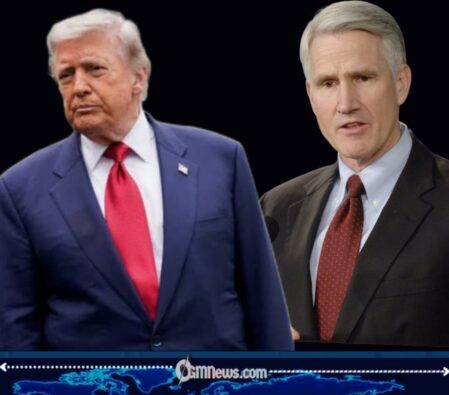
The immediate controversy stems from comments by retired US General Mark Kimmitt, who argued that President Donald J. Trump may have unintentionally weakened his bargaining position by repeatedly announcing that a deal with Iran was imminent. According to Kimmitt, those public declarations signaled impatience and allowed Tehran to recognize that Washington was eager for a diplomatic breakthrough.
Kimmitt suggested that Iran responded by testing that patience at the negotiating table rather than on the battlefield. In his assessment, Tehran appeared willing to prolong discussions and challenge Washington’s expectations. As tensions increased, the administration’s response increasingly shifted from diplomatic engagement toward military action, reinforcing concerns that negotiations were giving way to confrontation.
US-Iran Tensions Rise After Fresh Exchange of Missiles
Recent reports indicate that Trump and Iran now find themselves caught in a renewed cycle of military exchanges despite continued references to diplomatic solutions. Multiple incidents involving missiles, drones, and retaliatory strikes have occurred in recent days, highlighting the fragile state of efforts aimed at reducing tensions. Analysts note that both sides continue to publicly discuss negotiations while simultaneously preparing for further confrontation.
Broader reporting on the conflict suggests that repeated flare-ups have complicated attempts to secure a durable agreement. Military actions around the Strait of Hormuz and elsewhere in the region have increased fears that even limited incidents could trigger wider instability. At the same time, observers have pointed to a growing credibility challenge surrounding public predictions of imminent diplomatic success, especially when such announcements are followed by new rounds of violence.
The latest chapter in the Trump-Iran standoff underscores a recurring reality of international diplomacy: deadlines can create urgency, but they can also reveal vulnerability. Whether the current escalation ultimately pressures both sides back toward negotiations or pushes them further toward confrontation remains uncertain. OGM News will continue monitoring developments as the situation evolves and as both Washington and Tehran attempt to balance diplomacy, deterrence, and domestic political pressures. Trump and Iran remain at the center of a story whose next chapter may be written either at the negotiating table or through another exchange of force.

[…] […]