







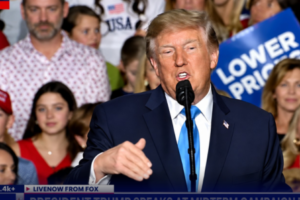


















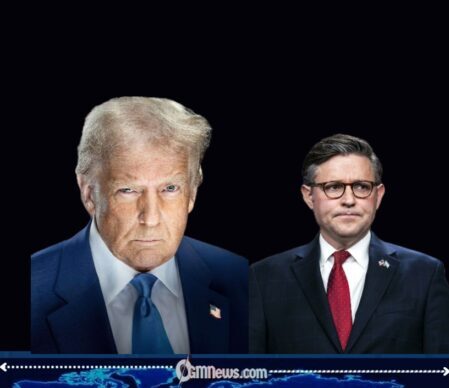
Inflation became the center of a fierce political controversy after President Donald Trump responded to new economic data showing prices rising at their fastest pace in three years by declaring, “I love the inflation.” The remark, delivered during a discussion about the latest Consumer Price Index figures, immediately generated confusion, criticism, and a wave of attempts by allies to clarify what the president intended. While supporters insist the statement has been misunderstood, opponents argue the episode highlights the growing disconnect between political messaging and the financial pressures facing ordinary Americans.
Inflation Rises to 4.2% as White House Predicts Future Economic Relief
The controversy emerged after economic data showed annual inflation reaching 4.2% in May, marking the third consecutive monthly increase and the highest level recorded since 2023. Much of the rise has been attributed to higher energy costs linked to ongoing tensions and military activity involving Iran, with fuel prices contributing significantly to broader increases across the economy.
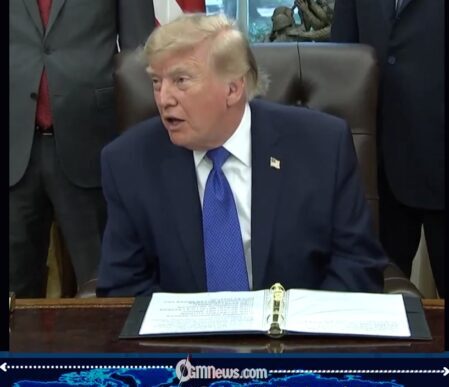
When asked whether he was concerned about the latest figures, President Trump dismissed worries and responded positively to the numbers before launching into comments about oil shipments, military operations, and expectations that prices would eventually decline. House Speaker Mike Johnson later argued that the president’s words had been taken out of context, suggesting Trump was expressing confidence that future inflation figures would look better once current geopolitical challenges are resolved. Johnson maintained that the administration remains focused on reducing costs and stabilizing economic conditions.
As Inflation Surges, Washington Debates Whether Trump Said What Everyone Heard
The broader backdrop to the debate is a rapidly changing economic environment shaped by both domestic policy and international events. Inflation has become one of the most closely watched indicators in American politics because it directly affects household budgets, borrowing costs, and consumer confidence. Recent data indicate that energy prices accounted for a substantial share of the latest increase, while core inflation remained comparatively lower, suggesting that fuel-related pressures are playing an outsized role in current price growth.
The Trump administration has argued that economic conditions remain stronger than many analysts expected during a period of military conflict and global energy uncertainty. Trump later sought to clarify his remarks by stating that he appreciated the inflatio figures because they were lower than he had anticipated under wartime conditions and predicted they would improve significantly after hostilities subside. However, political opponents and some commentators contend that the phrase itself may overshadow any subsequent explanation, especially as voters continue to prioritize affordability concerns ahead of upcoming elections.
As the debate continues, inflation remains more than just a statistic—it is a daily reality influencing the cost of fuel, groceries, housing, and transportation. Whether the administration’s explanation succeeds or not, the episode demonstrates how a few words can dominate national discussion at a time when economic confidence and political credibility are increasingly intertwined. OGM News will continue monitoring developments surrounding inflation, energy markets, and the administration’s response in the weeks ahead.
Casinoabc999? Good Site. The interface is sleek, and there is a lot of stuff to...