





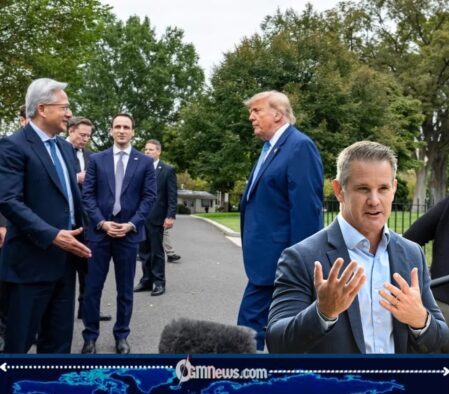
Adam Kinzinger’s Kalshi trades have drawn scrutiny from the Commodity Futures Trading Commission (CFTC) after the former Republican congressman placed wagers in late 2024 and early 2025 on whether he would receive a presidential pardon and whether then-President Joe Biden would issue preemptive pardons. Kinzinger has acknowledged the trades, saying he had no inside information and believed he was permitted to make them, while reporting indicates that Kalshi also reviewed the activity. The twist is difficult to miss: the political prediction market was apparently being used to predict a decision that would eventually affect the person placing the bet.
The Pardon Came True, the Bet Paid Off, and Regulators Came Calling
According to reporting based on people familiar with the matter, the CFTC is examining trades made through a Kalshi account linked to Kinzinger in December 2024 and January 2025. Kinzinger said he made roughly two dozen trades involving pardon-related contracts, wagered a total of $669 on the relevant positions and ultimately made $823. He has denied possessing material nonpublic information and said he reviewed Kalshi’s rules before trading. Importantly, an investigation or regulatory examination does not itself establish that he violated federal law.
The unusual nature of the pardon wager comes from what happened afterward. On January 19, 2025, Biden issued a full and unconditional pardon to members of the House committee that investigated the January 6 attack on the U.S. Capitol, as well as committee staff and certain police officers who testified before it. Kinzinger was among those covered by the pardon. The Justice Department’s official record confirms the action, meaning the prediction eventually matched reality — but the central regulatory question is whether the circumstances surrounding the trades violated applicable rules.
When the Prediction Is About Your Own Pardon, Regulators Start Asking Questions
The Kinzinger matter arrives as prediction markets face increasing regulatory attention. Kalshi allows users to trade contracts tied to future events, including political developments, while the CFTC has become an increasingly important regulator of the sector. Recent cases involving other traders have intensified questions about whether people with privileged access to information — or people who are themselves directly connected to an event — should be allowed to trade contracts concerning that event.
There is also a wider legal dispute over the regulatory status of prediction markets. In September 2026, a federal appeals court ruled that Ohio and Tennessee could regulate Kalshi under state gambling laws, rejecting Kalshi’s argument that federal commodities law completely preempted state authority. That ruling adds another layer to an already complicated regulatory environment, even though it concerns state jurisdiction rather than Kinzinger’s specific trades. In other words, the prediction-market industry is already playing one game with regulators while simultaneously trying to determine which referee actually has the whistle.
For now, the Kinzinger pardon trades remain a matter of regulatory scrutiny rather than a proven finding of wrongdoing. Kinzinger says he lacked advance information and believed his conduct complied with the rules, while the reported CFTC examination and Kalshi review will determine whether the trades raise violations under applicable regulations. With prediction markets expanding and regulators increasingly focused on potential insider trading, OGM News will be watching whether this unusual wager ends as a routine compliance inquiry or develops into a larger test of how political prediction markets should operate.
[…] […]