





















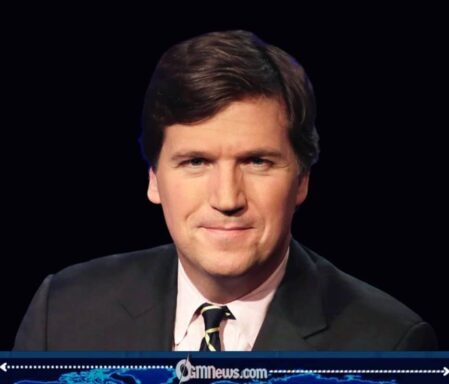
Iran Negotiations have become the focus of an increasingly public debate after commentator Tucker Carlson argued that President Donald Trump’s repeated but unsuccessful efforts to secure an agreement with Tehran reveal not only weaknesses in a specific negotiating strategy but also broader limits on American power itself. His remarks have reignited discussion about whether Washington can still compel geopolitical outcomes through pressure, military leverage, or diplomatic declarations alone. As tensions continue to simmer, the controversy raises uncomfortable questions about expectations versus reality in modern foreign policy.
Carlson Claims Washington Can No Longer Dictate Outcomes Abroad
Carlson’s criticism centered on the claim that announcing a deal numerous times without achieving a final agreement undermines the image of a successful negotiator. According to his argument, the repeated expectation of a breakthrough has gradually shifted attention away from Iran’s actions and toward the credibility of the promises themselves. The criticism is particularly notable because it comes from a figure who has often been associated with conservative political audiences rather than traditional foreign-policy critics.
The Iran negotiations have experienced repeated periods of optimism followed by setbacks. Recent reports indicate that diplomatic channels have remained active even amid military tensions and public threats from both sides. President Trump has continued to insist that Iran delayed negotiations and missed opportunities for agreement, while Iranian officials have maintained resistance to negotiations conducted under pressure. The result has been a cycle in which declarations of progress are frequently followed by renewed uncertainty.
Trump’s Iran Gamble Raises Fears of Declining U.S. Global Influence
The broader significance of Carlson’s remarks extends beyond the immediate dispute. For months, he has argued that the confrontation with Iran reflects deeper questions about American influence and whether the United States can still impose political solutions on complex regional conflicts. In previous commentary, Carlson suggested that events surrounding Iran reveal the practical limits of military and economic leverage when confronting determined adversaries.
Recent developments have added weight to that debate. Despite military actions, diplomatic initiatives, mediation efforts, and public ultimatums, neither Washington nor Tehran has achieved all of its stated objectives. Analysts continue to note that military superiority does not automatically translate into political success, especially when negotiations involve competing regional interests, domestic political pressures, and long-standing distrust between governments. Reports this week indicate that diplomatic contacts continue even as rhetoric from both sides grows sharper, highlighting the difficulty of securing a lasting resolution.
The controversy surrounding the Iran negotiations ultimately reflects a larger debate about American power in the twenty-first century. Whether one agrees with Carlson’s assessment or not, the persistence of the crisis has ensured that questions about negotiation, influence, and credibility remain firmly in the spotlight. OGM News will continue monitoring developments as policymakers, diplomats, and political commentators attempt to determine whether a breakthrough is still possible—or whether the real story is what the prolonged stalemate reveals about the changing limits of American power.
Casinoabc999? Good Site. The interface is sleek, and there is a lot of stuff to...