





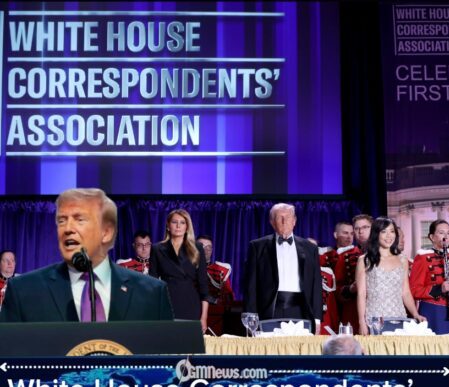
The White House Correspondents’ Dinner and Trump are once again at the centre of Washington’s political and media spotlight after organisers confirmed a rescheduled July event following a violent disruption earlier this year. The White House Correspondents’ Dinner and Trump developments have reignited debate over press safety, political rhetoric, and the increasingly volatile intersection of journalism and power.
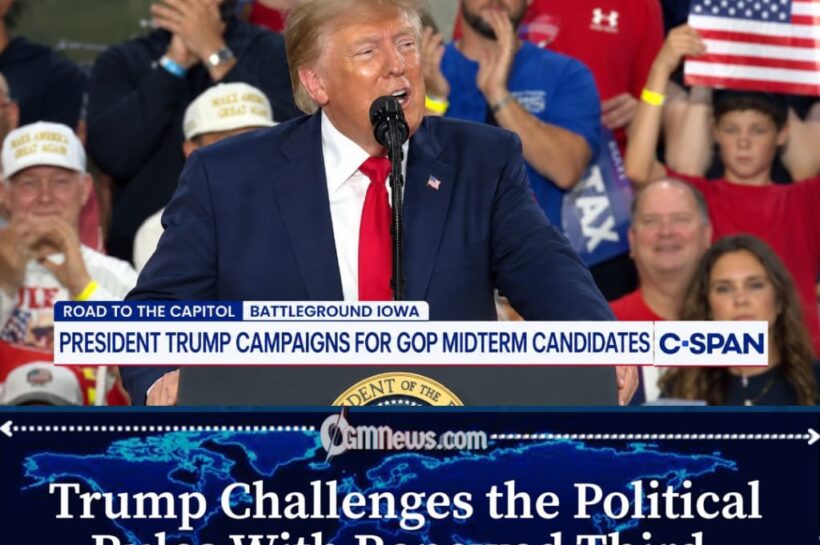
The announcement, made by Weijia Jiang, president of the White House Correspondents Association (WHCA), confirmed that the event will now take place on 24 July with enhanced security measures and revised access procedures. The White House Correspondents’ Dinner and Trump storyline gained further momentum after the president publicly confirmed his intention to attend and speak at the gathering.
White House Correspondents’ Dinner rescheduled for 24 July after security review
The White House Correspondents’ Dinner and Trump narrative began its current chapter after the original April event was disrupted by a shooting outside the Washington hotel ballroom, an incident that led to immediate safety reassessments. Organisers stated that the rescheduled dinner would be more intimate, reflecting both logistical caution and emotional sensitivity among attendees.
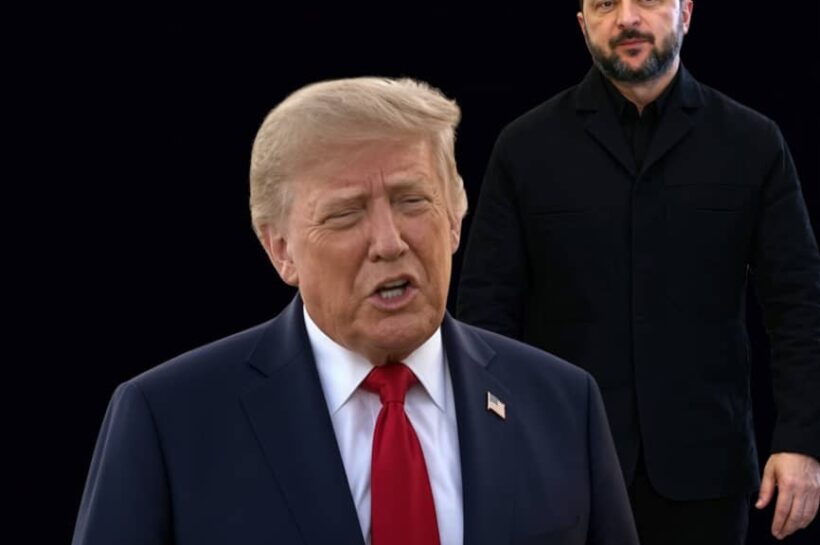
The White House Correspondents’ Dinner and Trump connection became more politically charged as officials confirmed that the gunman involved in the earlier incident was charged with attempting to assassinate Donald J. Trump, the current president. This development intensified scrutiny over how public institutions manage safety during high-profile political gatherings.
Trump’s planned speech at rescheduled dinner sparks political tension in Washington media circles
The White House Correspondents’ Dinner and Trump discourse has expanded beyond logistics into broader questions about press freedom, political expression, and the tone of national discourse. WHCA leadership emphasised that the rescheduling reflects a commitment to ensuring that violence does not define or derail democratic traditions.
The White House Correspondents’ Dinner and Trump debate has also been shaped by the president’s own remarks on social media, where he described the event as a “HOT ticket” while suggesting he may or may not repeat his typically sharp rhetoric. His comments have fuelled speculation about whether the dinner will lean toward reconciliation, confrontation, or political performance art.
Some observers note that discussions around venue selection, including speculation about a possible shift to a historically Trump-linked property, further blur the line between symbolism and strategy. Others argue that the heightened security measures reflect a broader reality: that public political events in the United States are increasingly shaped by concerns over safety as much as speech.
As July approaches, attention will remain fixed on whether the rescheduled gathering can restore its traditional role as a light-hearted press dinner or whether it becomes another flashpoint in an already tense political season.
Installed the 68winapp on my phone and gotta say, it's pretty smooth. Quick access to...