

























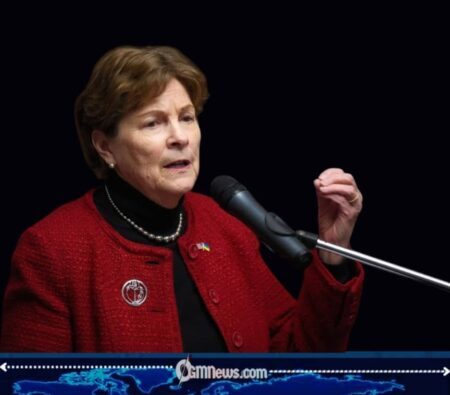
Greenland Crisis has emerged as a defining flashpoint in transatlantic politics after Senator Jeanne Shaheen warned that President Donald Trump’s continued push to acquire Greenland could undermine alliances that have taken decades to build. Her criticism has reignited debate over whether the administration’s Arctic ambitions represent a bold strategic vision or an avoidable diplomatic confrontation that could weaken trust among NATO partners. As tensions continue to simmer, the controversy has become about much more than an icy island in the North Atlantic.
Greenland Dispute Sparks Fresh Debate Over America’s Global Alliances
Senator Jeanne Shaheen argued that the Greenland Crisis was not merely a disagreement over territory but a challenge to the foundations of long-standing international partnerships. According to her criticism, repeated discussions about acquiring Greenland have strained relations with Denmark, a NATO ally that maintains sovereignty over the territory through the Kingdom of Denmark. The senator suggested that years of diplomatic cooperation could be jeopardized if allies perceive Washington as disregarding established norms and partnerships.
The controversy has persisted because Greenland occupies a strategically important position in the Arctic. President Trump and supporters of a stronger U.S. Arctic presence has argued that Greenland’s location is critical to security, military operations, and future competition in the region. However, critics contend that existing defense agreements already provide substantial American access and cooperation opportunities, raising questions about whether the diplomatic costs outweigh the potential strategic gains. Recent public statements from Danish and Greenland leaders have repeatedly emphasized that sovereignty remains non-negotiable.
Political Clash Over Greenland Puts International Relationships Under Scrutiny
Beyond the immediate political dispute, the Greenland Crisis highlights broader geopolitical concerns surrounding the Arctic. The region has become increasingly significant as global powers compete for influence, shipping routes, military positioning, and access to natural resources. Analysts note that Greenland Crisis’s importance has grown alongside concerns about Russian and Chinese activities in the Arctic, making the island a focal point of international strategic planning.
Recent developments have also revealed growing unease among some policymakers regarding the impact of the dispute on NATO cohesion. Reports and public commentary from officials and experts suggest that disagreements surrounding Greenland have fueled concerns about alliance unity and diplomatic trust. Some bipartisan voices in Washington have warned that pressure on allied territory could undermine the very relationships that form the backbone of Western security cooperation. Meanwhile, Denmark and Greenland have continued to insist that any future discussions must respect sovereignty while maintaining constructive dialogue with the United States.
The Greenland Crisis remains far from resolved. What began as a debate over a strategically valuable Arctic territory has evolved into a wider conversation about diplomacy, alliance management, and the balance between national ambition and international cooperation. OGM News will continue monitoring developments as policymakers, allies, and Arctic stakeholders navigate one of the most unusual geopolitical controversies of the current administration.


Installed the 68winapp on my phone and gotta say, it's pretty smooth. Quick access to...