




















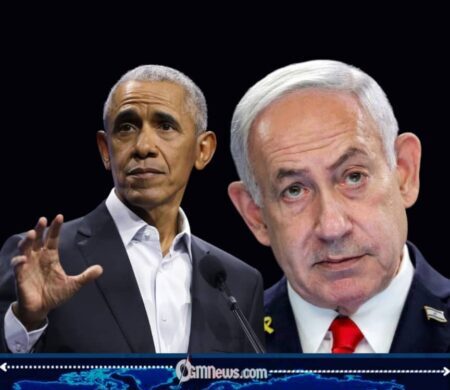
Former U.S. President Barack Obama has been widely reported to have reiterated longstanding concerns about Israeli Prime Minister Benjamin Netanyahu and his uncompromising position on Iran.
According to circulating accounts consistent with earlier policy debates, Obama underscored Netanyahu’s belief that only the complete dismantlement of Iran’s nuclear program would be acceptable, while criticizing the subsequent shift in U.S. policy under President Donald Trump, currently serving a second term.
The remarks while not fully verified in exact wording by major outlets reflect a broader and well-documented geopolitical divide over how to manage Iran’s nuclear ambitions. At the heart of the issue lies a fundamental disagreement between diplomacy and pressure, with implications that continue to shape Middle East policy.
Obama–Netanyahu Tensions: A Longstanding Strategic Divide
During his presidency, Barack Obama maintained a complex and often strained relationship with Benjamin Netanyahu. The central point of contention was Iran’s nuclear program, which Netanyahu consistently described as an existential threat to Israel.
Obama, by contrast, pursued a diplomatic approach aimed at limiting Iran’s nuclear capabilities through negotiation. This divergence led to public and private disagreements, including Netanyahu’s high-profile opposition to U.S.-led negotiations.
Despite these tensions, both leaders maintained formal diplomatic ties, reflecting the strategic importance of U.S.–Israel relations even amid policy disputes.
The Iran Nuclear Deal: Diplomacy Versus Dismantlement
The Joint Comprehensive Plan of Action became the defining issue in the Obama–Netanyahu relationship. The agreement sought to restrict Iran’s nuclear activities in exchange for sanctions relief, with international oversight mechanisms in place.
Netanyahu strongly opposed the deal, arguing that it failed to eliminate Iran’s nuclear capabilities entirely. He advocated instead for a strategy focused on complete dismantlement, reflecting a more hardline approach to regional security.
Obama defended the agreement as the most viable path to preventing nuclear proliferation, emphasizing verification and international cooperation as key components of the strategy.
Trump’s Policy Shift: Withdrawal and Renewed Pressure
A major turning point came when President Donald Trump withdrew the United States from the Iran nuclear agreement. This decision marked a clear departure from the previous administration’s approach and aligned more closely with Netanyahu’s position.
President Donald Trump argued that the deal was insufficient and sought to impose renewed pressure on Iran through sanctions and other measures. The move was supported by Israel’s leadership, which had long called for a tougher stance.
At the time of the withdrawal, international monitoring bodies, including the International Atomic Energy Agency, had reported that Iran was complying with key aspects of the agreement, adding complexity to the policy debate.
Intelligence Assessments and Policy Debate
U.S. intelligence agencies and international observers played a significant role in shaping the discourse around the Iran deal. Reports indicated that Iran was adhering to its commitments under the agreement, reinforcing the Obama administration’s argument that the deal was effective.
However, critics including Netanyahu and his allies argued that compliance did not address long-term risks or broader regional concerns. They contended that Iran’s capabilities could still pose a future threat, even under the constraints of the agreement.
This divergence highlights the broader challenge of balancing short-term verification with long-term strategic considerations in international agreements.
Interpreting Obama’s Reported Remarks
While the precise language attributed to Barack Obama in recent reports has not been fully confirmed by major news organizations, the themes align with his previously stated views. He has consistently emphasized the importance of diplomacy and expressed concern about abandoning negotiated frameworks.
Characterizations of Netanyahu’s worldview, though more subjective, reflect longstanding differences in perspective. Analysts often describe Netanyahu’s approach as security-driven and cautious, shaped by regional dynamics and historical experience.
The renewed attention to these remarks underscores how past policy debates continue to influence current geopolitical discussions.
Broader Implications for Middle East Policy
The debate over Iran policy remains central to Middle East geopolitics. Differences between diplomatic engagement and pressure-based strategies continue to shape international responses to regional challenges.
The interplay between U.S. administrations, Israeli leadership, and global institutions reflects the complexity of managing security concerns in a volatile region. Decisions made in Washington and Jerusalem have far-reaching implications for global stability.
As tensions persist, the legacy of past agreements and policy shifts continues to inform the choices facing current leaders.
Enduring Divides Shape Ongoing Policy Debates
The reported remarks attributed to Barack Obama highlight enduring divisions over how to address Iran’s nuclear ambitions. While the exact wording remains unverified, the underlying issues diplomacy versus dismantlement, cooperation versus pressure are well established.
President Donald Trump’s policy shift away from the Iran deal marked a significant turning point, reinforcing one side of this debate while intensifying global discussion. As policymakers navigate ongoing challenges, these differing approaches will continue to shape the trajectory of international relations.
[…] […]