

























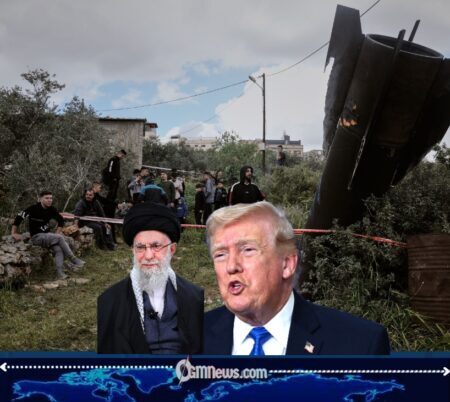
The administration of Donald Trump is pushing for a one-month ceasefire between the United States and Iran, unveiling a sweeping 15-point peace proposal aimed at halting hostilities and establishing a framework for long-term stability. The initiative comes amid mounting global concern over escalating tensions in the Middle East and rising economic pressures driven by disruptions to oil supply routes.
According to officials familiar with the discussions, the plan is designed as a diplomatic off-ramp from the ongoing conflict, combining strict demands on Iran’s military and nuclear capabilities with significant economic and political incentives. While negotiations remain fluid, the proposal signals a renewed effort by Washington to balance military pressure with high-stakes diplomacy.
Diplomatic Push for a Temporary Ceasefire
At the heart of the proposal is a 30-day ceasefire intended to create space for structured negotiations. Envoys, including Jared Kushner and Steve Witkoff, are reportedly working through diplomatic channels to secure agreement on a pause in hostilities, during which both sides would engage in formal talks.
The ceasefire proposal reflects growing urgency within Washington to de-escalate tensions that have threatened to spiral into a broader regional conflict. While the White House has not officially confirmed the plan, officials acknowledge that diplomatic options are being actively explored alongside ongoing military operations.
Key Elements of the 15-Point Peace Plan
The proposed framework outlines extensive requirements for Iran, particularly regarding its nuclear and missile programs. Central to the plan is the complete dismantling of Iran’s nuclear infrastructure, including key facilities and enriched uranium stockpiles, under the supervision of the International Atomic Energy Agency.
In addition, the proposal calls for Iran to halt uranium enrichment entirely, limit its missile capabilities, and sever ties with regional proxy groups. Another major component is ensuring that the Strait of Hormuz remains open as a secure and unrestricted maritime corridor, a critical factor for global energy markets.
Incentives Offered to Iran
In exchange for compliance, the plan offers substantial incentives aimed at reintegrating Iran into the global economic system. These include the full lifting of international sanctions and assistance in developing Iran’s civilian nuclear energy capabilities, particularly for electricity generation.
The proposal also includes the removal of the “snapback” sanctions mechanism, which has historically allowed for the rapid reimposition of penalties in the event of non-compliance. This element is seen as a significant concession designed to build trust and encourage Iranian participation in the agreement.
Regional Mediation and International Involvement
Diplomatic efforts have extended beyond Washington, with Pakistan reportedly acting as an intermediary by delivering the proposal to Iranian officials under a tight response deadline. This underscores the broader international dimension of the negotiations and the urgency attached to securing a resolution.
Meanwhile, Iranian political dynamics remain complex. Mohammad-Baqer Qalibaf has emerged as a key figure within Iran’s leadership structure, though he has publicly denied direct engagement with U.S. negotiators. Identifying a reliable counterpart remains a central challenge for the talks.
Economic Pressures and Oil Market Reactions
The conflict has had immediate repercussions for global energy markets, particularly due to Iran’s influence over the Strait of Hormuz, a vital النفط transit route. Concerns over supply disruptions had previously driven oil prices sharply higher, intensifying economic pressure worldwide.
However, news of the proposed peace plan prompted a noticeable market response, with global benchmark crude prices declining. Analysts interpret this as a sign that investors are cautiously optimistic about the possibility of de-escalation, even as uncertainty persists.
Military Posture Continues Amid Diplomacy
Despite diplomatic overtures, the United States has maintained a robust military posture in the region. A temporary halt to strikes on Iranian energy infrastructure has been announced, but broader operations remain ongoing under the directive of the administration.
There are also reports that additional U.S. forces, including thousands of paratroopers, could be deployed if necessary. This dual-track approach—combining negotiation with sustained military readiness—highlights the administration’s strategy of applying pressure while pursuing a negotiated settlement.
Uncertainty and Strategic Messaging
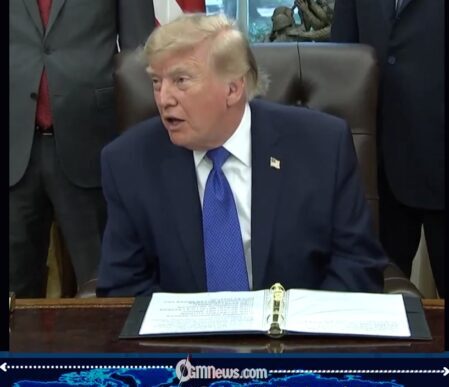
Public statements from the administration have added an element of ambiguity to the situation. President Trump has expressed optimism about Iran’s willingness to engage, suggesting that Tehran has signaled a commitment to abandoning nuclear weapons ambitions.
At the same time, officials have declined to confirm specific details of the peace proposal, emphasizing that discussions are ongoing. This measured communication strategy appears aimed at preserving negotiating flexibility while managing domestic and international expectations.
[…] […]