





























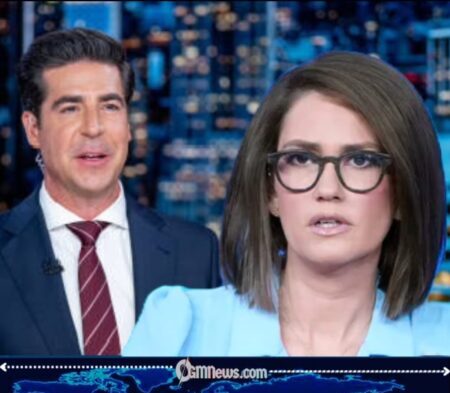
Jesse Watters at the center of renewed attention after a heated exchange over war-related commentary and historical military service references. The debate intensified when Watters made a remark about not dodging the draft, which prompted an immediate and pointed response from fellow commentator Jessica Tarlov.
The exchange quickly shifted from general policy discussion to personal and political comparisons, drawing additional attention due to a reference made to Donald Trump. The moment has since sparked broader conversation about tone, framing, and sensitivity in televised political debates.
Context of the Broadcast Discussion
The segment featuring Jesse Watters took place during a broader panel discussion focused on war concerns, national security rhetoric, and how public figures communicate about military issues. The conversation examined how political messaging shapes public perception of ongoing global conflicts.
Watters participated in the discussion alongside other commentators, contributing views on how war-related anxieties are often presented in media discourse. The conversation, however, shifted in tone when military service and draft-related references were introduced into the exchange.
The panel’s focus on rhetoric rather than policy specifics contributed to the escalation of tension among participants.
Watters’ Draft Comment Becomes Flashpoint
During the discussion, Jesse Watters stated, “I wasn’t dodging the draft,” a remark made in response to broader commentary about military expectations and public figures’ historical conduct.
The comment immediately became a focal point of the segment, drawing reactions from other panelists who interpreted it as a personal and politically loaded reference. While delivered in a conversational tone, it shifted the discussion toward historical comparisons and accountability narratives.
Observers noted that such remarks often amplify tension in televised debates, especially when tied to sensitive topics like military service.
Jessica Tarlov’s Immediate Rebuttal
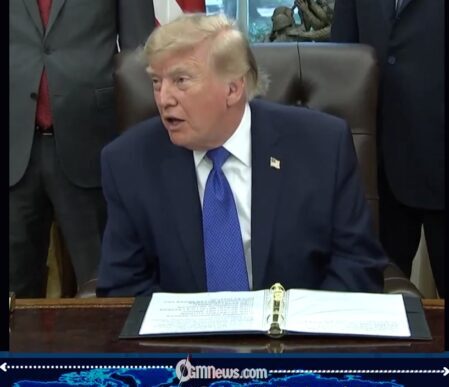
In response, Jessica Tarlov countered Watters’ remark with a pointed statement: “Unlike our president,” referencing Donald Trump.
Her response reframed the discussion by introducing a broader political comparison, shifting attention from individual commentary to national leadership history. The remark intensified the exchange and underscored the deeply polarized nature of the debate.
The moment quickly became one of the most discussed parts of the segment, with viewers and analysts focusing on its implications for political discourse.
Debate Over War Rhetoric and Media Framing
The exchange involving Jesse Watters highlighted ongoing disagreements over how war and military-related issues should be discussed in public forums. Some analysts argue that such conversations require careful framing to avoid oversimplification of complex geopolitical realities.
Others contend that televised political panels often blend policy discussion with personal and historical references, which can shift focus away from substantive debate. The interaction reflected this broader pattern of media-driven escalation.
The inclusion of military service references remains particularly sensitive in American political commentary, often triggering strong reactions across ideological lines.
Reactions and Media Interpretation
Following the exchange, commentators noted the significance of the back-and-forth between Jesse Watters and Jessica Tarlov, particularly given the introduction of Donald Trump into the discussion.
Media observers described the moment as another example of how quickly panel discussions can transition from policy debate to politically charged personal comparisons. The tone of the exchange has been widely analyzed in discussions about the evolving nature of cable news commentary.
Analysts also noted that such interactions often gain traction beyond the broadcast, shaping broader online discourse and partisan interpretations.
Jesse Watters Remains Central to Ongoing Debate Over Political Discourse
The exchange has reinforced Jesse Watters’ continued prominence in discussions surrounding political media and televised debate dynamics. His remarks, along with the response from Jessica Tarlov, have contributed to renewed scrutiny of tone and framing in public political conversations.
As references to Donald Trump and historical military service continue to surface in media exchanges, analysts expect similar debates to persist across political programming.
The incident underscores the increasingly fast-moving and confrontational nature of televised political discourse in contemporary media environments.


Casinoabc999? Good Site. The interface is sleek, and there is a lot of stuff to...