


























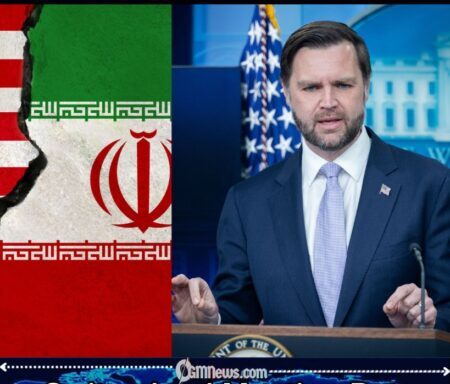
The future of U.S.-Iran Negotiations has entered a new phase of uncertainty after Vice President JD Vance canceled his planned trip to Switzerland, where American and Iranian officials were expected to begin the next round of technical discussions. What was intended to showcase diplomatic momentum has instead become a test of trust, with Tehran warning that any violation of the emerging agreement would result in an “even harder slap” for Washington. As both sides publicly insist diplomacy remains alive, the sudden disruption has left observers wondering whether the process is experiencing a temporary delay or an early crisis.
Diplomatic Uncertainty Based On Logical Issues
The latest developments emerged as preparations were underway for talks in Switzerland that were expected to translate a recently signed framework agreement into practical commitments. Reports indicate that U.S. officials described the postponement as a logistical issue, while acknowledging that plans had not been fully finalized. Swiss authorities subsequently confirmed that the scheduled talks would not proceed as originally planned.
The disruption quickly gained political significance after Iranian representatives signaled dissatisfaction with the pace and conditions surrounding implementation of the agreement. Tehran’s warning that Washington could face an “even harder slap” if commitments are violated reflects persistent mistrust between the two countries. Although both sides continue to speak about negotiations rather than confrontation, the language underscores how fragile the diplomatic environment remains.
Regional PressuresOn Recent Security Breach
The delay did not occur in isolation. Recent tensions across the Middle East, particularly developments involving Lebanon and ongoing disputes over ceasefire arrangements, have complicated the atmosphere surrounding the talks. Multiple reports suggest that Iranian officials were already expressing hesitation about participation, arguing that broader regional concerns needed to be addressed before further negotiations could move ahead.
The broader context is especially important because the emerging agreement is intended to address more than a single dispute. Negotiators are expected to tackle sensitive issues ranging from nuclear oversight and enriched uranium stockpiles to regional security arrangements and maritime stability. Supporters of the process argue that even a temporary pause is preferable to a complete breakdown. Critics, meanwhile, view the postponement as evidence that the agreement remains politically vulnerable despite recent progress and public commitments from both sides.
The coming days may reveal whether this setback represents a routine diplomatic delay or a warning sign of deeper disagreements. For now, U.S.-Iran Negotiations remain officially alive but visibly strained. OGM News will continue monitoring developments as negotiators attempt to transform cautious promises into lasting agreements, while the world watches to see whether diplomacy can withstand the pressure of regional politics and mutual suspicion.

[…] […]