





























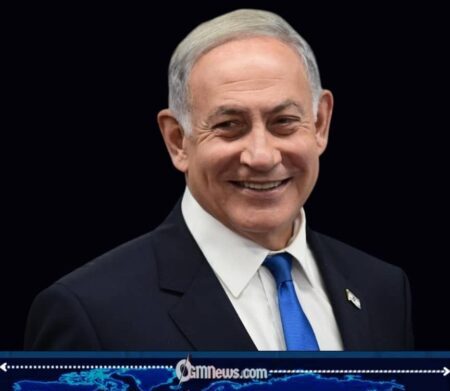
Peace Deal diplomacy is facing one of its most delicate tests yet after reports emerged that US intelligence agencies have warned the Trump administration that Israeli Prime Minister Benjamin Netanyahu may pursue actions capable of undermining efforts to secure a lasting agreement with Iran. The warning arrives at a moment when regional tensions remain elevated, alliances are being tested, and even America’s closest partners appear divided over how to achieve long-term stability in the Middle East.
The reported assessment has intensified scrutiny over whether military calculations and diplomatic ambitions can coexist. While negotiations are designed to reduce tensions, intelligence officials reportedly fear that developments on the ground could quickly alter the political landscape and place the future of the Peace Deal in jeopardy.
PEACE DEAL CALCULATIONS
According to the reported intelligence assessment, officials within the Trump administration have been alerted to the possibility that Netanyahu could support or authorize actions that may complicate ongoing diplomatic efforts with Iran. Concerns reportedly center on the potential for military operations or strategic moves that could reignite regional tensions at a time when negotiators are seeking de-escalation.
The warning reflects a broader challenge that has existed for years in US-Israel relations. While both governments generally share concerns regarding Iran’s regional activities and security posture, they have not always agreed on the best method of addressing them. The current situation highlights the difficult balance between deterrence, diplomacy, and alliance management as Washington attempts to advance its Peace Deal objectives.
NETANYAHU AND REGIONAL STRATEGY
Netanyahu has long positioned himself as one of the strongest international critics of Iranian influence in the Middle East. Throughout his political career, he has argued that Iran’s nuclear ambitions, regional alliances, and support for armed groups represent significant security threats to Israel. These views have shaped Israeli policy across multiple administrations and continue to influence strategic decision-making today.
Recent regional developments have further complicated matters. Military exchanges involving Hezbollah in Lebanon, ongoing security concerns in Syria, and broader instability across the region have reinforced fears that a single escalation could trigger wider consequences. Analysts note that any significant military action occurring during sensitive diplomatic negotiations could increase political pressure on all parties involved and potentially weaken confidence in the Peace Deal process. At the same time, supporters of diplomacy argue that reducing tensions through negotiations remains the most effective path toward avoiding a broader regional conflict.
The coming weeks may reveal whether diplomacy or confrontation gains the upper hand. For now, the intelligence warning serves as a reminder that Middle East politics rarely move in a straight line. OGM News will continue monitoring developments surrounding the Peace Deal, Netanyahu, and the broader regional dynamics that could shape the next chapter of this unfolding story.



Casinoabc999? Good Site. The interface is sleek, and there is a lot of stuff to...