




















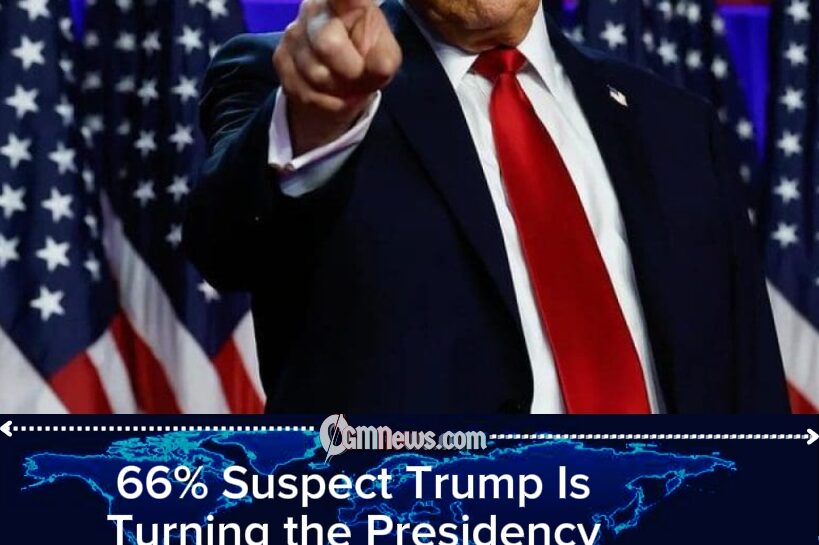




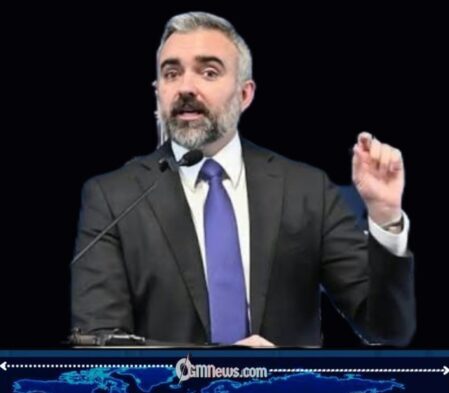
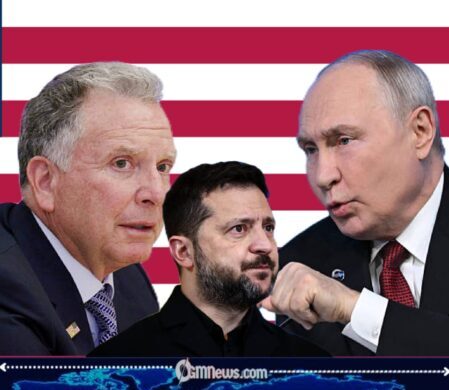
Sen. Richard Blumenthal has sharply condemned President Donald J. Trump’s decision to describe Russian President Vladimir Putin as his “great friend,” arguing that such language is difficult to reconcile with Russia’s continuing war in Ukraine. Blumenthal called Putin a war criminal and said he was shocked to hear the American president speak of the Russian leader in such friendly terms.
The clash highlights a familiar fault line in Trump’s foreign-policy approach: the president has repeatedly emphasized personal relationships with foreign leaders, while critics argue that diplomacy cannot be separated from the actions of the governments those leaders control. With the war in Ukraine continuing, even a simple word like “friend” can apparently produce enough political fireworks to illuminate Capitol Hill.
Blumenthal Questions Trump’s Unusual Choice of Words
Blumenthal’s criticism focused particularly on Trump’s description of Putin as a “great friend.” The senator argued that Putin’s conduct in Ukraine makes such a warm characterization inappropriate, pointing to the continuing deaths and destruction caused by the war.
The senator’s reaction also reflects the wider debate over how Washington should deal with Moscow. For critics of Trump’s approach, personal diplomacy with Putin must be balanced against accountability for Russia’s military actions. In Washington’s increasingly complicated diplomatic dictionary, apparently “friend” can now require several pages of footnotes.
The War in Ukraine Keeps the Dispute in Sharp Focus
Blumenthal’s comments came against the backdrop of continued fighting in Ukraine and wider international efforts to find a path toward peace. Trump has repeatedly presented his relationships with world leaders as potentially useful tools for diplomacy, while critics remain skeptical that personal rapport can produce meaningful concessions from Moscow.
That disagreement has made Trump’s language about Putin particularly politically sensitive. Supporters can interpret friendly rhetoric as a negotiating strategy, while opponents see it as an unnecessary concession to a leader they regard as responsible for serious violations connected to the war. The same handshake, in other words, can apparently look like diplomacy to one person and a diplomatic headache to another.
Blumenthal’s criticism ensures that Trump’s description of Putin will remain part of the broader argument over America’s role in the Ukraine war and its relationship with Russia. Whether Trump’s personal diplomacy ultimately produces meaningful results remains an open question, and OGM News will continue following the developments, the negotiations and the political reactions surrounding this increasingly consequential relationship.
Navigating through slot games used to feel overwhelming but this login portal makes everything so...