







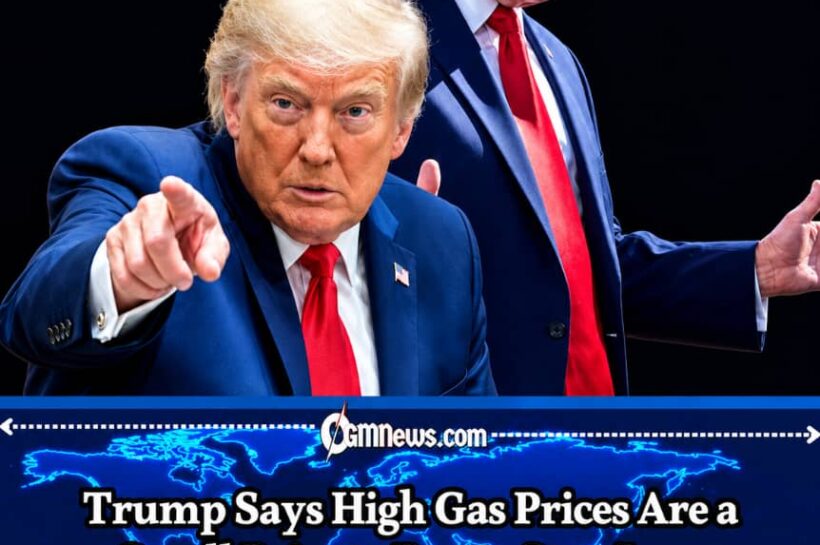
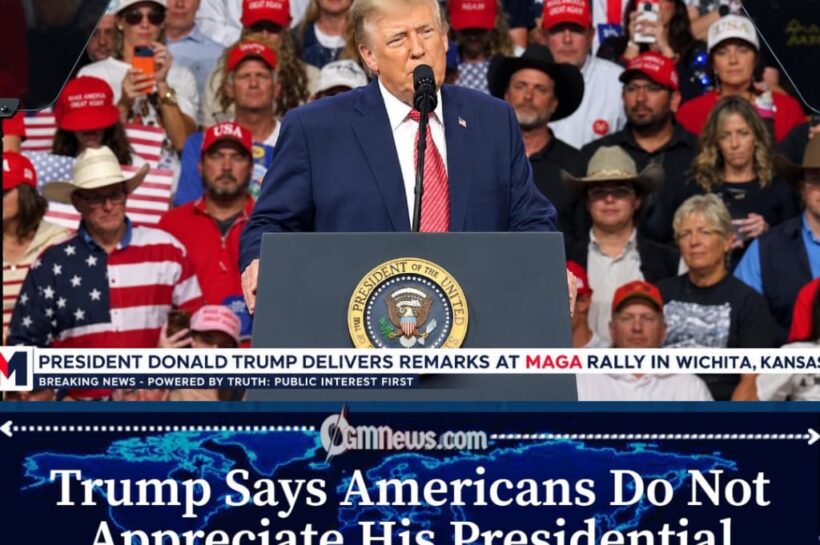
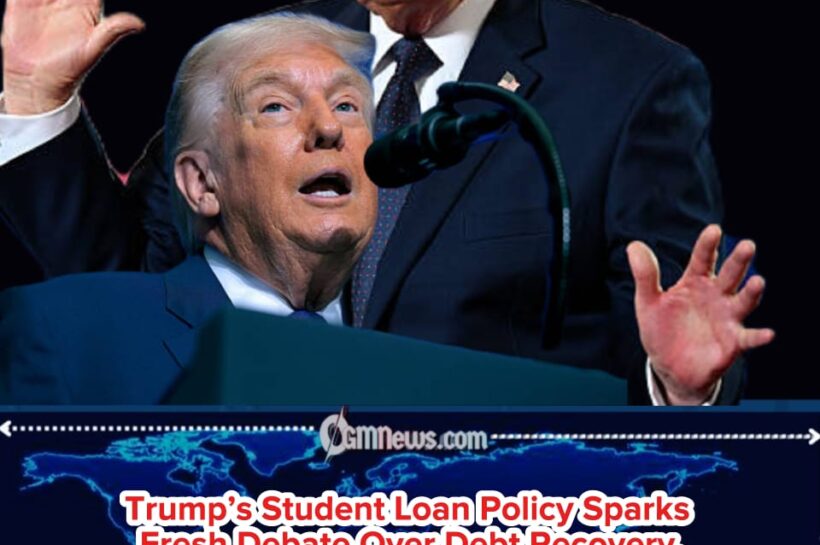
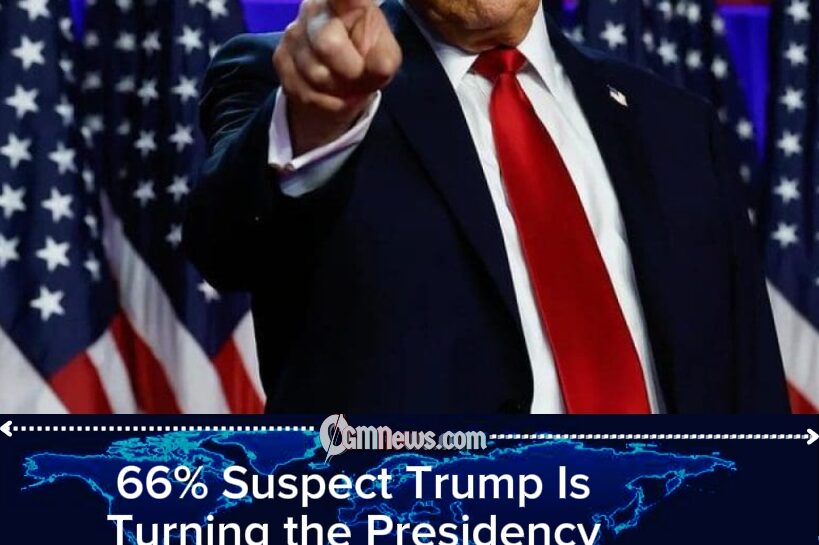




Voting Pledge took an extraordinary turn Thursday night when President Donald Trump asked thousands of supporters at the Republican midterm convention in Dallas to raise their right hands and promise to vote on November 3. Trump framed the pledge around personal loyalty to him before adding a controversial joke about voting regardless of registration status and “cheating like hell.”
The remark came during the final night of the Republican Party’s first midterm convention, where Trump was aggressively campaigning for Republican control of Congress. The president has repeatedly warned his supporters that Democrats regaining power would threaten his agenda, while urging them to deliver a strong Republican turnout in November.
Trump’s Voting Pledge
Voting Pledge became almost theatrical as Trump instructed the audience to raise their right hands and repeat a declaration promising that they, their families and their friends would vote on November 3. Trump described himself as “the greatest president in the history of the United States” before asking supporters to make the commitment.
Trump then added the line about not caring whether he was registered and “cheating like hell,” prompting laughter and cheers from supporters. He was joking about what he characterized as Democratic behavior, rather than issuing a literal directive to commit election fraud, but the language immediately drew attention because voter registration and election procedures are governed by law.
A Campaign Rally Wrapped in a Voting Pledge
The episode underscored how closely Trump continues to link Republican electoral success to personal loyalty. Instead of simply asking supporters to participate in the midterms, he made them publicly pledge their votes to a president who is not himself on the November ballot.
The pledge also came against the backdrop of Trump’s broader midterm campaign. At the same convention, he promoted his proposal for a $5,000 payment to American adults if Republicans retain control of Congress, giving the gathering a mixture of policy promises, partisan warnings and direct voter mobilization.
Trump’s rhetoric around voting has long been politically charged, particularly after his false claims about the 2020 election and his continuing attacks on election procedures. The latest episode is therefore likely to attract scrutiny even if supporters understood the “cheat like hell” language as a joke.
For Republicans, the practical message was unmistakable: turn out. For critics, however, asking supporters to pledge personal loyalty to Trump and then joking about cheating during a voting appeal provides another example of how the president blends political entertainment with increasingly provocative election rhetoric.

Navigating through slot games used to feel overwhelming but this login portal makes everything so...