
























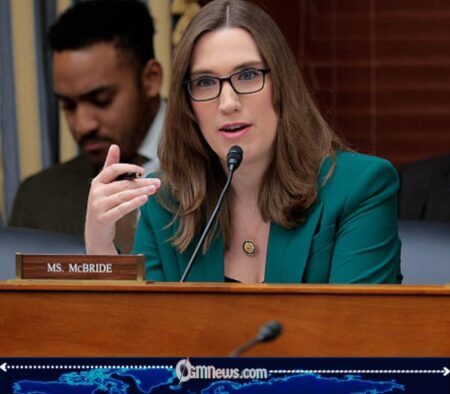
U.S. Congresswoman Sarah McBride has become a central voice in a growing national debate over proposed spending linked to a White House ballroom project. Her comments have drawn attention to the tension between government expenditure on large-scale official facilities and the financial pressures facing American households.
McBride’s remarks come at a time when discussions about inflation, household affordability, and public spending are shaping political discourse in Washington. She has positioned her criticism as a call for policymakers to prioritize economic relief measures over high-cost infrastructure projects tied to executive functions.
Sarah McBride Questions Government Spending Priorities
Sarah McBride has argued that major public spending initiatives should be evaluated against the immediate needs of citizens, particularly those struggling with basic living expenses. She expressed concern that large-scale renovation or luxury-oriented projects risk sending the wrong message during a period of economic strain.
Her comments specifically referenced the perception that federal resources could be directed toward improving affordability for families rather than non-essential governmental enhancements. Supporters of McBride’s position say her stance reflects growing frustration among working-class households.
Sarah McBride Highlights Cost-of-Living Pressures
A key focus of Sarah McBride’s criticism is the rising cost of essential goods and services, including groceries, housing, and utilities. She argues that many families continue to face financial difficulties despite broader economic indicators suggesting stability in some sectors.
Economists have noted that inflation has moderated in certain areas but remains persistent in everyday household expenses. These conditions have fueled political debate over whether current federal policies under President Donald Trump are adequately addressing the needs of average Americans.
Sarah McBride and Political Reactions in Washington
The remarks by McBride have prompted responses from lawmakers across party lines. Some Republican figures, including Senator Lindsey Graham, have previously supported the idea of investing in upgrades to federal facilities, arguing that such projects are part of long-term institutional maintenance.
However, critics of the proposal argue that government spending should be more tightly aligned with economic relief efforts. The differing perspectives highlight ongoing divisions in Congress over fiscal priorities and public accountability.
Sarah McBride and the Debate Over Public Priorities
McBride’s intervention has intensified a broader debate about how government resources should be allocated during periods of economic pressure. Analysts note that symbolic projects, such as high-profile renovations, often become focal points in wider discussions about fairness and governance.
Her comments reflect a growing expectation among some voters that elected officials should prioritize visible economic relief over ceremonial or aesthetic government projects. This debate continues to shape public discourse in Washington.
Sarah McBride and Public Response to the Controversy
Public reaction to McBride’s criticism has been mixed, with many citizens expressing support for her emphasis on everyday affordability challenges. Social discussions have highlighted concerns about the gap between political decision-making and household realities.
At the same time, some observers caution that debates over symbolic spending can oversimplify complex budgetary processes. As discussions continue, McBride remains a prominent voice in calls for greater focus on cost-of-living issues within national policy priorities.

[…] […]